
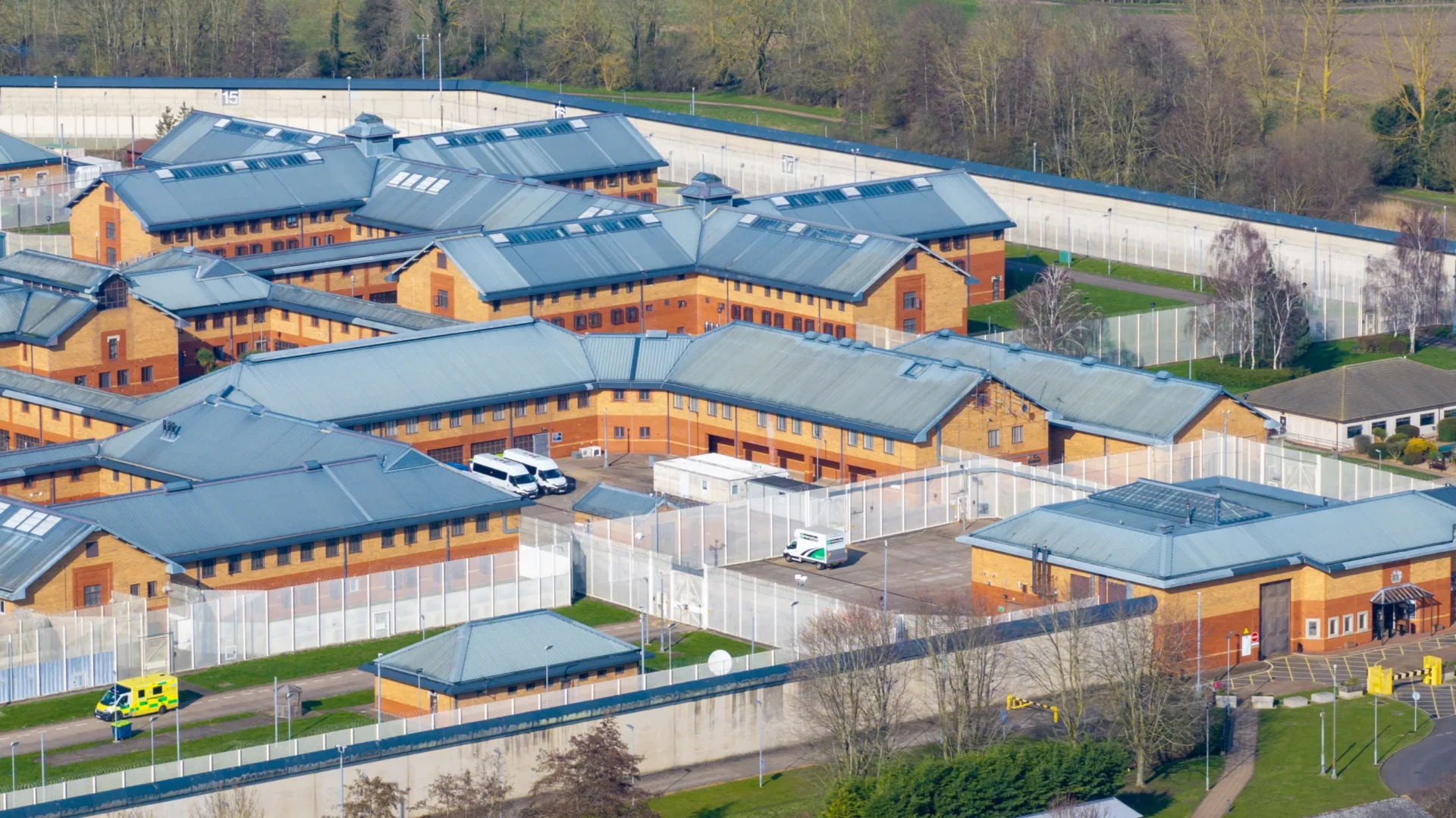
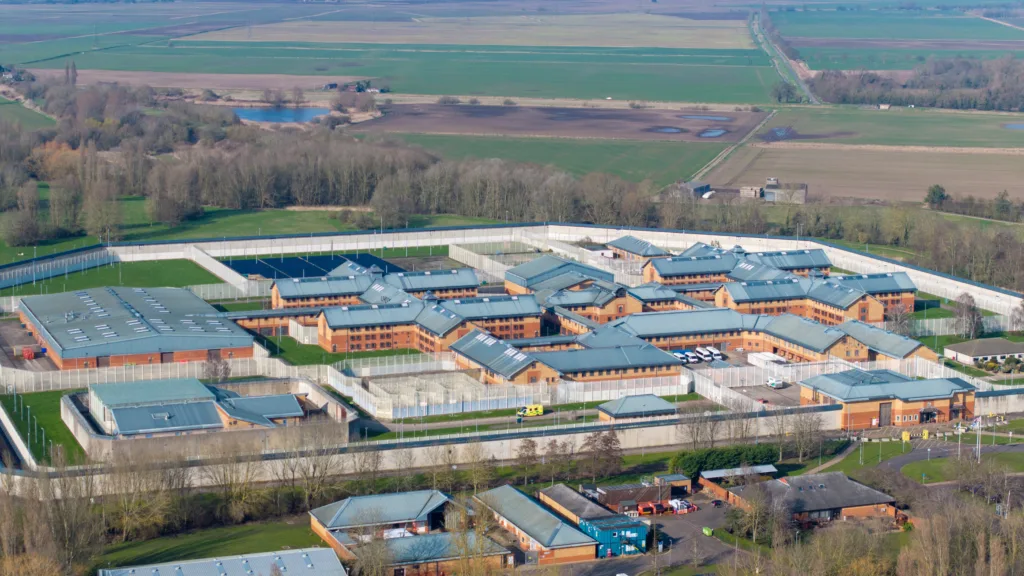
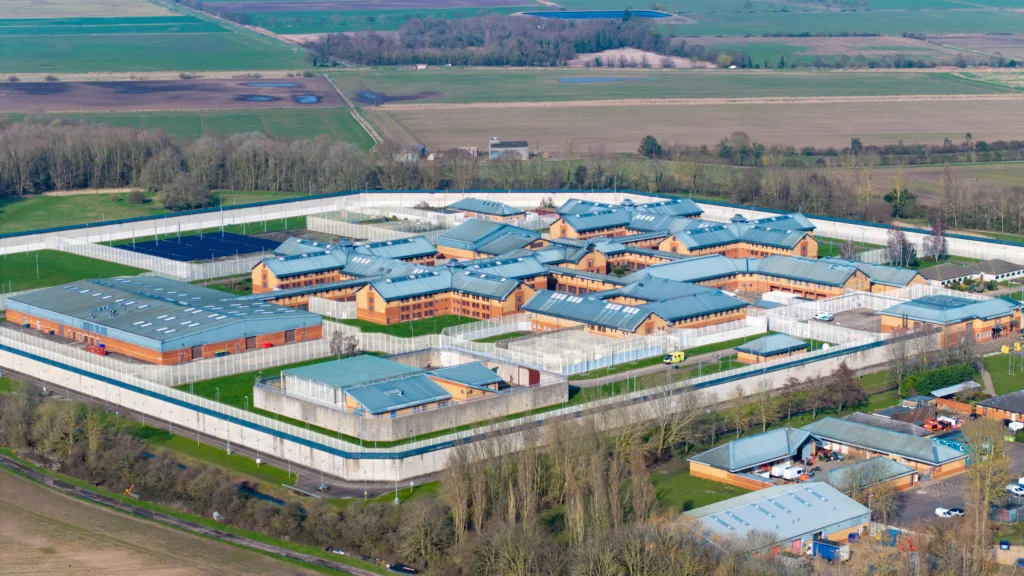
HMP Whitemoor, one of Britain’s most notorious high-security prisons, has been rocked by an inspection report revealing a “staggering” use of PAVA incapacitant spray—outstripping all other top-security jails put together.
Inspectors entered the Cambridgeshire fortress for a surprise check and found prisoners locked in their cells for hours, staff shortages biting hard, and a regime so poor that even basic education and hospital visits are falling apart.
The findings are contained in an unannounced inspection of HMP Whitemoor by HM Chief Inspector of Prisons 13–23 October 2025
PAVA panic: “Almost as high as all other prisons combined!”
The most jaw-dropping revelation? Whitemoor’s guards blasted prisoners with PAVA spray—a powerful pepper-based weapon—32 times in just one year. That’s nearly as many as the other four high-security prisons combined, which clocked up just 36 uses between them.

Inspectors thundered: “The use of PAVA was almost as high as at the other four prisons combined.”
“Managers had not identified that it was such an outlier… a missed opportunity to explore wider issues, such as staff confidence and culture, more robustly.”
Lockdown misery: “Too many prisoners locked up all day”
It’s not just the pepper spray that’s flying. The report exposes a daily life of frustration and boredom for Whitemoor’s 455 inmates. With staff off sick or simply not enough on shift, prisoners are left languishing in their cells—sometimes for most of the day.
Inspectors found only 36% of prisoners doing any kind of purposeful activity, while a shocking 39% were locked up during core working hours. “Too many prisoners were locked up during the working day,” the report blasts.
Staffing crisis: “Critical work not delivered”
The prison’s regime is well below what’s expected with education, skills training, and even hospital appointments cancelled or delayed. “Critical work… was not delivered consistently,” inspectors warn, blaming “staffing shortfalls and high absence levels across all grades”.
Dirty secrets: “Little accountability” for cleanliness
It gets worse. Inspectors found filthy communal areas, dirty cleaning cupboards, and a lack of motivation among staff to enforce basic hygiene. “There was little accountability, and staff lacked the motivation to enforce good standards,” the report says.
Leadership praised—but systemic problems remain
Despite the chaos, the governor and deputy governor were praised for being “visible and approachable,” with a clear vision for improvement. But even strong leadership can’t paper over the cracks of a system stretched to breaking point.
Prisoners speak out: “No point in complaining”
Prisoners told inspectors they had “little confidence” in the complaints system, with many feeling ignored or let down. “There was no discernible benefit to being on an ACCT [suicide prevention plan], other than staff periodically looking through the door flap at them,” one prisoner said

The bottom line
Whitemoor is a prison under pressure. While inspectors found some improvements in safety and respect, the shocking use of PAVA spray, dire regime, and staff shortages paint a picture of a jail teetering on the edge.
As the report bluntly concludes: “Whitemoor was an improved prison, doing a difficult job reasonably well. We leave the jail with a number of priorities and concerns that we have identified and which we hope will assist further improvements.”
FOOTNOTE – MORE COMMENTARY FROM THE REPORT:
Located in March, Cambridgeshire, Whitemoor is a high-security prison for category A and B adult male prisoners. Nearly all were serving sentences exceeding ten years, with over three-quarters serving an indeterminate sentence.
A significant number of individuals, some 80%, were assessed as presenting a very high risk of serious harm, and at the time of the inspection, of the 455 men being held, over a third were category A status, evidencing the very great risk and complexity being managed by the prison.
Overall, inspectors found it to be “a positive and encouraging inspection. In particular, outcomes when assessed against our healthy prison test, safety, were found to be ‘good’, whilst in our tests, respect and preparation for release, they were assessed as ‘reasonably good’.
“In all three tests, this marked an improvement on the assessments we made when we last inspected in 2022. Only in purposeful activity (PA) was there no improvement, outcomes being again assessed as ‘poor’.
“The daily routine and regime were found to be inadequate, primarily, we were told, due to staffing shortfalls and a high level of absence across all grades.”
“This had resulted in critical work – including education, skills provision, hospital appointments, and suspicion drug testing – not being delivered consistently. These issues were also symptomatic of wider systemic challenges, including recruitment and retention difficulties, which were forecast to worsen in the coming months.
“Compounding this inconsistency in delivery, there were insufficient activity spaces in education, skills, and work to meet the needs of the population, while for those who had actually been allocated, attendance remained low. As a consequence, we found that too many prisoners were locked up during the working day.
“The inspection also identified other concerns. For example, while the rate of use of force at Whitemoor was below average among dispersal prisons, the use of PAVA was disproportionately high compared to other similar establishments.
“Standards of cleanliness were inconsistent, with little accountability and motivation among staff to enforce good practice.
“Waiting times for external health appointments were too long, and often cancelled due to a lack of officer escorts, and there were significant delays in transferring patients to secure hospital beds under the Mental Health Act.
“Despite these challenges, we observed much that was positive in the prison. The governor and deputy governor were visible and approachable, demonstrating a clear understanding of the prison’s strengths and weaknesses and a commitment to improving the culture and delivering their vision for Whitemoor.
“Progress has been made in developing staff skills and supporting well-being, with investments in training, coaching, and mentoring. Strong leadership in safety and offender management was evident, and effective.”