

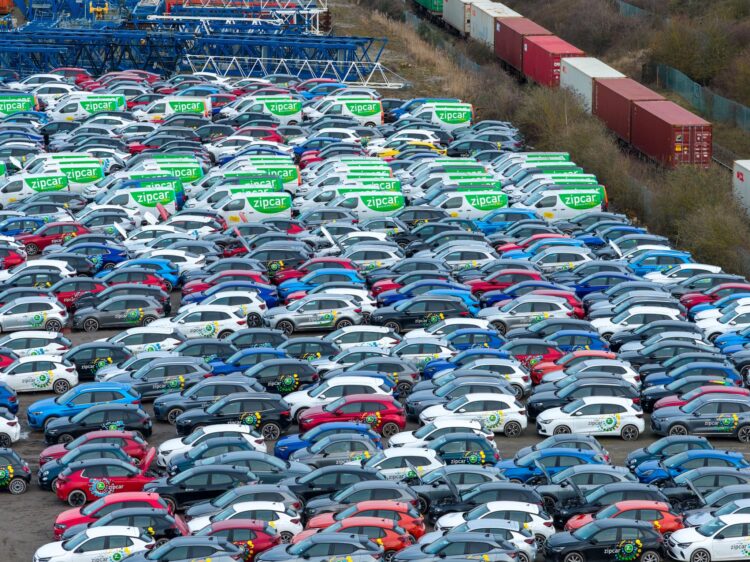
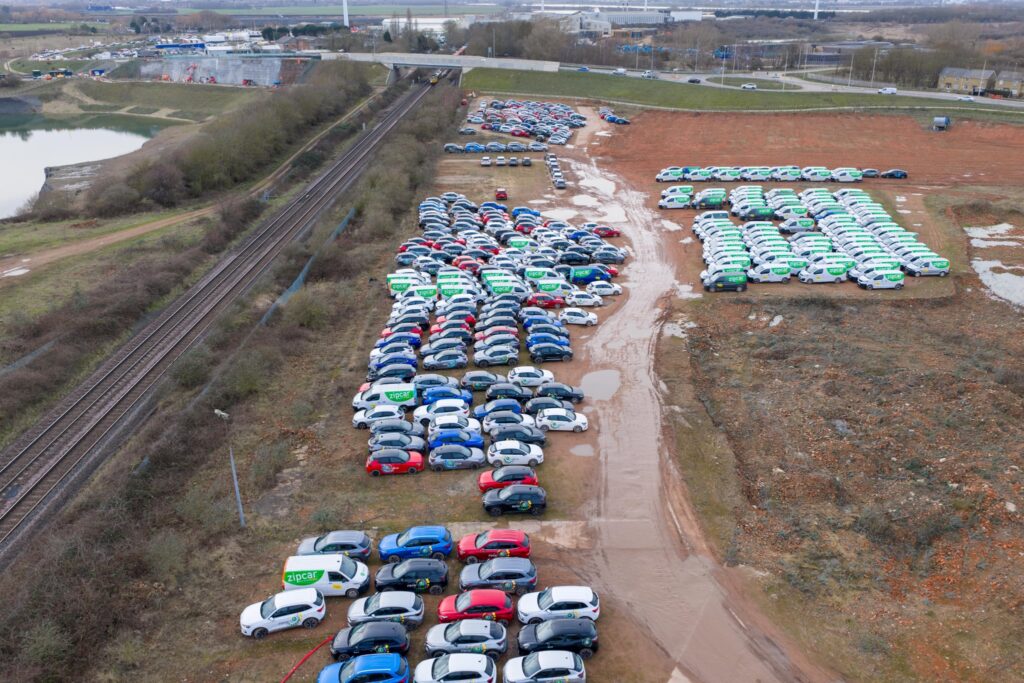
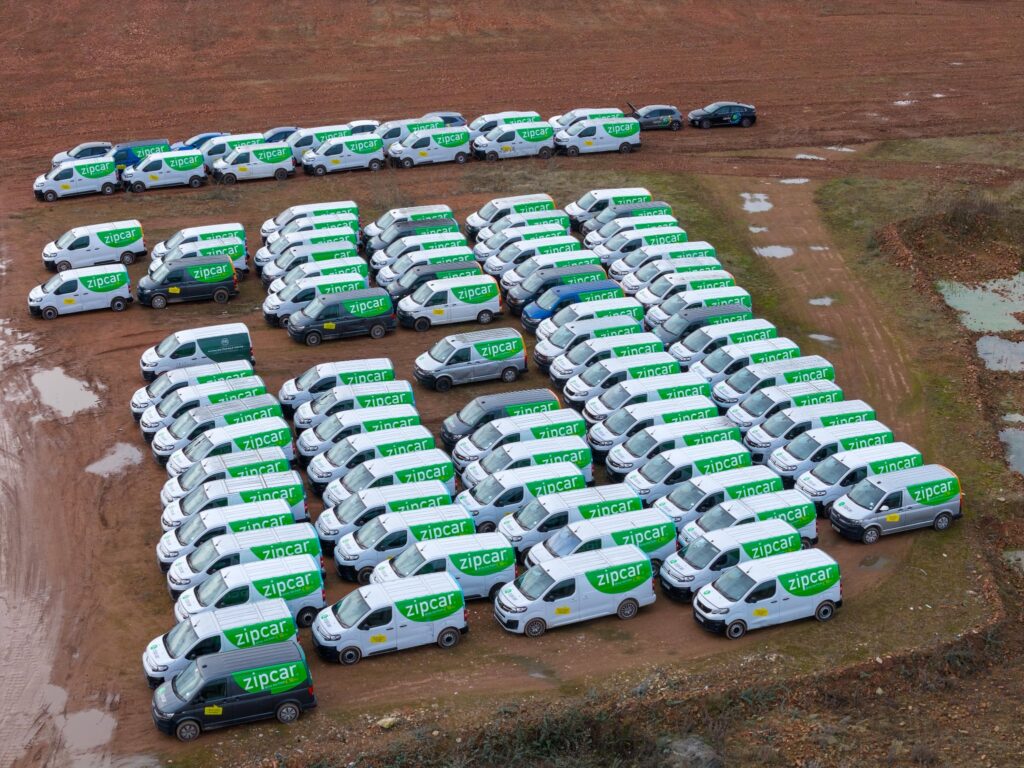
Large numbers of Zipcar vehicles – including electric cars and vans – have been spotted parked in a field at Whittlesey, raising questions about what will happen to the company’s UK fleet following its decision to shut down nationwide.
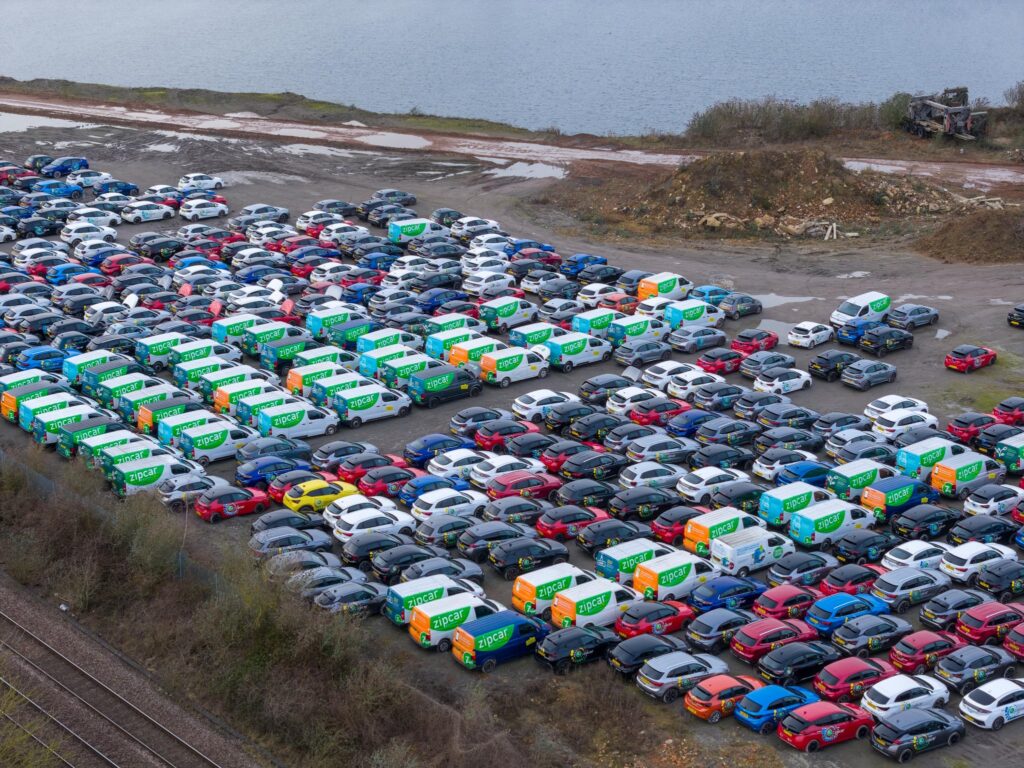
Motorists travelling along the A605 have reported seeing row after row of vehicles stored in the open, with aerial photographs showing what appears to be a substantial holding area for Zipcar-branded cars and vans.
The sight comes just weeks after Zipcar confirmed it will cease operating in the UK, ending more than 15 years of service in London and other cities.
Vehicles lined up in rural Cambridgeshire
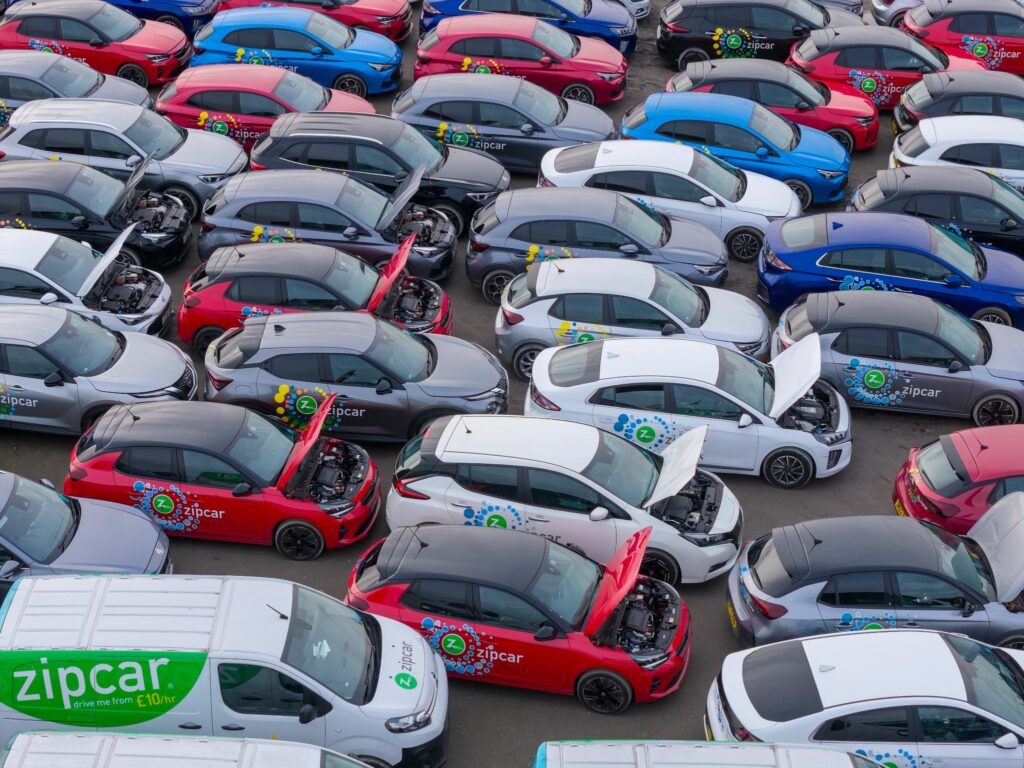
Residents say the scale of the storage site is striking, with what looks like hundreds of vehicles gathered together. Many appear to be electric models, reflecting Zipcar’s push in recent years to modernise its fleet as part of the shift toward low-emission transport.

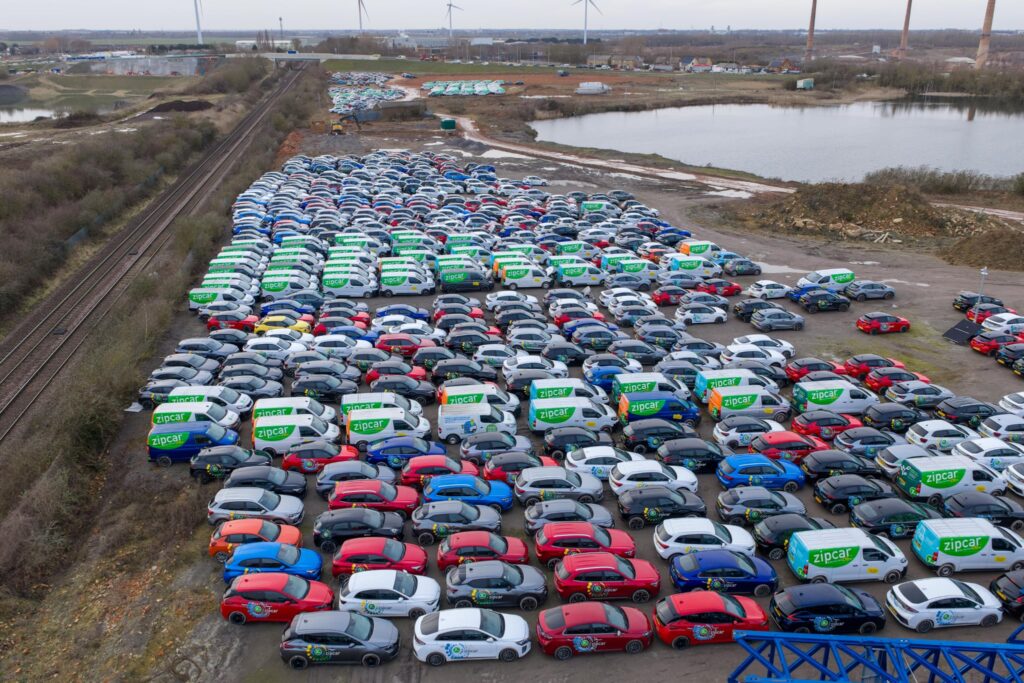
The location, close to major road links, has led to speculation that the Whittlesey field could be acting as a temporary staging post as the company prepares to dispose of or relocate vehicles following the closure.
Zipcar has not confirmed why the vehicles are being held at the site, but industry analysts say large fleets often require significant logistics planning during a shutdown.
Zipcar confirms end of UK operations
On its website, Zipcar issued a formal notice to members confirming the decision to terminate all UK memberships.
The statement reads: “After operating in London for over 15 years, the decision has been made to cease operation of Zipcar UK, and all memberships are hereby terminated in accordance with the existing Zipcar UK membership terms.”
The company said customers will no longer be able to make bookings, and prepaid membership fees beyond 31 December 2025 will be refunded automatically. Members had access to their accounts until 16 February 2026.
Zipcar added: “On behalf of all of the Zipcar UK team, we want to extend our sincere thanks to our members who have entrusted us with their business over the years.”
Rising costs and financial pressures
The closure follows mounting challenges in the UK car-club sector. Zipcar’s parent company, Avis Budget, has described the move as part of a strategy to “streamline operations, improve returns, and position the company for long-term sustainability and growth.”
A BBC business report in December 2025 noted Zipcar had around 650,000 members nationwide, making it the UK’s largest car-sharing operator.
However, company accounts showed revenues fell from £53m to £47m in 2024, while losses widened to £11.6m after tax.

Zipcar blamed the cost-of-living crisis, rising energy costs for charging electric fleets, and increasing operational expenses in major cities.
Industry observers have also pointed to looming changes in London’s congestion charging rules, with electric vehicles due to be included from late 2025 – adding further cost burdens.
Wider struggles for car clubs
The Financial Times reported that Zipcar’s difficulties reflect a broader problem for the car-sharing model across Europe, with operators facing high fixed leasing costs, rising insurance premiums, and stiff competition from e-bikes, scooters and ride-hailing apps.
Other schemes, such as ShareNow, have already withdrawn from several major cities in recent years.
Transport charity Collaborative Mobility UK has also reported fewer and shorter car-club trips in 2024 compared with the previous year, suggesting demand patterns are shifting.
What happens next?
With Zipcar’s UK fleet now effectively redundant, questions remain over what will happen to thousands of vehicles.
Experts say options could include resale into the second-hand market, transfer to other Avis operations, or redistribution abroad.
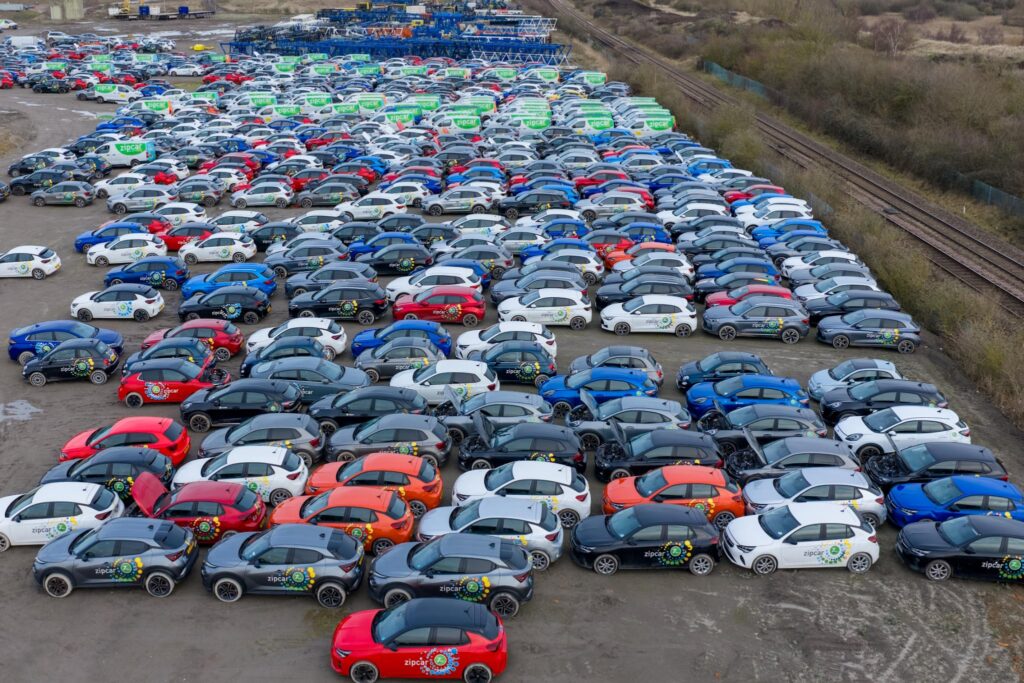
The Whittlesey storage site may offer a clue as the company quietly manages the final stages of its exit.
For now, the rows of Zipcars sitting idle in rural Cambridgeshire stand as a visible symbol of a major shift in Britain’s shared mobility landscape.
EXPLAINER
Car clubs are services that let people rent cars or vans by the hour or day, usually through an app. Instead of owning a vehicle, members can book one nearby, unlock it digitally, and pay only for the time (and sometimes distance) they use.
Insurance, maintenance, and fuel or charging are often included in the price, making car clubs a convenient option for occasional drivers.
They are popular in cities where parking is expensive, and many residents don’t need a car every day. Car clubs can help reduce congestion and emissions by encouraging fewer privately owned vehicles on the road while still giving people flexible access to transport when needed.