
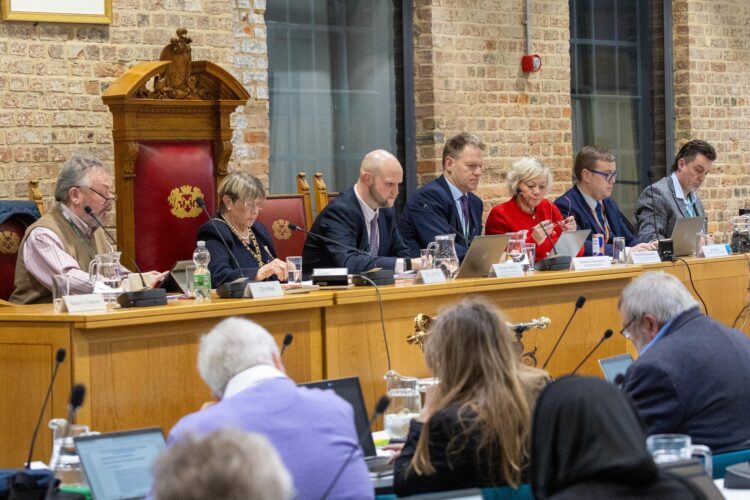
As Peterborough City Council prepares to sign off its budget and medium-term financial strategy for 2026–2029, the message from the Town Hall is stark: the books may be balanced, but the risks have not gone away.
After years of turbulence, government intervention and deep savings programmes, councillors are promising a reset. The new strategy rests on three pillars — Reset, Rebuild and Redesign — and aims to stabilise the city’s finances while reshaping services for a fast-growing population.
The report on the coming year’s budget will be presented to full council on Wednesday 25th February.
Behind the rhetoric lies a sobering reality: low reserves, high debt and mounting pressure in social care, housing and special educational needs.
From crisis to cautious recovery

The council’s financial troubles have been well documented. In December 2022, an Independent Improvement and Assurance Panel was appointed to oversee governance and spending. Its work concluded in March 2025, after reforms that included restructuring services, reviewing capital assets, bringing contracts back in-house and delivering annual savings of £15–20m.
Yet the scars remain.
Core Spending Power for 2025/26 stood at £1,016 per head — significantly below comparable councils — leaving Peterborough between £24m and £48m worse off than average.

“Years of underfunding has had a detrimental impact on the council’s ability to deliver quality services and meet local need,” the report states.
A £7m warning light
Although the 2025/26 budget was technically balanced, a robustness statement flagged “a significant level of risk” and warned reserves were falling to insufficient levels.
By November 2025, a £7m overspend was forecast.
The main drivers? Soaring demand for children’s placements, reduced income at Clare Lodge, and rising capital financing costs. The council responded with tighter recruitment controls, spending boards and an urgent hunt for grants and efficiencies.
Even so, the General Fund balance could fall to around £4m — a dangerously thin cushion for an authority managing £257m in net expenditure.
An application for Exceptional Financial Support has been submitted to the Ministry of Housing, Communities and Local Government. Even if approved, the report admits reserves would “still remain insufficient” given the risks.
Fairer funding — finally?
There is, however, a shaft of light.
The Government’s Fairer Funding Review promises a significant uplift by better reflecting deprivation, demand and local costs. December’s provisional settlement confirmed Peterborough will see one of the largest increases in Core Spending Power over the next three years.
The review “would significantly improve the council’s financial outlook by the end of the settlement period,” the report states.
For years, leaders have argued that if funding had matched the national average, services in Peterborough would look very different.
Now, at least on paper, that gap begins to close.
Where the money goes
The draft 2026/27 budget sets total net revenue expenditure at £257.7m — fully funded, with no planned deficit.
Major spending areas include:
- Children and Young People: £66.9m
- Adult Social Care: £83.3m
- Place & Economy: £27.2m
- Corporate Services: £18.8m
- Legal & Governance: £5.4m
Adult and children’s services together account for well over half of total spending — and demand is climbing fast.
Children’s services under strain
As of April 2025, Peterborough had 439 children in care, up 2.5% in two years. Residential placements now average £300,000 per child annually, with some complex cases costing significantly more.
Nationally, placement costs rose 11% in 2024/25.
The council plans to expand foster care locally, push reunification where safe, and roll out the Families First programme. But demand continues to outpace reform.

Meanwhile, SEND transport costs are escalating as more pupils attend independent special schools outside the city.
Adult social care pressures
Adult social care demand is rising sharply, particularly among under-65s with complex needs — mirroring national trends.
Quality panels, early intervention and digital tools are being used to control growth. The council has budgeted £6m extra in 2026/27 for demand pressures, rising to £15m by 2028/29.
Contracts are linked to the National Living Wage and CPI, with energy costs modelled at a prudent 7.5% annual rise.
Homelessness and housing challenges
Temporary accommodation numbers peaked at 405 households in December 2024, creating a £1.7m overspend.
An Integrated Housing Transformation Programme aims to reduce reliance on costly placements, but rising rents, population growth and limited affordable supply present stubborn barriers.
“Vulnerable groups such as care leavers face additional barriers to securing stable housing,” the report warns.
The SEND time bomb
Peterborough’s Dedicated Schools Grant totals £354m for 2026/27. But the High Needs Block — funding special educational needs provision — faces severe pressure.
Demand for Education, Health and Care Plans continues to rise, while special school places remain limited.
The Government plans to assume full financial responsibility for SEND from April 2028. Until then, uncertainty over how deficits will be covered remains a major risk.
£500m debt burden
Alongside revenue pressures sits a hefty capital programme.
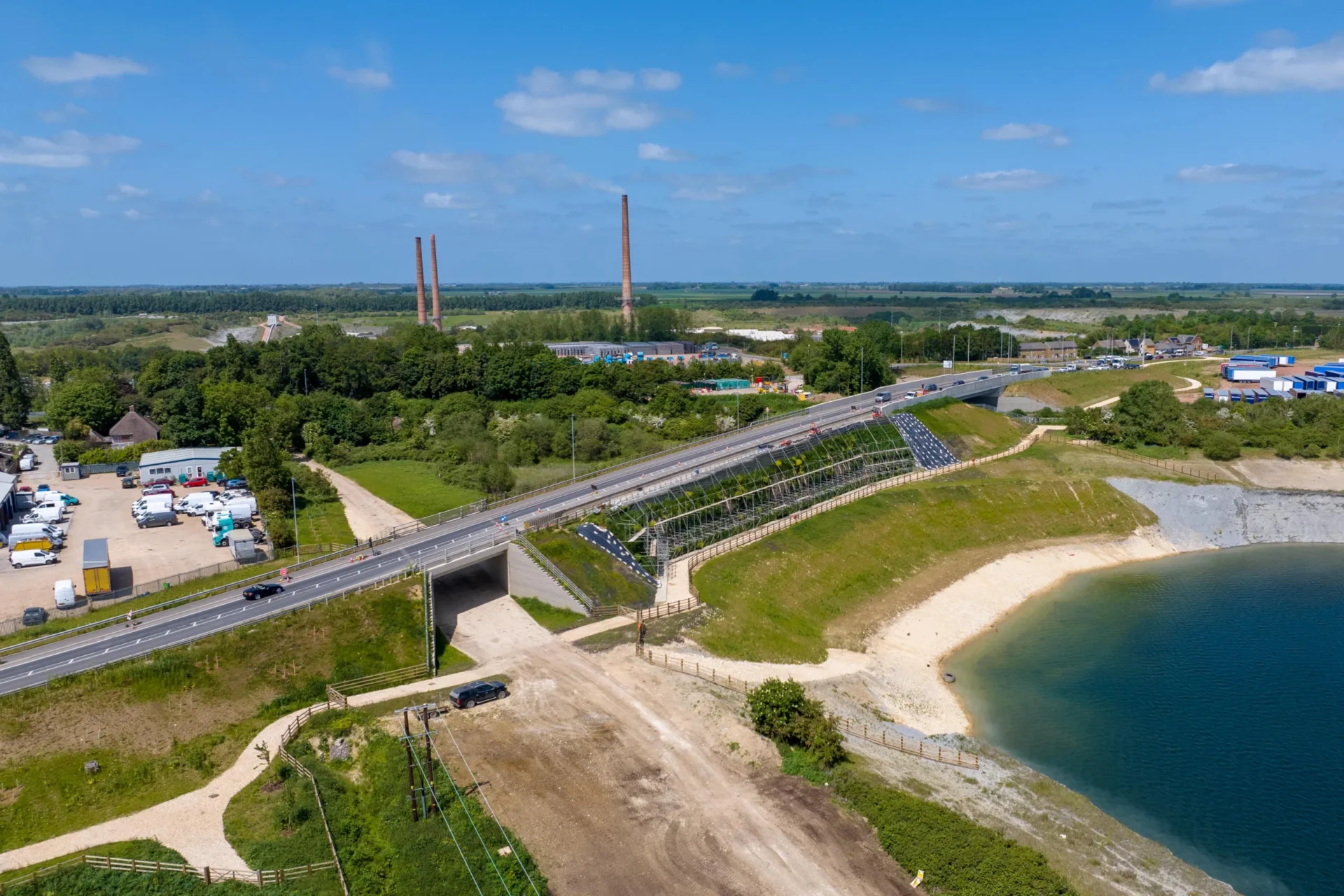
Over three years, £346m of new investment is planned for schools, roads and infrastructure, including the Energy from Waste facility.
Borrowing stands at £500m, costing £40m annually — 16% of the net revenue budget.
“It’s recognised that this financing of borrowing absorbs a significant proportion of the revenue budget,” the report states, pledging debt reduction where possible.
Council tax rises
Residents will see council tax rise by 4.99% annually.
Band D will increase from £1,749.42 in 2025/26 to £2,024.60 by 2028/29 — though rates remain among the lowest nationally.
Reset, Rebuild, Redesign
The strategy’s three themes are clear:
Reset — strengthen financial assumptions and forecasting.
Rebuild — replenish depleted reserves.
Redesign — shift to prevention, digital innovation and long-term sustainability.
Savings of £15–20m a year have already been delivered, but November monitoring showed £7.7m of planned savings rated amber or red.
Ambition remains high — but so does the risk.
A city in transition
Peterborough’s finances are more stable than they were three years ago. Governance has tightened. Funding prospects have improved.
Yet reserves are fragile, debt is heavy, and demand continues to surge.