
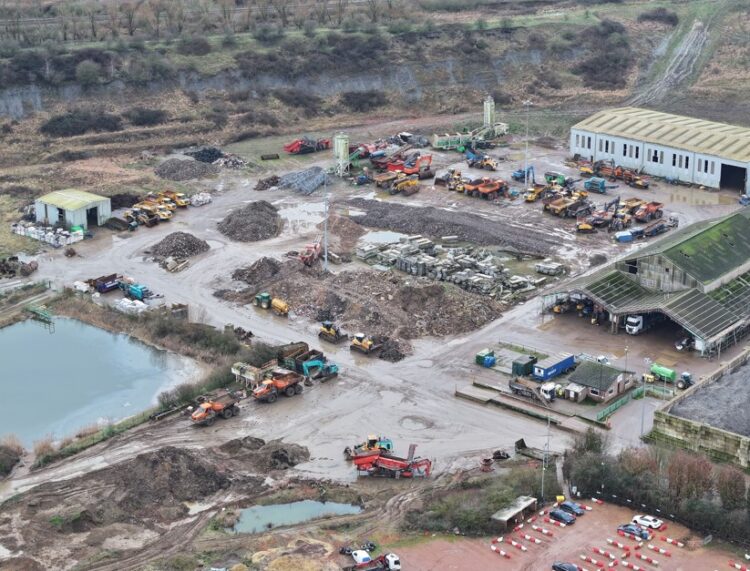
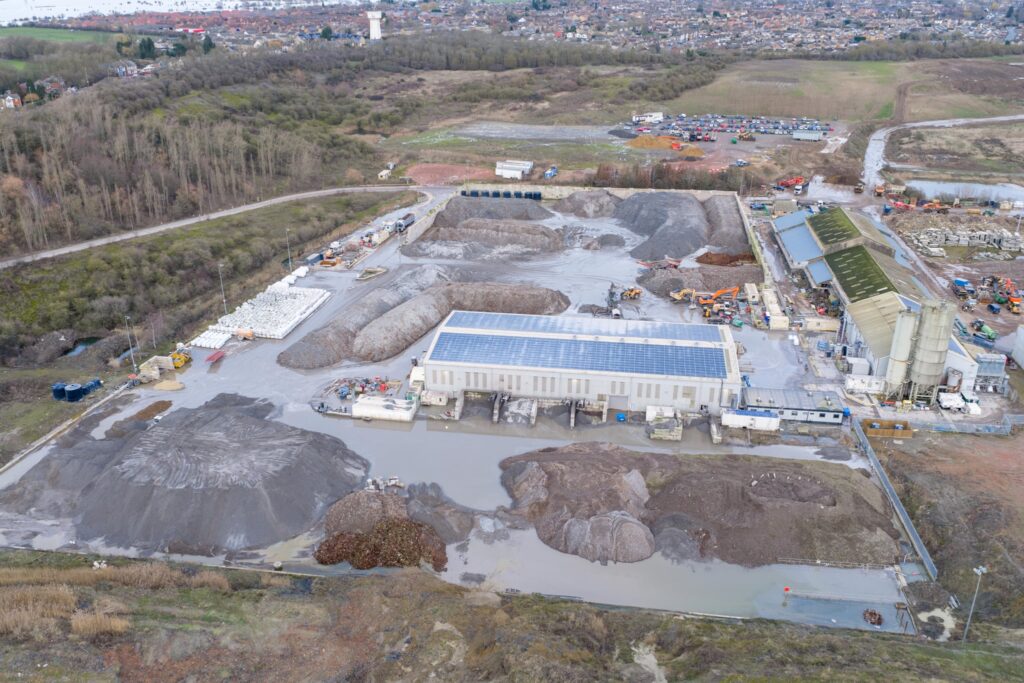
Anger is intensifying ahead of a crucial vote on expanding incinerator bottom ash operations at Saxon Pit, as senior councillors and drainage authorities warn key environmental consents remain unresolved. Cambridgeshire County Council is due to decide on 4 March whether to approve plans by Johnsons Aggregate & Recycling Ltd. to dramatically increase activity at the former Saxon Brickworks site in Whittlesey.
Residents and environmental campaigners have warned that the 4 March 2026 planning committee vote may be rushed before key drainage and environmental matters are resolved.
In a letter to the council, Cllr Boden, Whittlesey county councillor and leader of Fenland District Council, emphasised the need to defer planning decisions until drainage consents are clarified.
“Given the outstanding issues around drainage and water discharge, it would be premature and potentially irresponsible for the council to determine this planning application at this time,” Boden wrote.
Whittlesey residents fear mounting health risks amid Saxon Pit expansion


“As both a county councillor for Whittlesey and leader of Fenland District Council, I have a responsibility to ensure the safety of residents and the integrity of our local environment. Approving this expansion without the necessary consents would ignore serious regulatory and environmental concerns.”
Boden also stressed the interconnection of site operations: “The Saxon Pit complex cannot be treated as separate sites in isolation. Water management, flood risk, and waste handling are linked across the lagoon and IBA processing areas. The planning committee must consider these operations together to make a safe, lawful, and informed decision.”
Middle Level Commissioners confirm consent still pending
The Middle Level Commissioners, responsible for drainage in the region, sent a formal response to Cambridgeshire County Council via Chris Bailey, Head of Water Management Technical Services.
The letter addresses the regulatory conflict that occurred in 2025: Johnsons Aggregate & Recycling Ltd. applied simultaneously for surface water discharge consent from the MLC and a trade effluent permit from the Environment Agency.
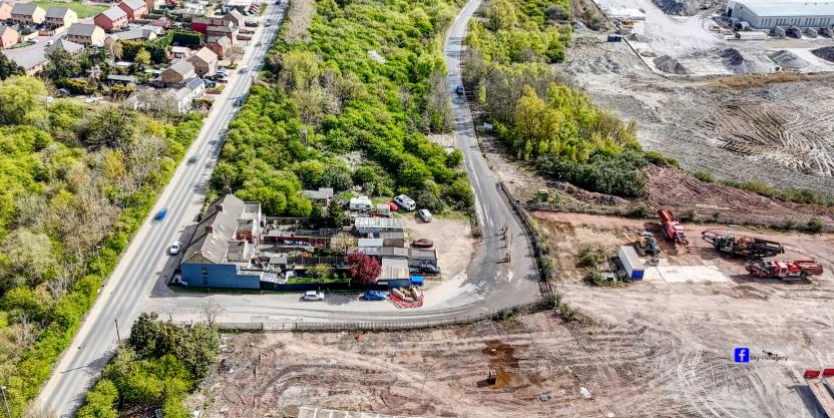
“Pending the Environment Agency decision, and because the applications were contradictory, we had no option but to reject their consent application,” the MLC letter states.
Although the Environment Agency has since issued a trade effluent permit, the MLC stresses that separate consent is required and is not guaranteed, recommending that planning approval be withheld until all drainage matters are resolved.
“We suggest determination of any planning permission should be withheld until drainage matters are resolved,” the letter notes.
Historic surface water consents are no longer valid
The MLC also clarified that historic surface water consents held by former operators are no longer valid due to operational and ownership changes.
“Historic surface water discharge consent previously held by the original site operators during its operation as an aggregate site is no longer valid due to the changes in operation and ownership,” Bailey wrote.
“This must demonstrate that such discharge will cause no detriment to the environment, the efficient working of the drainage system, or the flood risk of the district. It should not be assumed that such consent will be given, as we do not routinely issue consent for trade effluent.”
Cllr Boden reinforced this point: “The council cannot rely on outdated consents from previous operators. Any decision now must be based on the current regulatory framework and the specific conditions of the site today.”
Residents warn of environmental and safety risks
Local residents’ group Saxongate has long argued that the lagoon and IBA operations cannot be treated separately. The group points to documented issues, including storage of IBA outside designated containment areas and ongoing regulatory investigations.
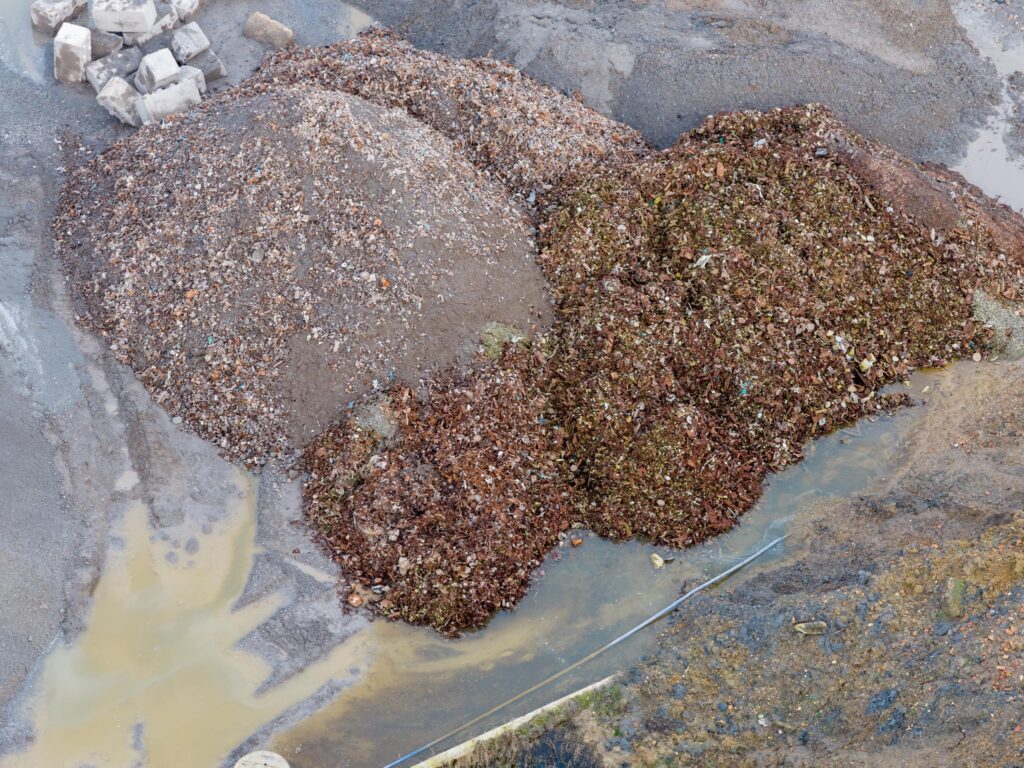
“More lorries mean more pollution, more noise, and greater risk to residents and local ecosystems,” a Saxongate spokesperson said.
“With drainage consent unresolved and previous consents invalid, this expansion is clearly premature.”
Their spokesperson added that they welcome the Middle Level Commissioners’ intervention.

“We have long raised concern that the wider site, which must be pumped to avoid flooding, now hosts waste recycling processes, such as incinerator bottom ash, that bring a more diverse mix of contaminants compared to the former brickworks,” said the spokesperson.
“We also note that multiple recent planning permissions were granted, despite authorities having known for years that no official discharge permit existed to allow water or trade effluent to be discharged into King’s Dyke.”
Independent reviews commissioned by residents also highlighted gaps in the public health assessment, including the exclusion of IBA as a potential contamination pathway and incomplete testing for site-specific contaminants.
Whittlesey waste expansion faces showdown as planning vote set for 4 March
Cllr Boden expressed support for residents’ concerns: “Residents are right to expect that environmental and public health risks are fully assessed before any expansion is approved. Ignoring these concerns would be unacceptable and undermine public trust in the council.”
Regulatory timeline highlights
- September 2025: Middle Level Commissioners refuse drainage consent, pending Environment Agency permit.
- Late 2025: Environment Agency issues trade effluent permit.
- February 2026: Letters from Cllr Boden and MLC highlight unresolved issues.
- 4 March 2026: Planning committee meeting scheduled.
Residents and councillors argue the timing leaves insufficient opportunity to review critical technical and regulatory material.
Legal and policy implications
Both Cllr Boden and the Commissioners stress that approving the expansion without resolved consents could carry environmental, flood, and reputational risks for the council.
“Approving this application before drainage issues are fully resolved would not only be premature but could expose the council to legal and environmental liability,” Boden wrote.
Planning committee under pressure
The committee must now weigh:
- Pending drainage consent from the Middle Level Commissioners
- Existing Environment Agency trade effluent permit
- Environmental, flood, and public health risks
- Operational risks from increased IBA transport and storage
The proposed expansion would raise HGV movements from 92 to 332 per day, heightening pollution, noise, and traffic concerns.
Cllr Boden emphasised: “This is a significant change to operations at Saxon Pit. The council has a duty to ensure that expansion does not compromise flood risk, water management, or public safety. Until the regulatory position is clear, approval should be deferred.”
Conclusion: decision should await regulatory clarity
The letters from Cllr Boden and the Middle Level Commissioners underscore that Saxon Pit’s expansion cannot proceed without resolving critical drainage consents.
Former Saxon Brickworks expansion sparks noise and traffic fears in Whittlesey
Residents, local councillors, and environmental groups all argue that waiting for clarity is not only prudent but essential to protect public safety and environmental integrity.
Residents are encouraged to watch or attend the 4 March planning committee meeting which is at 10.00am at New Shire Hall, Alconbury.
Updates are available via Saxongate’s mailing list at saxongate2022@gmail.com or its Facebook page.