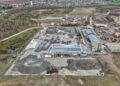

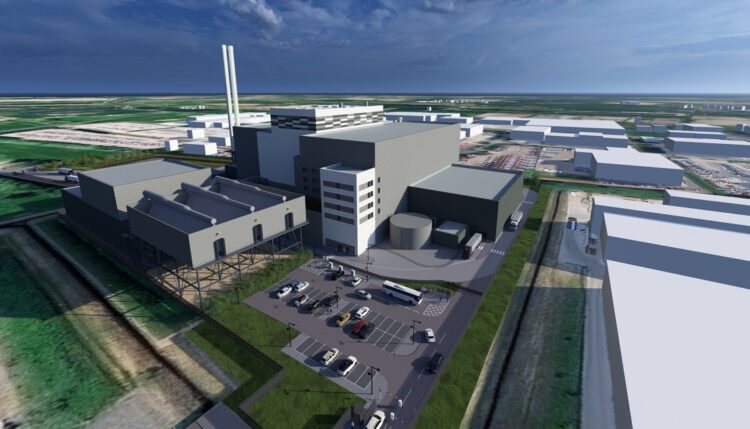
A new reality is dawning with construction work having begun in Wisbech on a major new energy-from-waste facility, the £450 million Medworth Energy from Waste Combined Heat and Power (EfW CHP) plant.
Backed by German energy giant MVV Energie AG and financed in partnership with KfW IPEX-Bank, the project promises to convert hundreds of thousands of tonnes of non-recyclable waste into electricity for around 150,000 homes each year.
Construction formally commenced on October 27, following preparatory work earlier in the year.
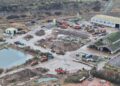
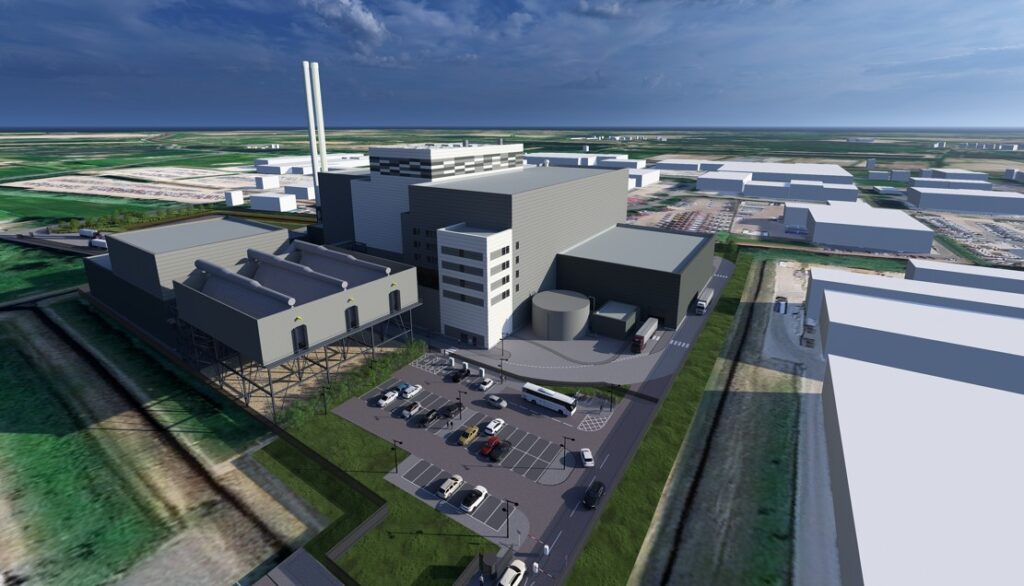
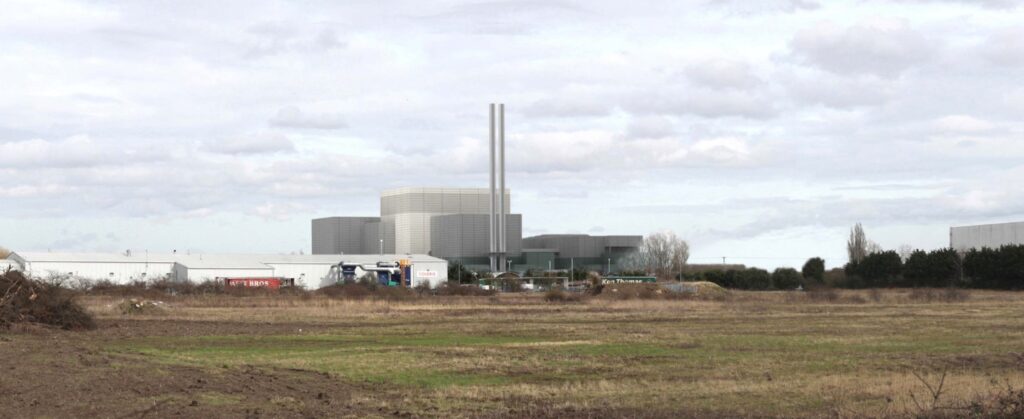
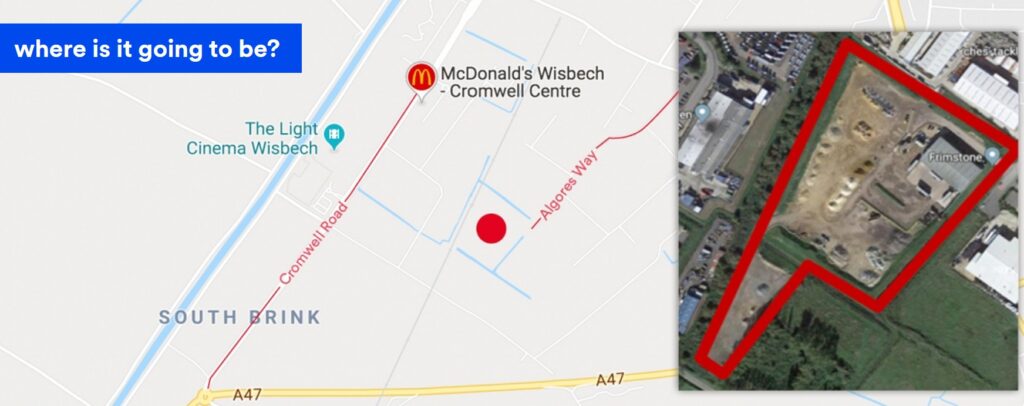
The 25-30 acre site on Algores Way Industrial Estate will feature a striking 84 metre high chimney and cutting-edge moving grate incineration technology.
Once operational in 2029, the plant is expected to process between 525,000 and 600,000 tonnes of non-hazardous waste annually, generating 54 MW of electricity alongside steam that could be used for district heating.

MVV, headquartered in Mannheim, Germany, is investing around half a billion euros—the largest single investment in the company’s history and the crown jewel of its UK portfolio, which already includes plants in Plymouth, Ridham Dock, Dundee, and Baldovie.
The company aims to become climate-positive by 2035, with over 70% of its energy portfolio from renewables by 2030 and sees the Wisbech project as central to both the UK’s waste management strategy and its net-zero ambitions.
Environmental benefits are touted by MVV as a key feature of the scheme.
By diverting waste from landfill, Medworth is expected to save roughly 500,000 tonnes of CO2 equivalents annually, while adhering to strict EU emissions standards.
MVV has also pledged community benefits, including £200,000 in annual grants for health, environmental, and wellbeing projects, alongside contributions to roads and green spaces.
A dedicated community manager has been appointed, and public meetings are held every two months to maintain dialogue with local residents.
Economically, the project is expected to support up to 700 construction jobs over three to four years and create 42 permanent positions once operational.
Local supply chains are being engaged, reflecting MVV’s commitment to regional economic growth.
The project has faced opposition from some local groups, including Wisbech Without Incineration (WisWin), which has raised concerns about potential health impacts, odour, and traffic.
Additionally, a few local councils have pledged not to supply waste to the plant.
Despite these challenges, construction continues, with strict environmental standards and regulatory approvals in place.
Financing for the project combines MVV’s own resources with external debt, structured with KfW IPEX-Bank as sole lender and hedge provider.
For the first time, Swiss Export Risk Insurance (SERV) has been integrated to insure a major portion of the construction contract with Swiss green-tech firm Kanadevia Inova. The EPC contract with Kanadevia marks the company’s first project delivered for MVV.
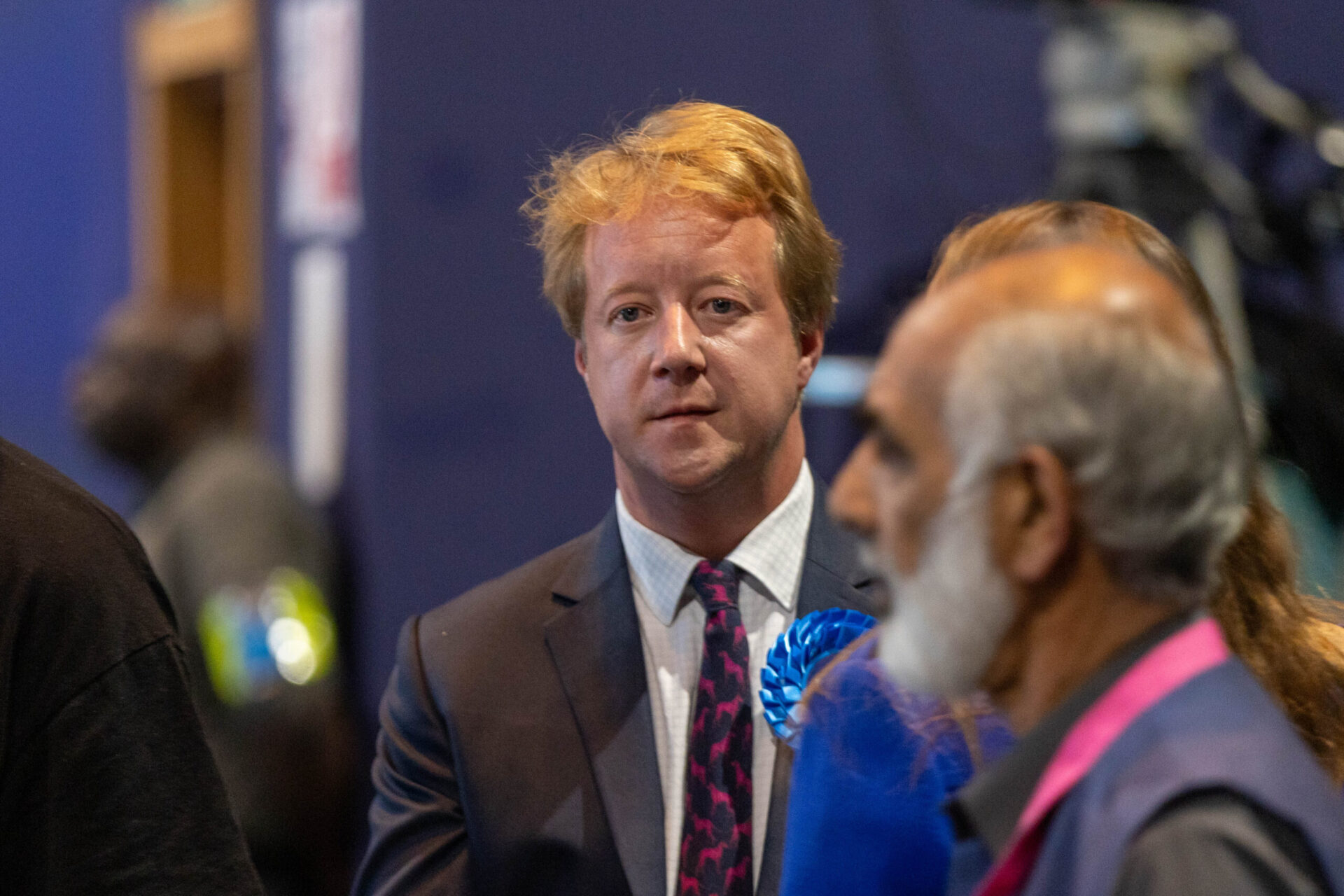
Speaking at the project’s start, MVV’s managing director Paul Carey said: “We are now starting the main construction works for our Medworth energy-from-waste facility. This project is a vital step in sustainable waste management for the region and will generate reliable baseload energy for homes and businesses in Wisbech and beyond.”
EDITOR’S NOTE: This is an updated version of this story to reflect clarifications requested by MVV who asked us to correct the height of the chimney, the number of full time jobs to be created and the timescale of community meetings.