
A single letter has changed the temperature of the Saxon Pit battle at Whittlesey. Dated February 24, 2026, and it was sent by Cllr Chris Boden to Helen Wass, development management officer (strategic & specialist applications) at Cambridgeshire County Council. What follows in that letter may yet derail the recommendation to approve the controversial expansion at Saxon Pit.
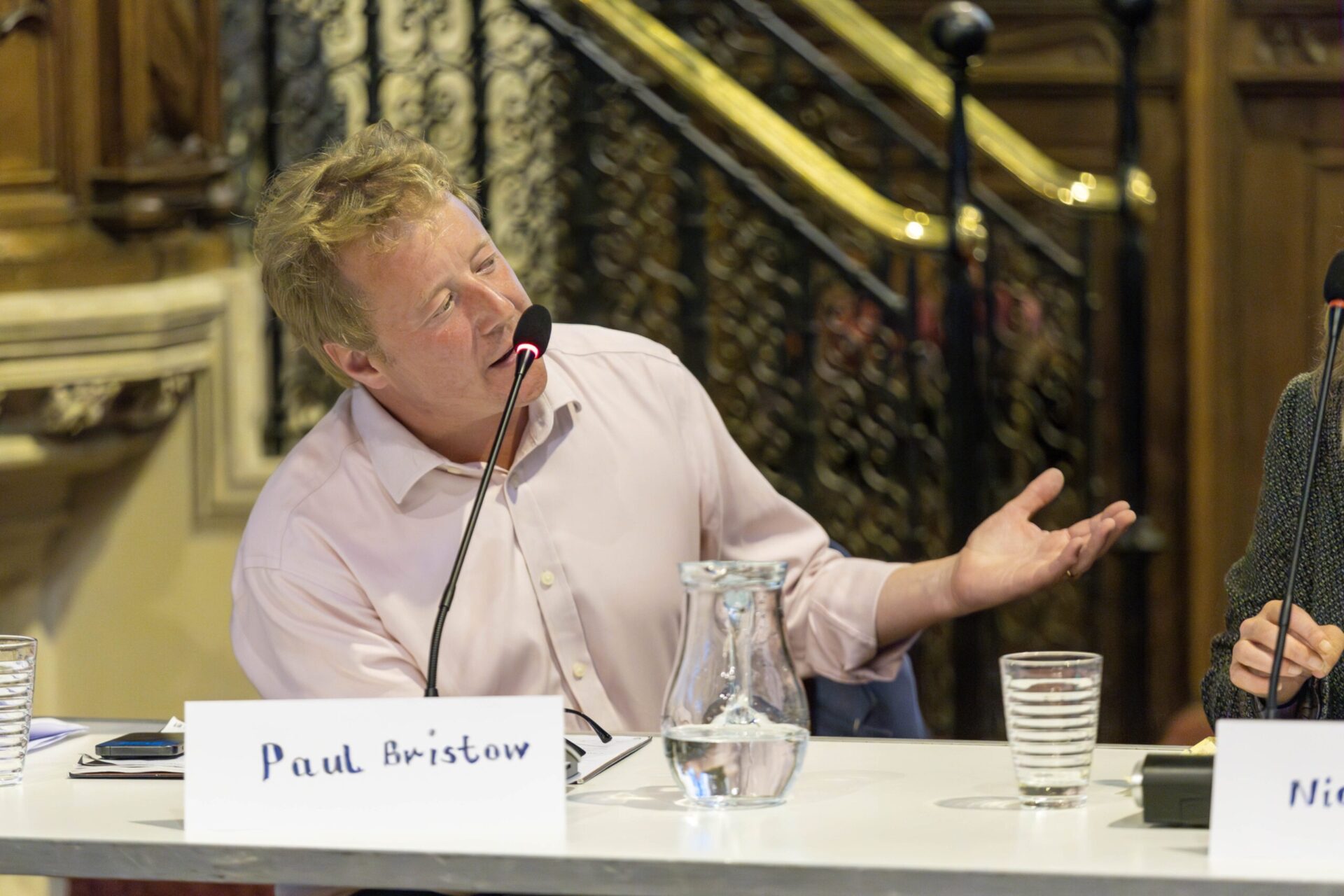
Cllr Boden has produced what he clearly believes is new and deeply troubling evidence — evidence that, at the very least, he says merits postponement of the March 4 county council planning committee.
The FOI that changes the argument
In his letter, Cllr Boden reveals he has received what is commonly referred to as a Freedom of Information response — in this case formally an Environmental Information Request (EIR) disclosure — from the Environment Agency concerning existing discharges from Saxon Pit, before any proposed expansion. This information was supplied to him by Saxongate Residents Group.
The findings are stark.

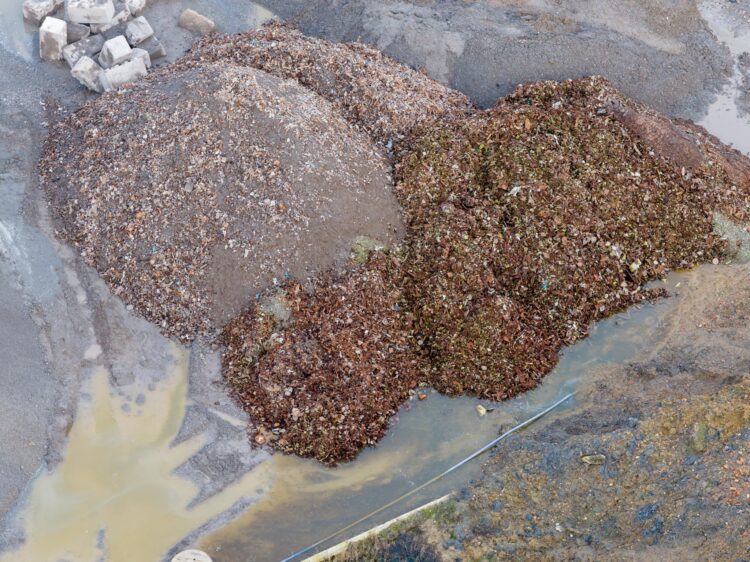
According to the Agency: “A broad suite of heavy metals with known ecotoxicity were identified at elevated levels.”
Six elements — cadmium, copper, zinc, nickel, titanium and manganese — were classified as highly toxic or severely enriched in sediments.
It goes further: “The discharge point clearly contributes to increased contaminant loading, with downstream concentrations remaining high, indicating ongoing transport or accumulation.”
And more damning still: “Multiple elements exceed UK sediment baseline levels… The most critical contaminants include cadmium, copper, zinc, nickel, thallium, manganese and antimony, all of which pose significant toxicity to aquatic organisms.”
The Agency concludes: “In general, the discharge is a likely contributor to toxic metal loading in the sediment.”
The Environment Agency data referenced in the disclosure formed part of the evidence base for the earlier UKHSA-led public health assessment. That assessment concluded no identified public health risk, having screened out certain exposure pathways including direct water contact and agricultural use.
Saxongate Residents Group have commissioned an independent expert review of the UKHSA public health report and the excluded exposure pathways. That review is expected to be released this week.
Irrespective of the public health conclusions, the Agency’s own wording indicates that contaminated discharge water is contributing additional toxic metal load into Kings Dyke. Heavy metals accumulate in sediments over time, and questions now arise as to how cumulative loading over extended operational periods has been assessed.
And it relates to existing operations — before any proposed increase in activity at the site.
For residents who have logged more than 600 complaints over dust, odour and noise in the past two years, this reads like vindication.
For planning officers who have recommended approval on the basis that environmental permitting regimes will operate effectively, it poses an uncomfortable question.
Deferral — or refusal
Cllr Boden’s letter points to two new developments in just the past week.
First, the Middle Level Commissioners have formally requested that consideration of the application be deferred until drainage issues are resolved. If not deferred, they ask that it be refused.
Second, the Environment Agency’s disclosure on heavy metals.
Taken together — and alongside previously submitted recommendations for refusal from Peterborough City Council highways authority and from Cambridgeshire’s Director of Public Health — Cllr Boden argues the case for immediate approval is no longer tenable.
He writes that in light of this “quite shocking” new information, county planning officers should reconsider their recommendation that the variation application at Saxon Pit be approved.
At the very least, he urges deferral so that all newly emerged material information can be fully taken into account before members of the planning committee make their decision.

And he has asked for transparency: that his email, the disclosure letter, and six associated attachments be placed on the planning portal for councillors — and the public — to see.
A political contrast
What makes Cllr Boden’s intervention all the more striking is the political contrast it exposes.
As county councillor for Whittlesey North, he has now sprung decisively to the fore of those opposing the expansion.
But in his separate role as Leader of Fenland District Council, the authority has remained officially neutral.
Fenland, as a statutory consultee, raised no objection and stated it had “no further comments to make at this time.” Its Environmental Health Officer did not object — despite acknowledging ongoing complaints and witnessing odour from residential premises.
The expansion at the heart of the storm
The variation application by Johnsons Aggregates and Recycling Ltd would dramatically intensify operations at the Former Saxon Brickworks on Peterborough Road, Whittlesey.
If approved, it would:
- Increase incinerator bottom ash throughput from 250,000 to 460,000 tonnes per year.
- Introduce outdoor crushing of incinerator bottom ash (IBA).
- Increase construction and demolition waste from 50,000 to 154,000 tonnes.
- Raise daily HGV movements from 92 to 332.
- Extend Building 1 operations to 24 hours a day, seven days a week.
- Increase stockpile heights and expand crushing and screening.
Residents already describe daily nuisance: dust settling on window sills, odour episodes drifting across estates, sleep disturbed by noise.
Cambridgeshire’s Public Health team previously warned: “It is wholly insufficient to only consider the impact of the expansion… in isolation of existing and potential future operations. From a public health perspective, it is the cumulative impact… that matters.”
They “strongly recommend that the application be refused.”
Yet the county planning officer’s report concluded that impacts were moderate and controllable — and that where pollution control regimes exist, planning authorities should assume they will operate effectively.
It also controversially stated that health impacts were, at this stage, a “perception of harm rather than an objectively assessed and evidenced issue.”
A defining moment
The May 4 planning committee is shaping up to be a defining moment for Whittlesey.
Free transport to make your voice heard
On 4th March, the Planning Committee at New Shire Hall Alconbury will decide on the Saxon Pit JARL expansion ref CCC/24/091/VAR.
A strong turnout will show the strength of local feeling.
Transport is free. Donations towards costs are welcome but not expected.
To reserve a seat, message Saxongate on Facebook or email saxongate2022@gmail.com.
“The meeting will be livestreamed, but being in the room matters on the day the decision is taken,” said a Saxongate spokesperson.