
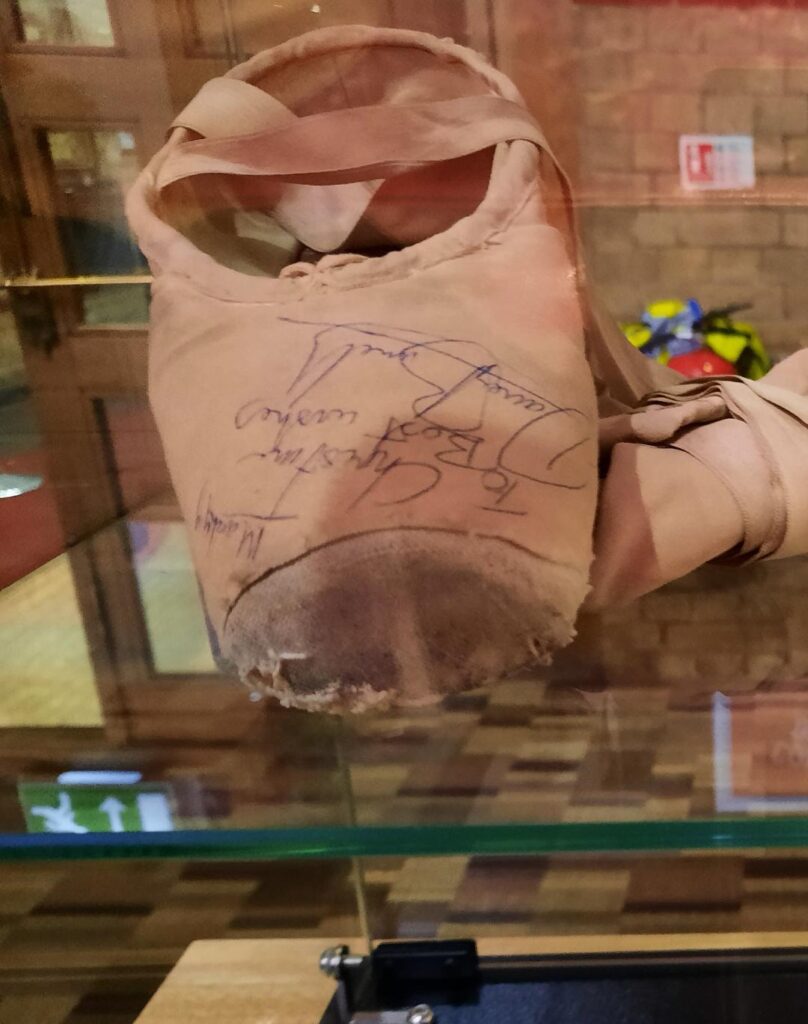
A pair of pink ballet shoes worn by Darcey Bussell and an intriguing explanation of how they came to be there is on display at a free entry exhibition opening this month at Cambridge Corn Exchange.
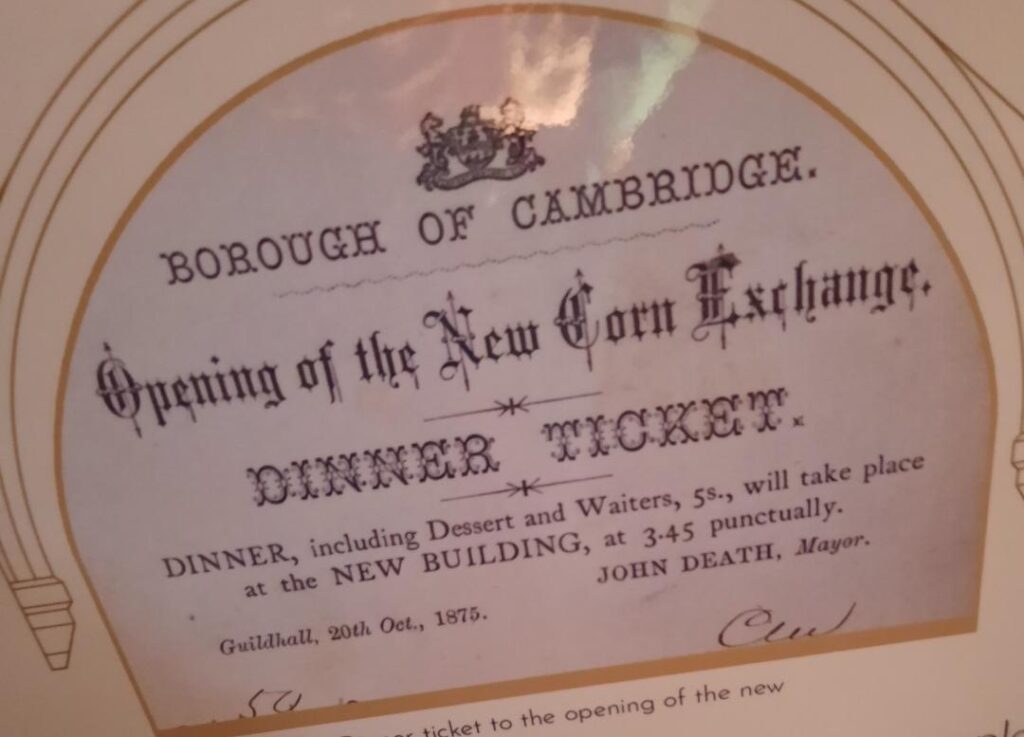
The exhibition celebrates the past 150 years of the venue – which was opened in 1875 as a market place for corn – Cambridge then being Britain’s ninth richest town in England thanks to the agriculture around it.
The last grain of corn was sold there in 1965. Meanwhile, It had begun hosting concerts and became a venue for exhibitions and meetings.
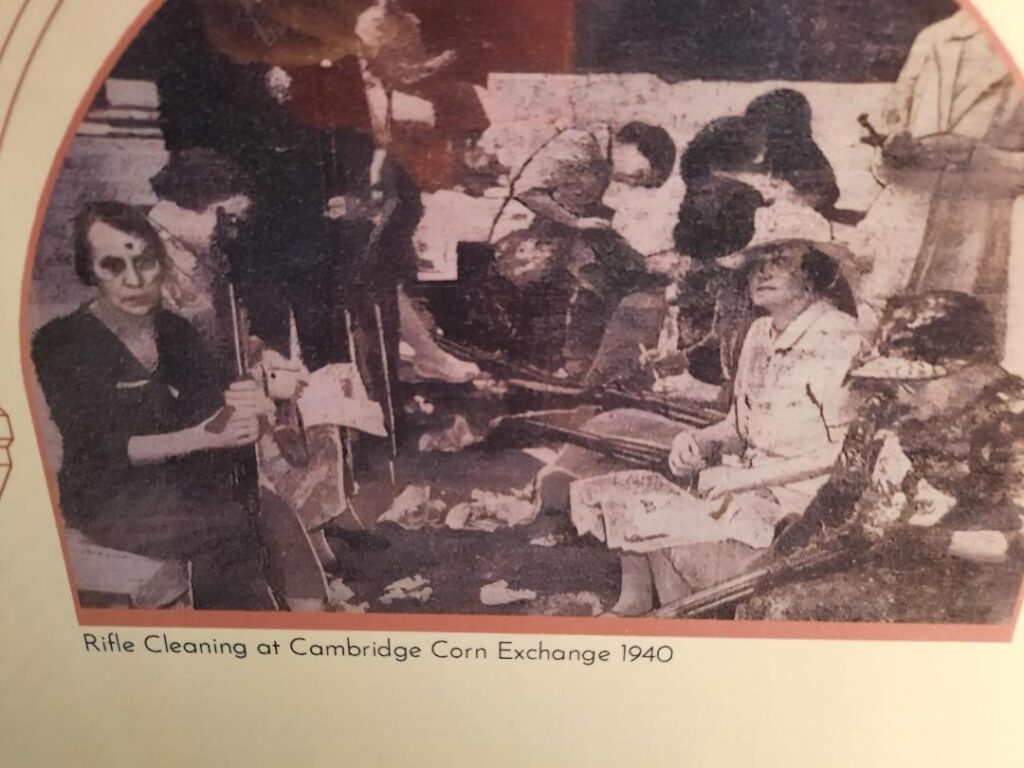
In 1909, Cambridge Women campaigning for the vote, met there. During the Second World War, it was a distribution centre for ration books and it was where women worked to clean the grease off riffles.
In May and June 1940, 8,000 rifles were delivered to the Corn Exchange. The guns had been provided by the United States as many fighting men were making do with personal or makeshift weapons.

However, the guns arrived covered in a thick layer of grease which had to be removed before they could be used. Hundreds of women spent two weeks cleaning the rifles, getting themselves covered in grease in the process.
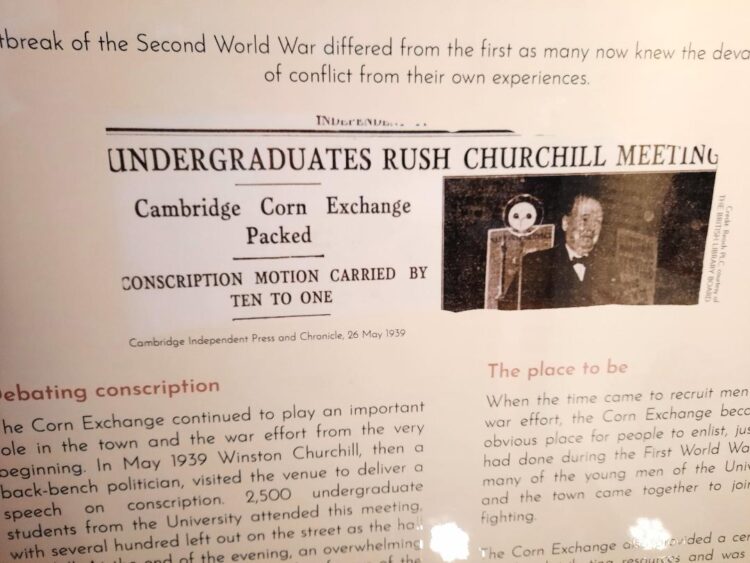
This was also the place where in 1939, Winston Churchill as a back-bencher came to debate in front of an audience of 2,500 Cambridge University students whether conscription was necessary. They voted that it was.
Later the corn exchange contained a skating rink before becoming the place we now know for top acts and prestigious performances in music, dance and comedy.
Lining the walls of the exhibition are people’s memories of seeing top bands there. Remembering Motorhead in 1989, a fan wrote: “My friend Sean and I took along another friend Michael, whose curiosity appeared to centre most on the sound/lighting desk in the centre of the floor.
“At the end, with the band having played their encore and the audience starting to leave, Michael reached over behind the engineer’s back and pressed some carefully chosen buttons. The stage lights came back on and the crowd, sensing the band hadn’t quite finished, went wild. Motorhead had no choice but to come back on.”
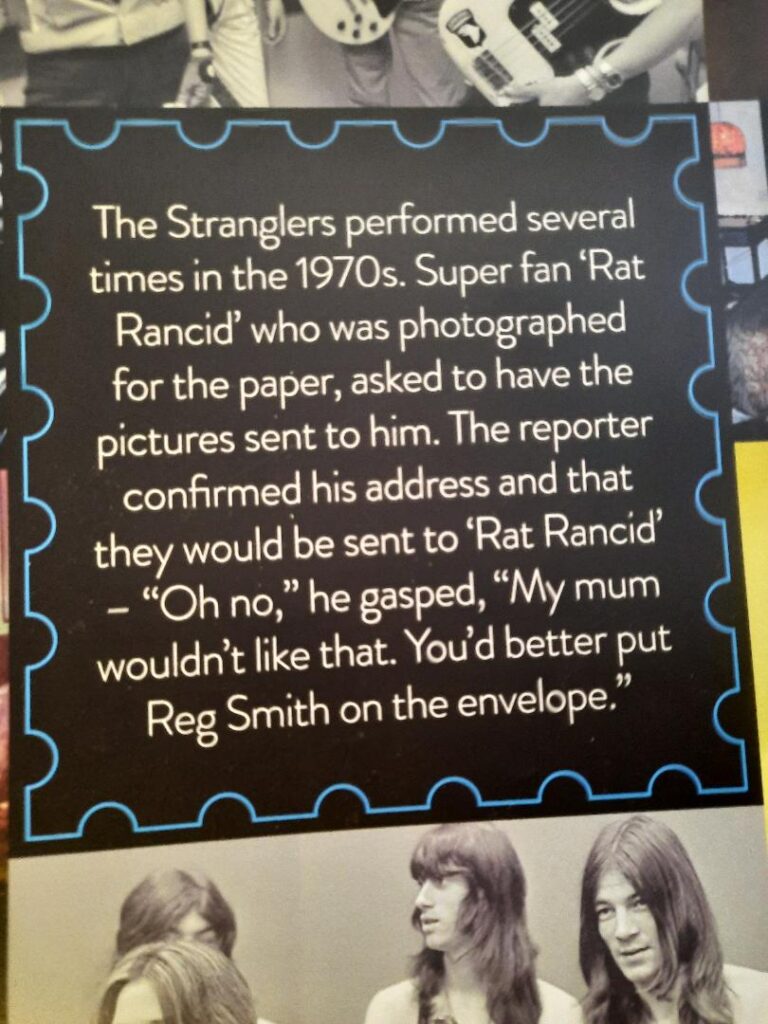
In the 1970s, as well as going there to skate, crowds bought tickets to see rock icon, David Bowie, and bands such as The Jam and Judas Priest. One of the first bands to play there was The Who.
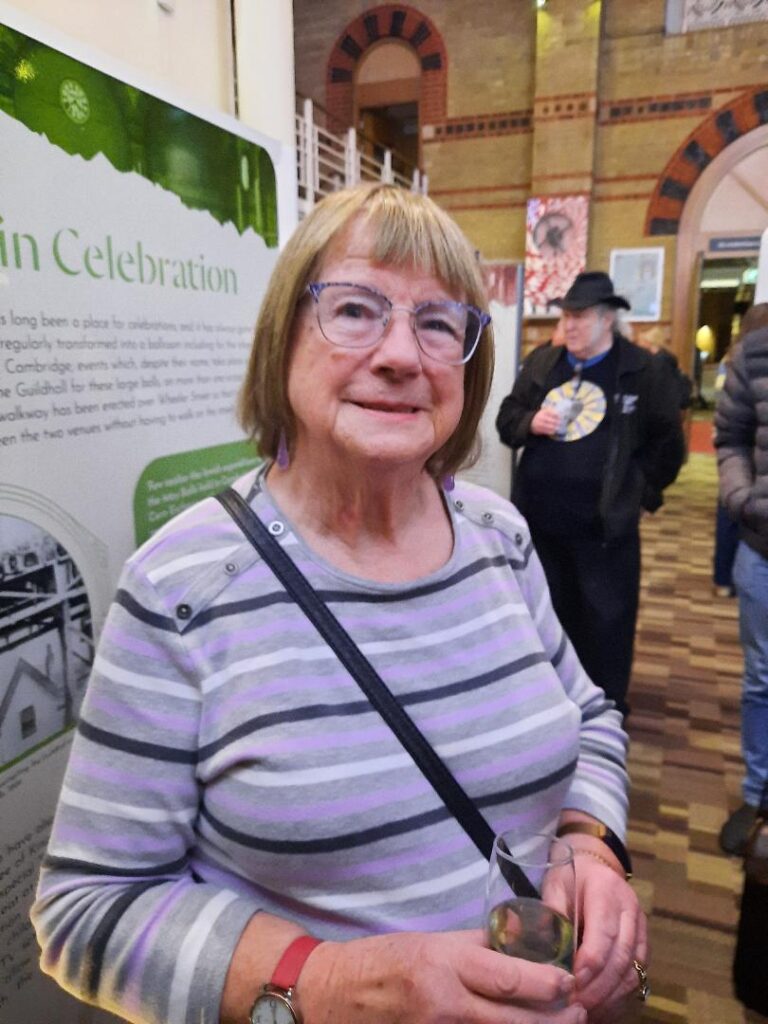
Some of the staff over the years have been long-stayers. At the exhibition launch was Barbara Stokes who started working there as a steward in 1986. Now, 40 years on, she is still working there, aged 80.
She said: “The first concert I worked on was Boxcar Willie,” (an American country music singer) as she and colleague Pauline Haughey chatted near an historic television set made by Pye – the pioneer television company based in Cambridge.
Pauline was hired in 1976 as a trainee entertainments officer. “My first job was to count and pair-up the roller skates,” she said.
But about those ballet shoes. How did they arrive in Cambridge?
Christina McNally, former press officer at Cambridge Corn Exchange, who has loaned the shoes to the exhibition, has written an explanation to go alongside them: “For a number of years, the Royal Ballet would come to the venue for a few days as part of Dance Bites.
“One year, we were lucky enough to have the company’s youngest ever principal dancer, Darcey Bussell, one of the most famous British dancers of her generation, come to the venue.
“While she was in Cambridge, it was quite a highlight to share a taxi with Darce, as her accompanying publicist and assistant would call her. But an even bigger highlight came several weeks later.
“A package wrapped in brown paper arrived for me and inside to my delight and surprise was a very battered pair of pale pink block ballet shoes, the satin and blocks rubbed and worn from hours of rehearsing, signed by her and sitting on my desk. Very precious to this day, the worn-out shoes are a uniquely personal testament to the talent of their owner.”
This is a fascinating exhibition which also includes artwork and digital interactive displays for visitors. Free entry, it opens to the public on Tuesday, February 17 until Saturday, April 4. Open 10am until 2pm from Tuesday to Saturday.