
A proposed closure of Cambridge University’s Queen’s Veterinary School Hospital (QVSH) would be catastrophic for thousands of low-income families who rely on the city’s RSPCA clinic, according to the Cambridge and District Branch.
The RSPCA Cambridge Clinic, now located in Pool Way off Whitehill Road, is urging the public to support a campaign to save the vet school, warning that the clinic cannot continue without it. In 2025 alone, almost 4,000 treatments were provided to dogs, cats and other animals through the partnership between the clinic and the hospital.
Decades-long partnership at risk
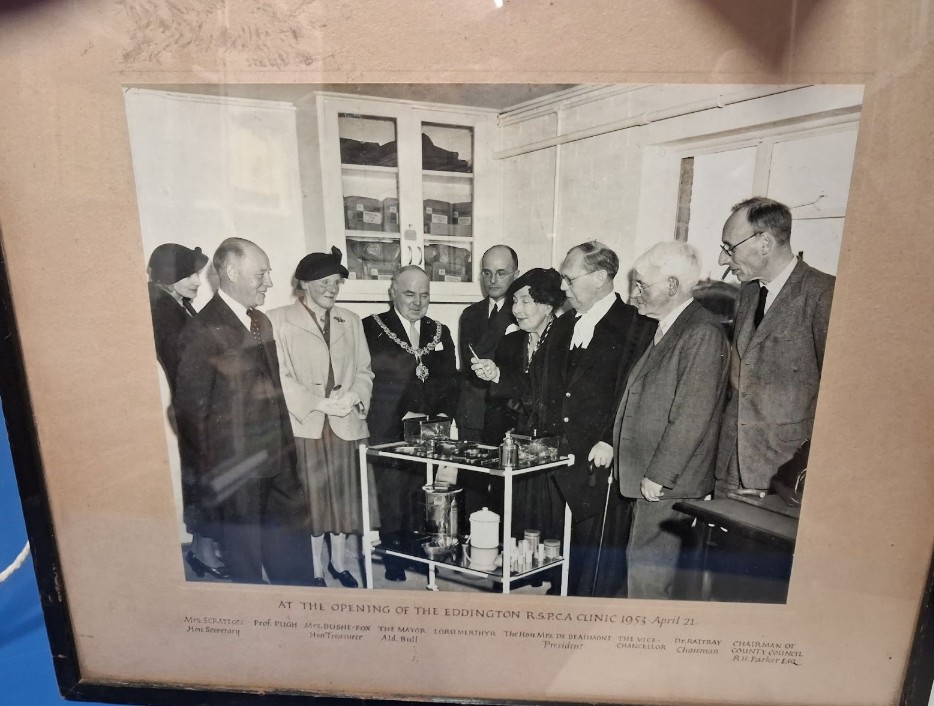
Since the 1950s, the Queen’s Veterinary School Hospital and the RSPCA clinic have worked together to provide life-saving veterinary treatment for sick and injured pets from across Cambridge and surrounding areas. The hospital provides veterinary staff and facilities for the clinic, while also using it as a teaching environment where students observe real-life cases treated by qualified vets.
With additional financial support from the Cambridge and District Branch, this partnership allows the clinic to offer low-cost services including consultations, neutering, vaccinations, medical treatments, diagnostic investigations, surgical operations and a vital out-of-hours service.

In the last year, 3,971 treatments were delivered at the RSPCA clinic and the hospital, with usually one out-of-hours appointment taking place each day at QVSH.
Campaign to save the hospital
The Department of Veterinary Medicine has now launched a campaign opposing the proposed closure of the Queen’s Veterinary School Hospital. Supported by the RSPCA branch, the campaign is calling on the public to show their backing and to share personal experiences of how the clinic has helped them.
Helen Stearn, chair of the Cambridge and District Branch, an alumna of the vet school and a former DEFRA vet, said the news had been devastating.
“We are devastated by the news of the potential closure which would be catastrophic for the low-income families who depend on this vital veterinary service for their beloved pets,” she said.
Rising need amid cost of living crisis
Ms Stearn said clinic prices are around a third to a quarter of those charged by private practices, meaning disadvantaged owners and their animals would be disproportionately affected by any closure.
She warned that the cost of living crisis and the prices private veterinary surgeries must charge are already making it difficult for some owners to afford basic care. Any reduction in services, she said, would inevitably lead to more animals suffering.
“Very worryingly some animals may not receive any veterinary treatment at all as their owners will not contact a vet because of the expense,” she said, adding there were concerns more pets with treatable conditions could be put to sleep because owners cannot afford treatment.
The clinic’s catchment area covers around 1,000 square miles, with every session fully booked. Demand is increasing, not decreasing, with a growing number of calls from people seeking help.
“Our partnership with the vet school has been in existence since 1953 and has helped tens of thousands of owners and their pets,” Ms Stearn said. “We hope the University authorities will consider the enormous negative impact of closing the vet school.”
Cambridge MP Daniel Zeichner said: “The vet school has provided my constituents a stellar service over many years, and so I fully appreciate the concerns which have been raised.
“While the future of the vet school is ultimately a decision for the university, I recognise the crucial work done by groups such as the RSPCA to support our sick and injured pets.”
Please let the university authorities know how damaging a closure of the RSPCA clinic would be for its clients and their animals by supporting the ‘Save the Vet School’ campaign.”