
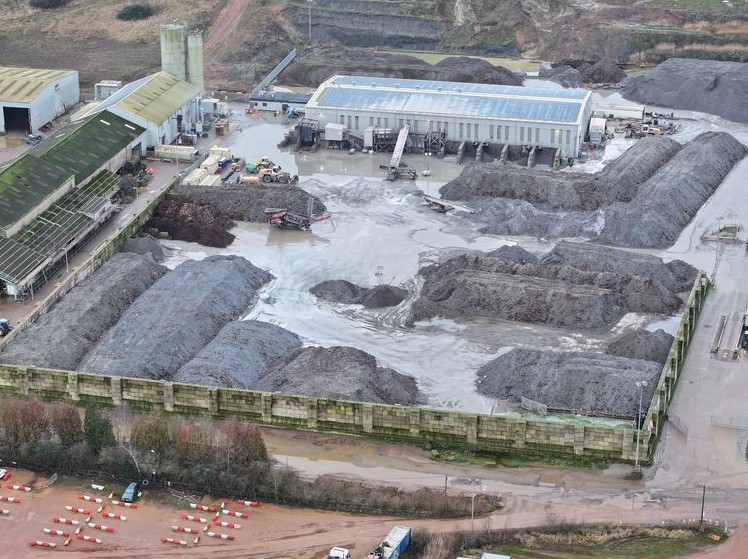
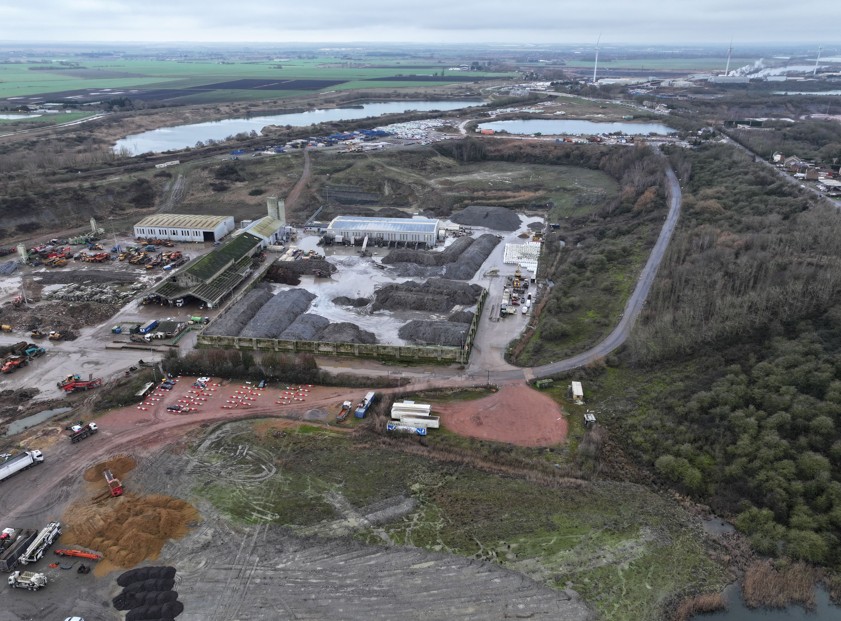
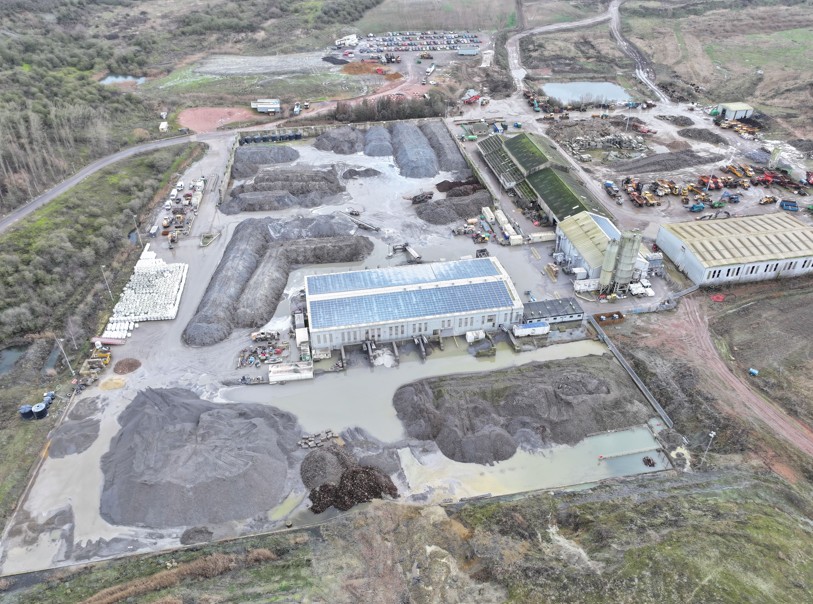
Whittlesey residents group Saxongate have delivered a formal letter to the Environment Agency (EA) expressing alarm over repeated breaches of permitted storage areas at Saxon Brickworks, raising fresh questions about public health, regulatory oversight, and the facility’s capacity to handle increased waste volumes.
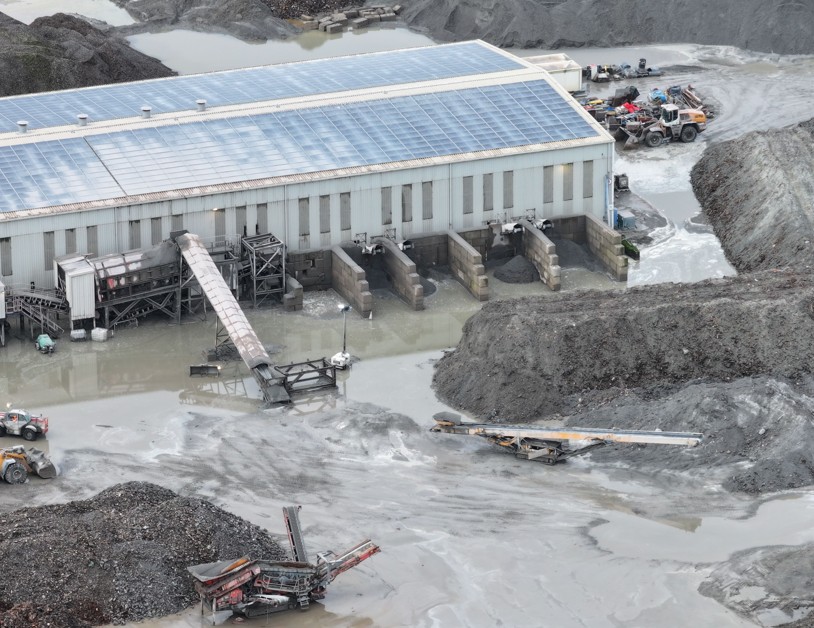
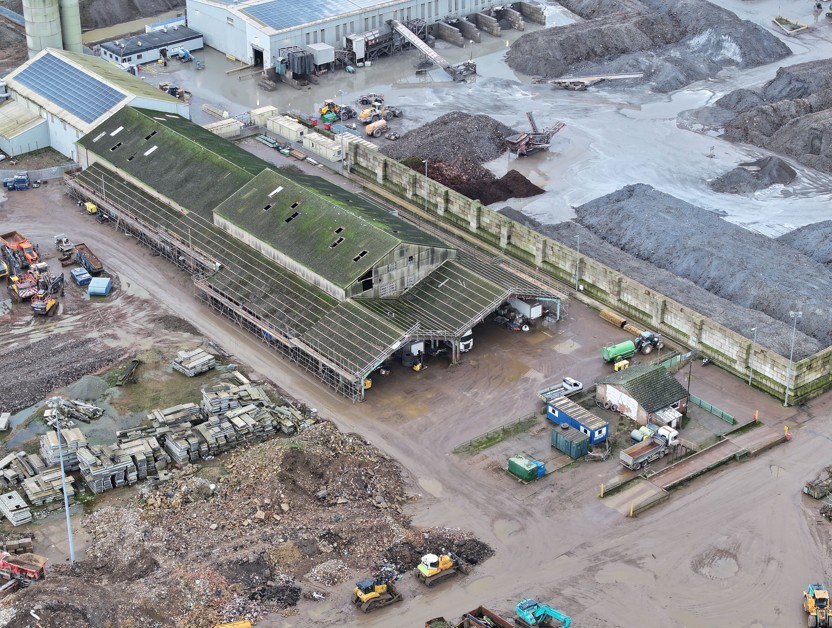
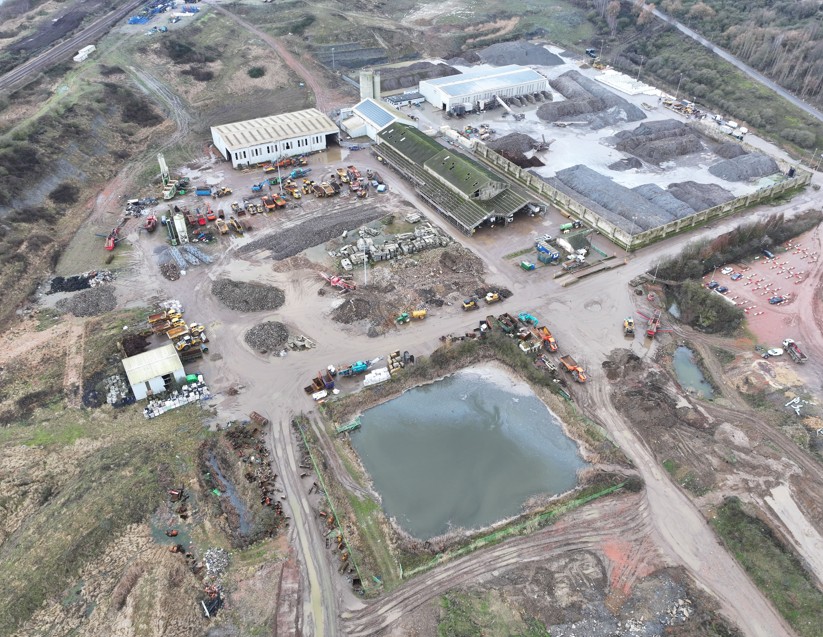
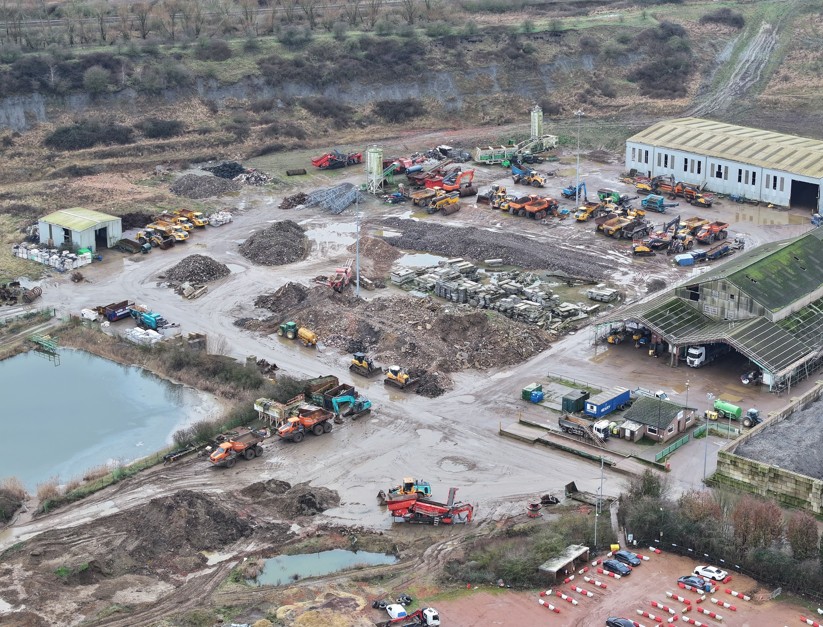
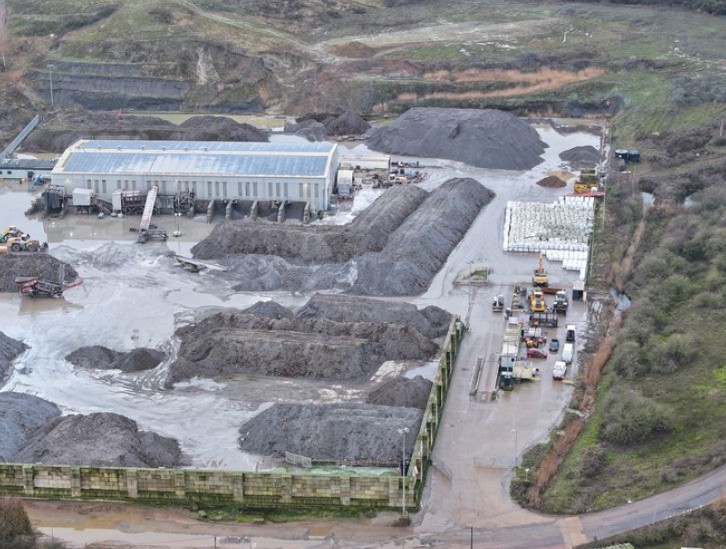
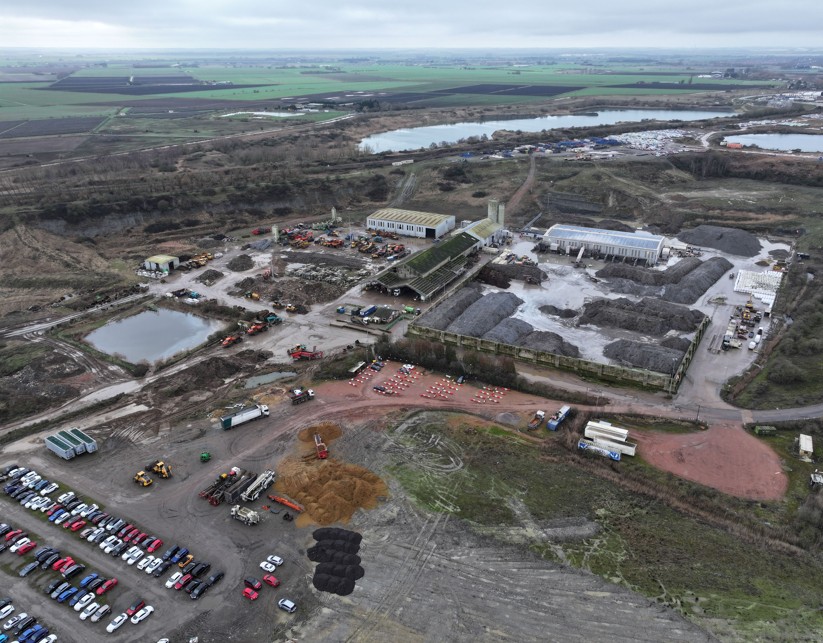
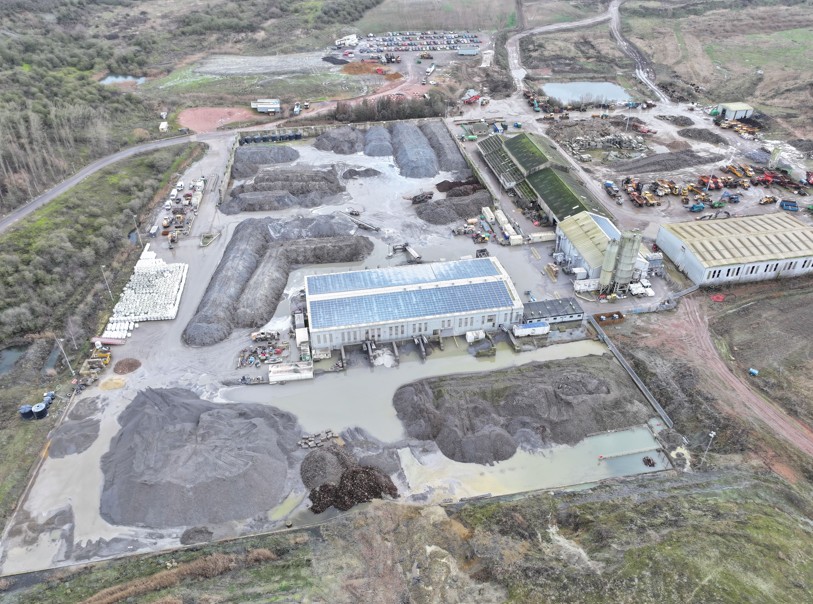
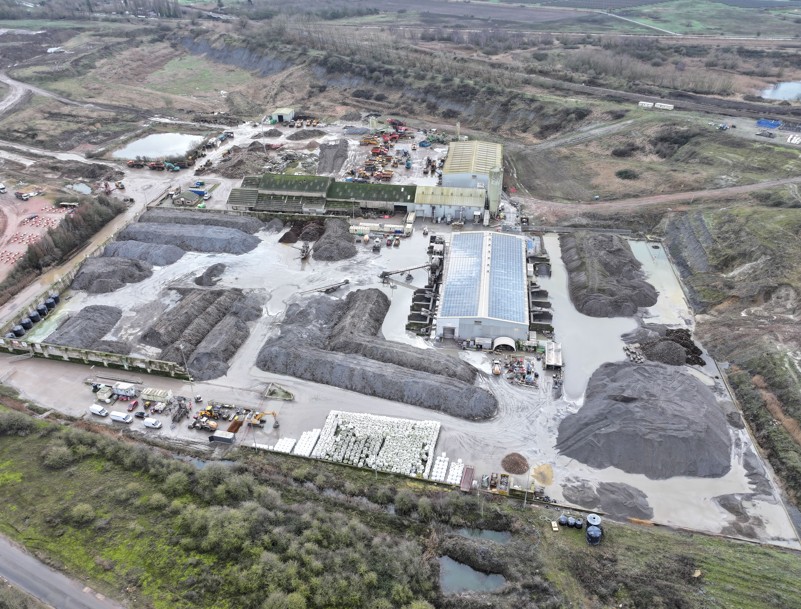
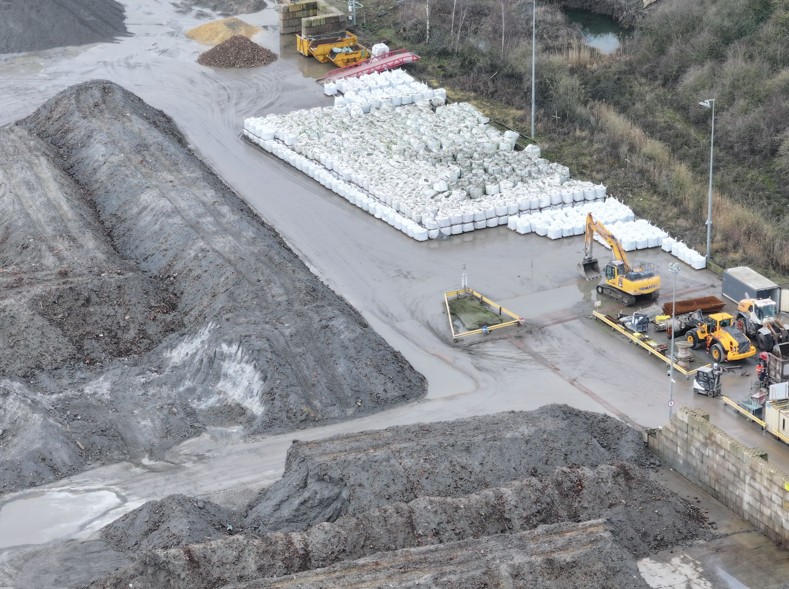
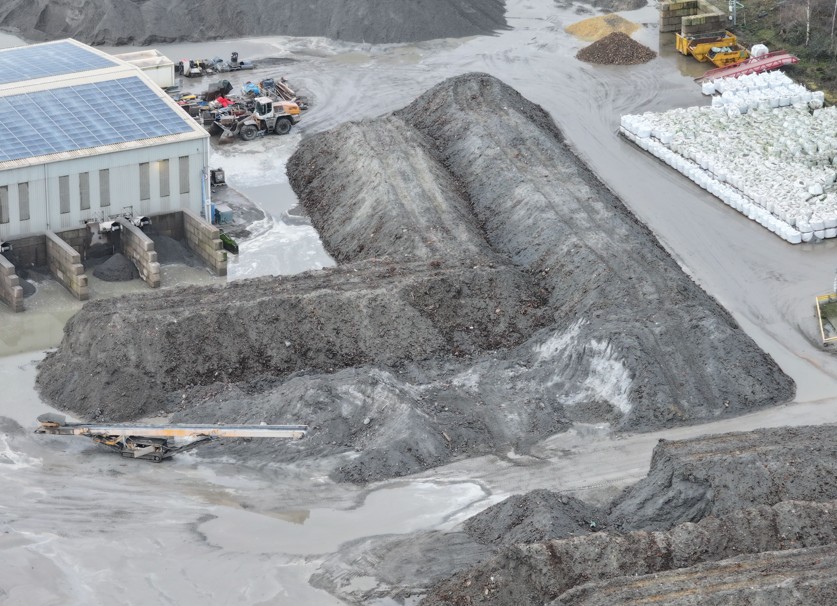
The correspondence follows reports that incinerator bottom ash (IBA) was again being stored outside the designated Waste Reception Area (WRA). The move, residents argue, violates planning conditions and environmental permits designed to prevent contamination of soil, water, and air.
Recurring breaches spark concern
Cambridgeshire County Council confirmed a site visit on 4 February 2026, noting that maintenance and repair work within the WRA had necessitated storing IBA outside the permitted area—a repeat of a similar incident in August 2025. The council flagged this as a technical breach of planning permission.
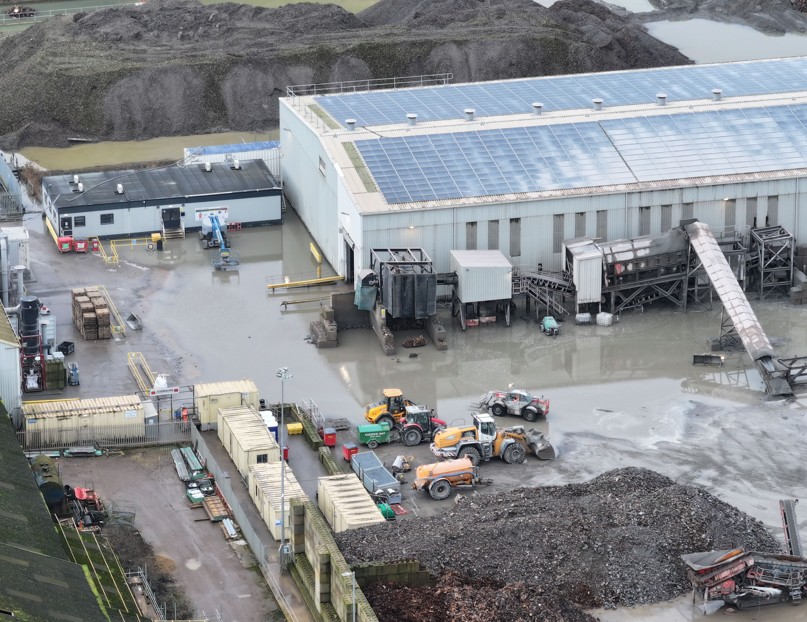
The Saxongate Residents Group warned in their letter that “the recurrence of IBA being kept outside the permitted area within a year raises concerns about the reliability of the facility and its ability to maintain compliance while the WRA is maintained or repaired.”

A spokesperson for Saxongate told CambsNews: “We are particularly worried that what should be a temporary workaround could become an operational norm, undermining the containment conditions that were key assurances when the original planning permission was granted.”
Environmental and health risks under scrutiny
The residents’ letter points to unresolved technical questions dating back to 2025 regarding curing protocols, protection measures for concrete repairs, potential chemical reactions with IBA, and the risk of contamination pathways to groundwater, drainage systems, and nearby lagoons.
“The risks associated with keeping chemically active IBA outside the controlled area are being understated,” the group wrote, noting gaps in monitoring that could obscure chemical and dust hazards.
The Environment Agency has previously described Saxon Pit as not a high-risk PFAS site, despite evidence that incinerator bottom ash can contain PFAS and other persistent pollutants.
The issue gained added attention during a Cambridgeshire County Council Public Health drop-in session held on 4 February 2026 at Manor Leisure Centre.
Residents were briefed on gaps in monitoring highlighted in a UK Health Security Agency (UKHSA) report and were assured that Public Health would work directly with the community on cumulative health impact assessments.
Community response to Public Health drop-in
The Saxongate Residents Group welcomed the session but cautioned that monitoring improvements alone may not address underlying regulatory gaps.
A Saxongate spokesperson said: “For too long, the focus has been on individual sites in isolation rather than cumulative impacts on the community. Improved monitoring is welcome, but it does not replace the need for coherent oversight from planning, environmental, and enforcement authorities.”
The group emphasised that chemical testing of dust has not yet been conducted, and current council policy only considers testing if air quality problems arise and the source is unclear.
“We believe precautionary baseline chemical testing is essential to reassure residents and improve transparency,” the spokesperson added.
Pending expansion heightens urgency
Compounding these concerns are pending applications by Johnsons Aggregates Recycling Ltd to nearly double IBA throughput and introduce outdoor IBA crushing in the same yard area.
Residents questioned how the facility could safely handle higher volumes when compliance challenges exist at current levels.
The residents’ letter to the Environment Agency formally requests:
- Immediate response to the January 2026 notification
- Answers to technical questions from August–September 2025
- Clarification on whether repeated storage outside permitted areas constitutes permit breaches
- Details of any enforcement actions under consideration
- Implications for pending planning and permit variations related to increased production
Regulatory fragmentation fuels residents frustration
The Saxongate group also criticised the fragmented nature of regulatory oversight. Planning, environmental permits, and public health functions often operate separately, leaving gaps in accountability.
While Public Health engagement is seen as a positive step, the group noted that the department has only “soft powers” and is not a statutory consultee on the JARL planning application.
Residents highlighted that key operational and environmental issues, such as water discharge into King’s Dyke, noise, dust, and chemical risks, are often treated as outside the planning process, creating further uncertainty about enforcement.
Global context of PFAS and chemical risk
National and international attention on PFAS and persistent pollutants adds weight to local concerns.
Recent BBC reports and a European policy briefing from Zero Waste Europe call for stronger chemical traceability and monitoring throughout recycling and waste management systems, warning of long-term public health risks if hazardous chemicals are not properly tracked.
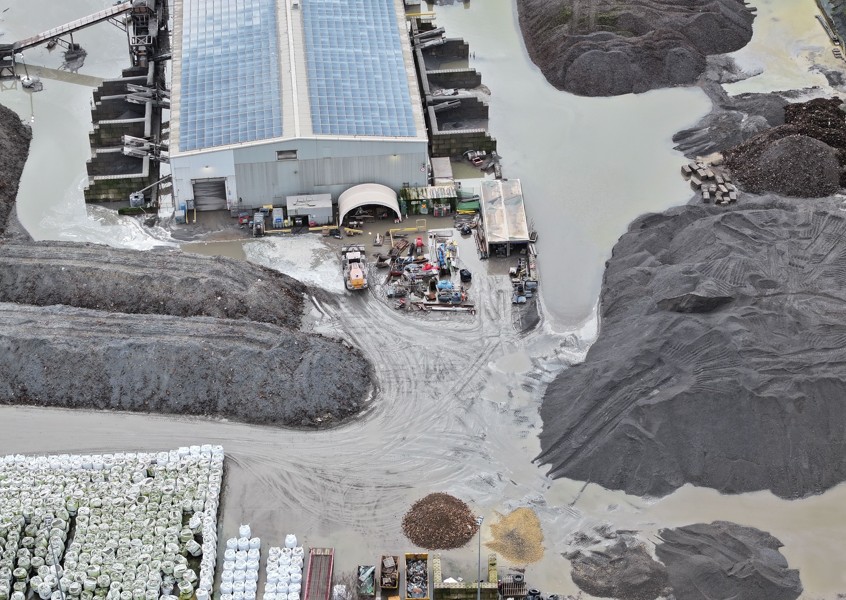
“Given that Saxon Pit handles IBA over a prolonged period and pumps water into King’s Dyke, residents are right to question whether current monitoring is sufficient,” the Saxongate spokesperson said.
Call to action
Saxongate residents have urged the local community to stay informed and involved. The group maintains an active mailing list and stresses the need for vigilance, particularly with planning meetings and Environment Agency decisions on water pumping permits described as “imminent.”
The residents group concluded: “We will continue working with authorities to push for the best possible outcomes for our community.
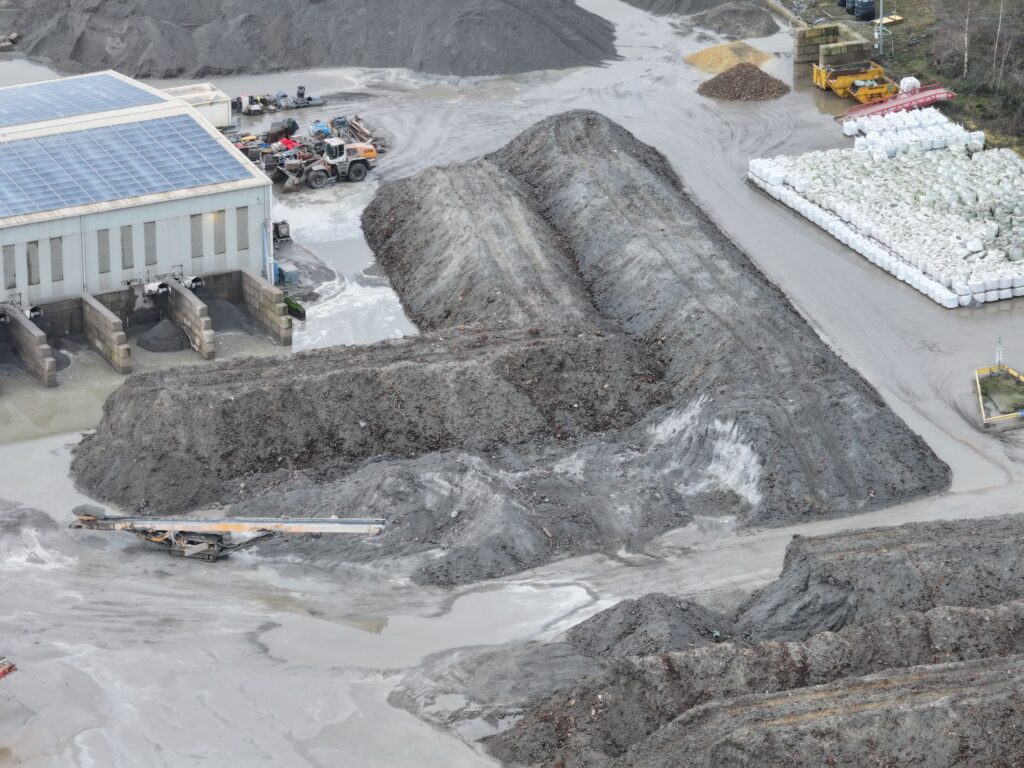
“But our message is clear: transparency, rigorous monitoring, and enforcement are essential to protect public health and environmental integrity.”
EDITOR’S NOTE: Many thanks to the Whittlesey resident who provided the photographs for this article. We are very grateful.