

The family of Luke Barnes have called for urgent improvements to patient safety, transparency and investigative procedures following the conclusion of an inquest into his death at Royal Papworth Hospital NHS Foundation Trust at Cambridge.
Luke died nearly three years ago while receiving treatment at the specialist heart and lung centre. He had been supported by a BIVAD (Biventricular Assist Device), a form of mechanical circulatory support. The inquest examined how an essential component of that life-sustaining system — the aortic cannula tubing — became disconnected.
Despite detailed questioning by the Coroner and legal representatives, the Trust was unable to provide any explanation for how the tubing detached.
Critical evidence lost
Represented by Rothera Bray’s Serious Injury team, Luke’s family endured what they describe as a long and distressing search for answers.

The Coroner heard clear expert evidence that the tubing system is designed to be secure and robust and could not have been accidentally dislodged by routine patient movement.
However, a major line of inquiry was permanently closed after the medical device involved was discarded.
Regulatory requirements state that equipment linked to a catastrophic “never event” should be retained for investigation. Evidence heard during the inquest suggested the Trust did not have a clear understanding of its reporting and investigative obligations, resulting in the disposal of the tubing before independent examination could take place.
Without the physical evidence, the Coroner concluded that the precise cause of the disconnection could not be identified.
For Luke’s family, that finding leaves a painful void.
Blood loss and monitoring concerns
The inquest revealed that by the time the disconnection was discovered, Luke had already lost a significant proportion of his circulating blood volume. One nurse told the court she observed no blood flow in the aortic cannula tube at the point of disconnection.
Two days earlier, Luke’s tubing had developed a blood clot, requiring suctioning during a routine circuit change.

It also emerged that the Trust does not routinely monitor tube pressure in patients supported by a BIVAD device, relying instead on flow rate and pump revolutions per minute — a practice that prompted further scrutiny during proceedings.
Concerns raised during the hearing extended beyond a single incident, touching on broader issues of governance, accountability and serious incident management.
‘Luke is not a case — he is my husband’
Following the inquest, Luke’s widow, Isobel, spoke publicly about her husband’s life and legacy.
“Luke was my love, my safest place and my greatest joy, my best friend and my home,” she said. “Being married to him was a privilege I will carry with me for the rest of my life.”
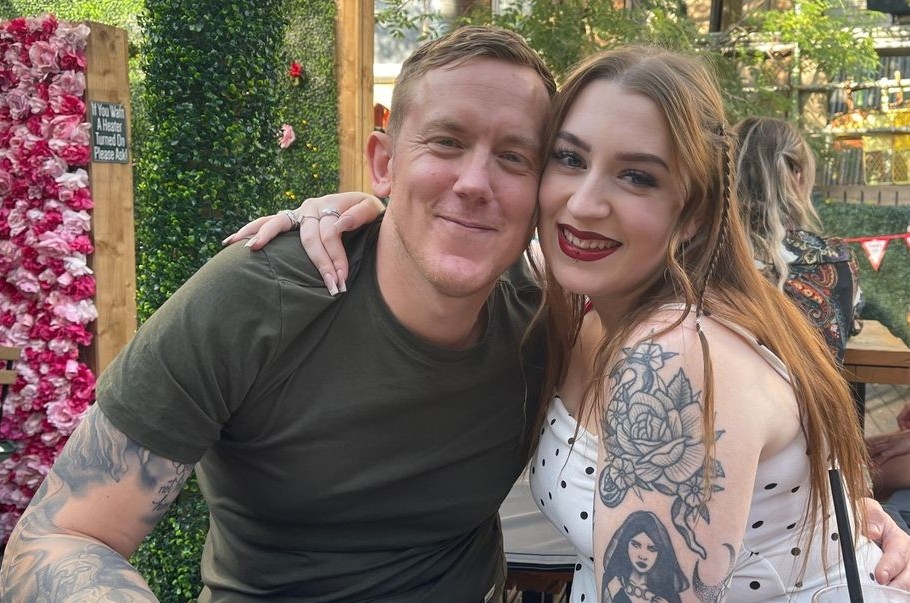
She described him as an incredible father whose family was “the centre of his universe”, with an infectious laugh and a wicked sense of humour that could lift the heaviest moments.
“The inquest may be over, but our grief is not,” she said. “Luke is not a case, a conclusion or a headline — he is my husband, a father, and a treasured and missed family member and friend.”
Call for reform
Abagail Clarke, a solicitor in Rothera Bray’s dedicated inquest team, said the family’s focus is now on ensuring meaningful change.
“The issues highlighted during the inquest raise significant concerns about the Trust’s investigative processes and must prompt urgent review and reform,” she said.
The family have asked for privacy as they continue to process their loss — but say they hope lessons will be learned to prevent another family facing the same tragedy