
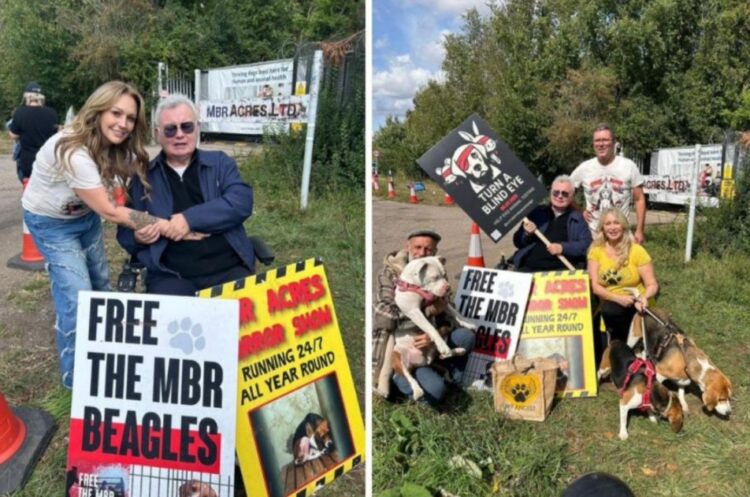
Animal rights group Camp Beagle has raised the alarm over a proposed change to the Public Order Act 2023, warning it could criminalise peaceful protests against animal testing across the UK.
The group, based outside MBR at Wyton near Huntingdon, says the move represents a direct threat to public scrutiny of laboratories, pharmaceutical companies, and university research facilities where live animals are used.
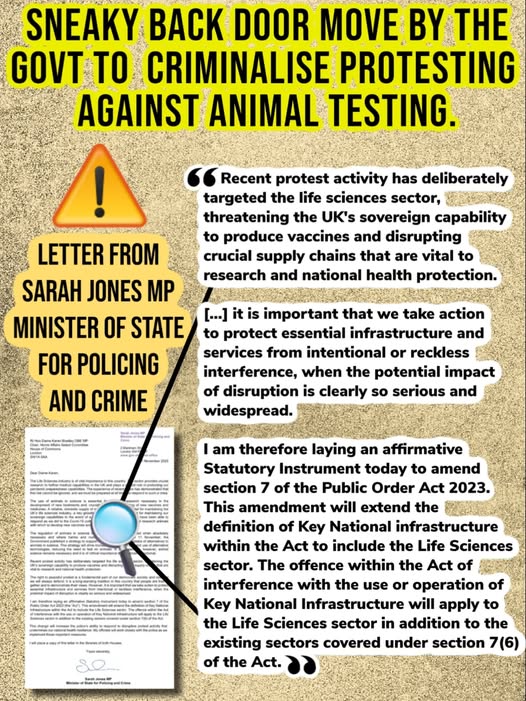
The warning comes after Minister of State for Policing and Crime, Sarah Jones, sent a letter to Dame Chi Onwurah, Chair of the Science, Innovation and Technology Committee, confirming plans to amend Section 7 of the Public Order Act 2023.
The change would add the Life Sciences sector to the list of Key National Infrastructure (KNI), a designation previously reserved for roads, rail, airports, harbours, oil and gas, onshore electricity generation, and newspaper printing.
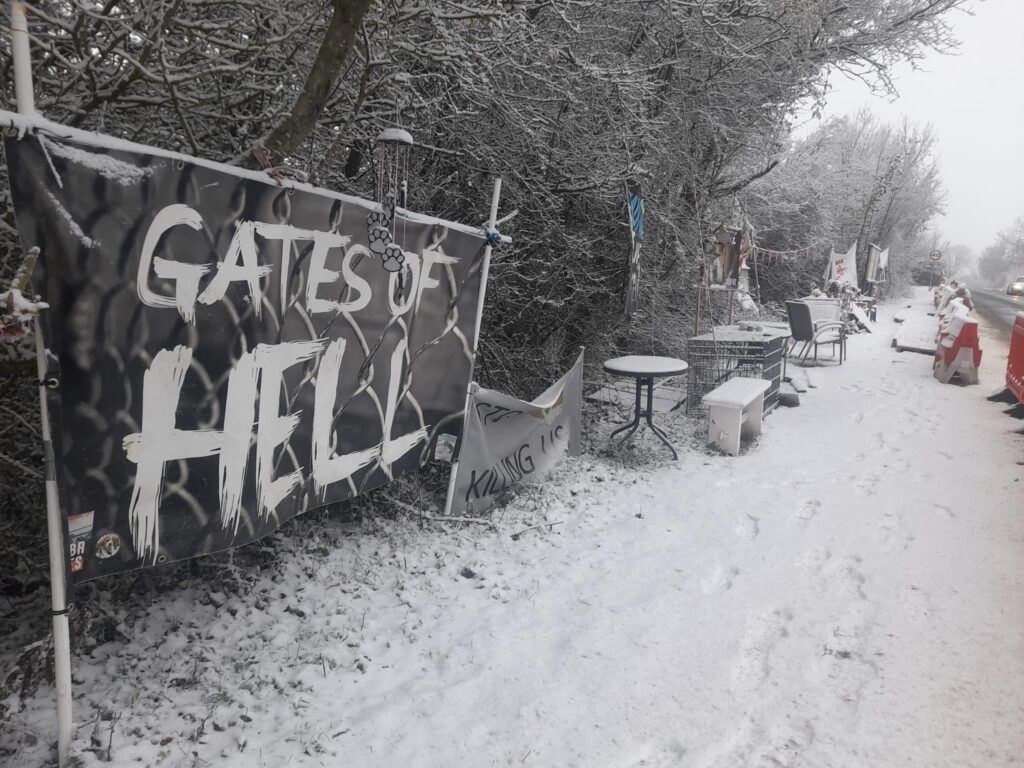
Camp Beagle warns that the consequences could be severe for activists.

“The government is ready to criminalise protesting against animal testing, just like they did 20 years ago,” said a spokesperson.
“They are getting ready to alter the Public Order Act 2023 to ensure animal testing facilities are not open to public scrutiny. This is about protecting an industry, not protecting the public.”
The amendment would make it a criminal offence to interfere with the operations of Life Sciences facilities, including acts that “prevent or significantly delay” research. Those convicted could face up to 12 months in prison, an unlimited fine, or both.
Camp Beagle highlights that this extends to contract laboratories, pharmaceutical companies, animal breeding sites such as MBR, and university research facilities, including the Royal Veterinary College. The group warns that even small-scale, peaceful protests could be treated as criminal interference.
The government’s rationale, according to the letter, is to protect the UK’s public health resilience and “sovereign capability” to produce vaccines and medicines.
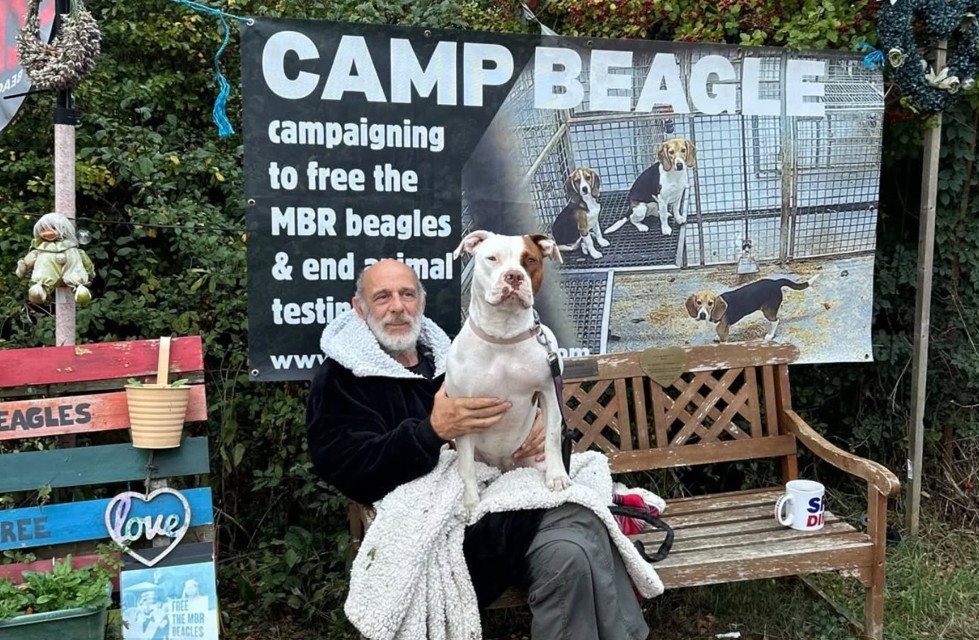
The letter cites experiences from the Covid-19 pandemic, when access to research animals was deemed essential for rapid vaccine development.
Sarah Jones states that the amendment is intended to give police increased powers to respond to “disruptive protest activity” without undermining the right to peaceful protest.
However, Camp Beagle and civil liberties experts argue that the change is a dangerous precedent.
“By defining animal research facilities as Key National Infrastructure, the government is effectively placing them beyond lawful public scrutiny,” the group says. “This is not just about protests; it is about shielding the sector from accountability.”
Animal rights groups also point out that the amendment targets only the Life Sciences sector, the part of science that uses live animals, rather than research or technology more broadly.
“This is a deliberate signal that facilities using animals are untouchable,” Camp Beagle warns.
The move comes alongside a government strategy, published on 11 November 2025, promoting alternatives to animal testing, including investment in non-animal technologies.
Critics say this focus on protecting existing animal research facilities with criminal penalties undercuts that strategy, by making protests against the sector increasingly risky.
Legal experts note that the law’s wording is deliberately broad. Anything that “significantly delays” operations could be considered an offence, creating uncertainty for campaigners. Peaceful demonstrations may be caught up in the law if authorities interpret them as obstructive.
In Cambridgeshire, home to several major universities and life sciences research facilities, the proposed amendment has caused alarm among local animal rights campaigners. They fear that ordinary citizens advocating for transparency and animal welfare could face criminal charges for voicing concerns outside laboratories.
As the statutory instrument moves toward Parliament, Camp Beagle urges MPs and the public to consider the broader implications.
“This is about much more than protests,” the group warns. “It is about ensuring the public can continue to question and scrutinise practices that affect animals. Without oversight, unethical experimentation could go unchecked.”
The amendment has not yet been debated in Parliament, but if approved, it could transform the legal landscape for animal rights activists, raising urgent questions about the balance between public health priorities, scientific research, and democratic freedoms.
Camp Beagle says it remains “the one and only 24/7 protest camp that’s outside the gates of MBR …we’ve never left since the summer of 2021. Come to Camp PE28 2DT”.
It also urges supporters to sign their lates petition: https://petition.parliament.uk/petitions/736578
(Images used in this article courtesy of Camp Beagle)