
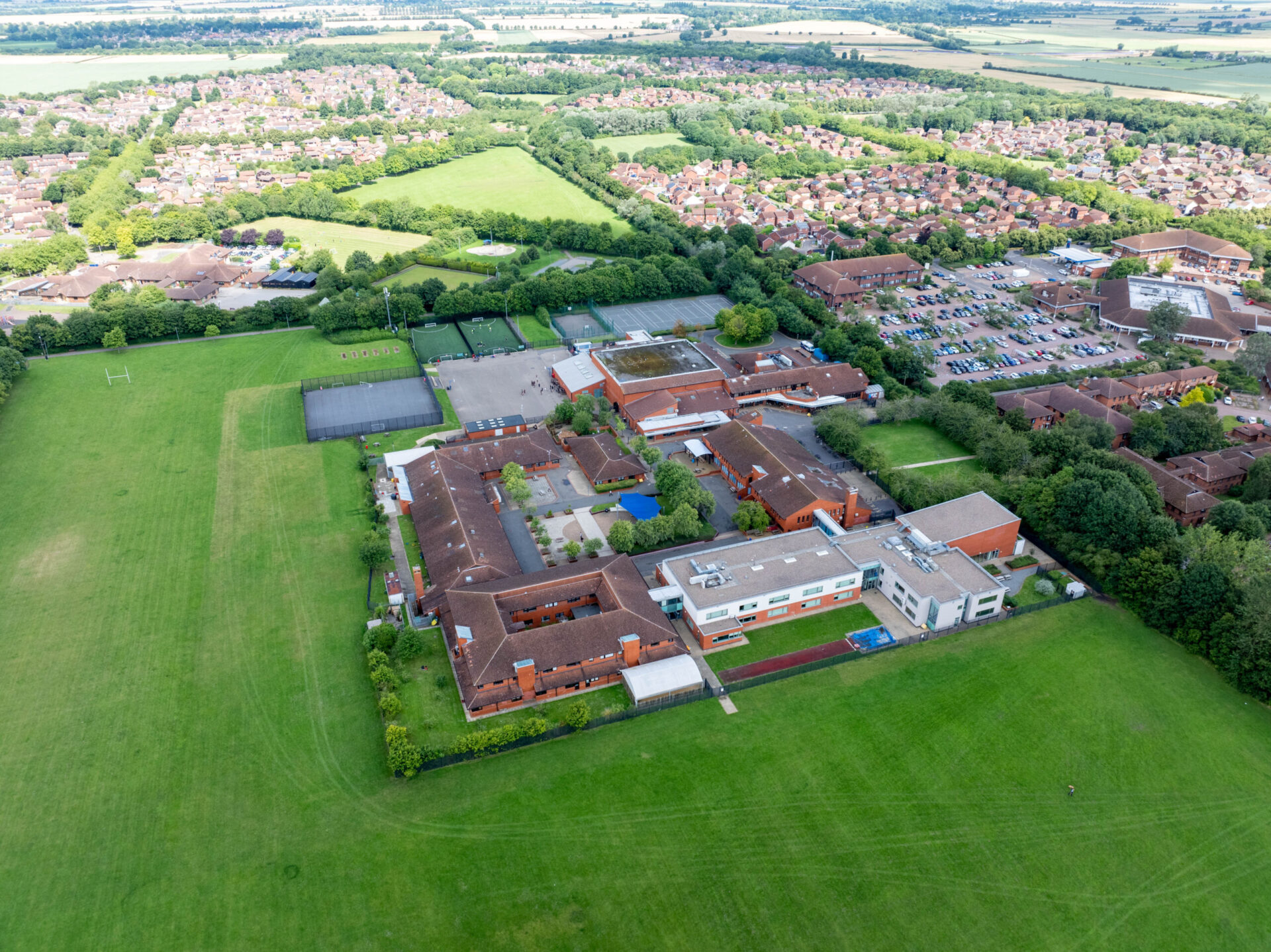
A long-running and deeply divisive dispute over the future of Werrington Fields is approaching its final chapter, with Peterborough City Council preparing to make a decisive move that could finally settle years of wrangling, legal action and political infighting.
At the heart of the row is a plan to fence off land at Ken Stimpson Academy—land that has been used informally by the public for decades but which the school says it cannot safely use without proper security measures in place.
Now, with a crucial Cabinet meeting scheduled for March 24, council leaders are signalling that a resolution is within reach. Behind the scenes, negotiations with the 4Cs Academy Trust have concluded, and a deal is on the table that aims to balance safeguarding concerns with continued public access.
But as the finish line comes into view, tensions have erupted once again—this time spilling into a public war of words between senior political figures, with local elections just weeks away.
A compromise forged after years of deadlock

The proposed agreement represents the most concrete attempt yet to resolve a dispute that has dragged on for years and even escalated to the High Court.
Picture: Terry Harris
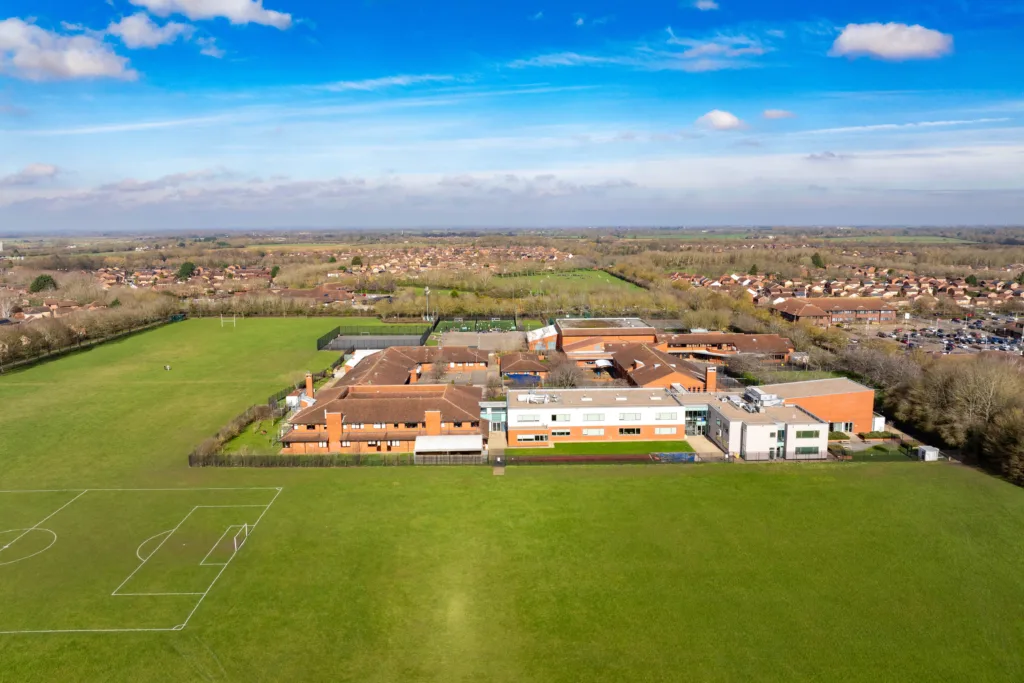
Under the plan, the council will lease the core playing field area—known as Area C—to the 4Cs Academy Trust, while retaining a surrounding strip of land for continued community use. A new Community Use Agreement (CUA) will also formalise access to the playing fields outside school hours.
The arrangement follows months of negotiations after earlier attempts to divide the land collapsed, prompting the academy trust to launch judicial review proceedings in June 2025.
Those proceedings raised the stakes significantly. The High Court granted permission for the case to proceed, exposing the council to potential costs of between £100,000 and £150,000 if it lost—plus the trust’s legal fees.
Faced with that risk, Cabinet members voted in October last year to seek a settlement rather than continue with litigation. A stay on proceedings was granted, allowing time for talks to continue.
Now, according to the council, those negotiations have “concluded successfully”.
If Cabinet signs off the deal next week, the judicial review will be withdrawn, bringing an end to one of the most contentious local authority disputes in recent years.
Fencing plans move closer to reality
One of the most controversial aspects of the entire saga—the installation of fencing—will go ahead if the recommendations are approved.
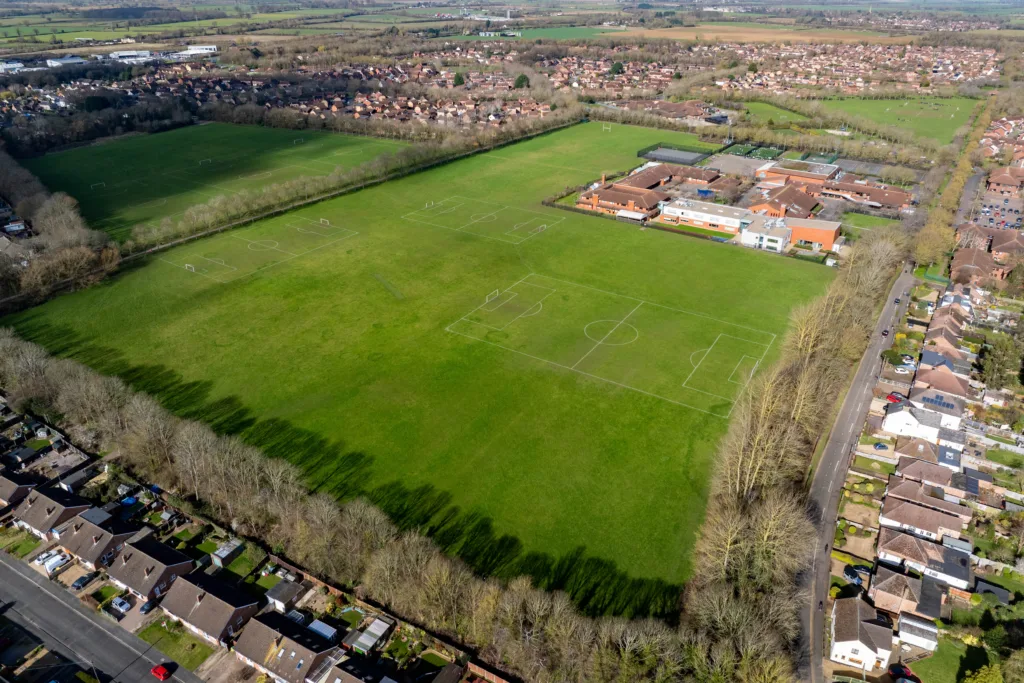
The proposed fence will stand at two metres high and will separate the leased school land from the retained public buffer zone. The council has already purchased fencing materials, which have been sitting unused in storage pending a decision.
Picture: Terry Harris
Once approval is granted, that fencing will finally be installed, although additional sections will need to be bought to complete the enclosure.
The academy trust is expected to contribute £20,000 towards the cost, with the council covering the remaining balance.
For the school, the fence is seen as essential. Safeguarding concerns have meant the land has not been used for physical education since around 2019, making Ken Stimpson the only school in the city without secured playing fields—and one of only a handful nationwide.
Councillor Katy Cole, Cabinet Member for Children’s Services, made clear the urgency of the situation.
“After many years of procrastination, we are close to being able to agree a way forward,” she said.
“It is so important, for the children of the school, that we do not allow any further delay.”
Community use remains a flashpoint
Despite the progress, the issue remains highly sensitive—particularly among local residents who have long used the fields for recreation.
Public opposition has been strong and sustained. When proposals were advertised in late 2024, the council received 232 responses, many of them objecting to the loss of open space.
Residents argued that the land had been a shared community asset since the school opened in 1982, providing vital green space for walking, dog exercise and informal leisure.
The new proposal attempts to address those concerns by retaining a perimeter strip—ranging from 10 to 20 metres wide—around the fenced area. This buffer zone will remain accessible to the public, allowing people to continue walking around much of the site.
In addition, the Community Use Agreement will guarantee access to the playing fields at specified times, including evenings and weekends.
Councillor Cole said the approach aimed to strike a balance.
“The proposed approach will allow pupils to once again access the outdoor space, whilst also attempting to balance the needs of residents by allowing a sizeable strip of land to remain in community use,” she said.
Political tensions boil over
Yet even as a compromise emerges, the political atmosphere surrounding the issue has grown increasingly heated.
In a strongly worded social media post, council leader Shabina Asad Quayyum urged critics to hold back judgment ahead of the Cabinet decision.
“Wait for next week’s decision rather than jumping to conclusions please,” she wrote, directing her comments at “those politicians who are using this as political cannon fodder when there is a community who genuinely have concerns, for clarity”.
She reserved particular criticism for the region’s combined authority mayor.
“Especially our combined authority mayor (Paul Bristow) who has done one of his all singing, all dancing videos, cheerfully animated without the full facts of course. I’ve saved a video for my entertainment uses later.
“Watch this space.”
Her remarks came in response to a video posted by Paul Bristow, the former MP for Peterborough and now Mayor of the Cambridgeshire Peterborough Combined Authority.
In his post, Bristow defended his continued support for campaigners opposing the fencing.
“Why do I still support this campaign?” he wrote.
“The community have been through the ringer, lied to and gaslit. Councillors and Council officers repeatedly said nothing could be done or that it was the Government’s fault. They were wrong. It is and always has been a decision for local councillors.”
He also criticised councillors who he claimed had backed away from their earlier support for residents.
“Local Independent councillors – and Lib Dems – who professed to support the campaign have now backed away, some serve on the Labour led Cabinet – but all back the administration who are pushing this through.”
Perhaps most pointedly, Bristow raised concerns about the terms of the proposed agreement.
“I am now hearing that they are willing to sign a deal with the Academy Trust without having the terms of the community use agreement (CUA) already in place. If they do this and don’t engage with residents – they lose all leverage…. How ridiculous.”
Elections cast long shadow
The timing of the decision has added an extra layer of political sensitivity.
With local elections due in May, the council is under pressure to bring the issue to a close—both to avoid further controversy and to demonstrate progress on a long-standing problem.
The dispute has repeatedly resurfaced in council meetings, scrutiny sessions and public debates, becoming a lightning rod for wider concerns about transparency, decision-making and community engagement.
Cabinet hands final decision on Werrington over to all 60 Peterborough city councillors
Now, with a viable agreement on the table, there is a clear determination within the administration to “wrap up” the issue before voters head to the polls.
At the same time, opposition figures are keen to highlight what they see as failings in the council’s handling of the case—ensuring the row remains firmly in the political spotlight.
A complex history of delays and reversals
The path to this point has been anything but straightforward.
Since the school’s academisation in September 2023, the issue has moved repeatedly between different decision-making bodies, with proposals delayed, revised or withdrawn altogether.
An early attempt to divide the land was blocked when the Department for Education refused consent. Later decisions were called in and scrutinised, while a key item was dramatically withdrawn from a full council meeting in January 2025 following last-minute correspondence.
In March 2025, councillors approved a revised approach in principle, but negotiations with the academy trust ultimately broke down—triggering the judicial review.
The legal challenge forced both sides back to the negotiating table, culminating in the current proposal.
What happens next
All eyes are now on the Cabinet meeting on March 24.
Members will be asked to approve:
- A lease of the playing fields to the 4Cs Academy Trust
- Retention of a perimeter buffer for public access
- A new Community Use Agreement governing out-of-hours use
- Installation of two-metre fencing
- Settlement and withdrawal of the High Court judicial review
If the recommendations are agreed, the council will move quickly to finalise the legal arrangements and begin installation of the fencing.
End of a long-running saga
After years of argument, uncertainty and escalating conflict, the Werrington Fields dispute appears to be entering its final phase.
The proposed deal does not give either side everything it wanted. But it offers a compromise—one shaped as much by legal realities and financial risks as by community pressure and political calculation.
Whether it will satisfy residents, campaigners and politicians alike remains to be seen.
For now, as the council leader put it: “Watch this space.”