
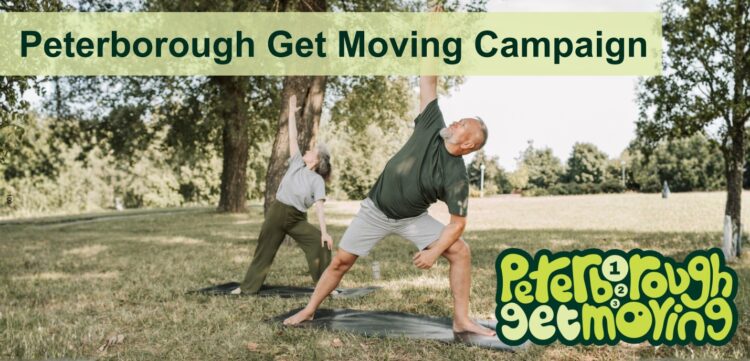
Peterborough is being urged to “spring into action” as a major new public health report warns that too many residents are spending increasing portions of their lives in poor health – and that physical inactivity is a key driver.
The Director of Public Health Annual Report 2026, Spring into action: the race to get Peterborough moving, sets out a stark but hopeful assessment of the city’s health.
While Peterborough is described as “a special place, rich in natural beauty, community spirit, and opportunity,” the report makes clear that declining levels of everyday movement are contributing to worsening health outcomes and widening inequalities.
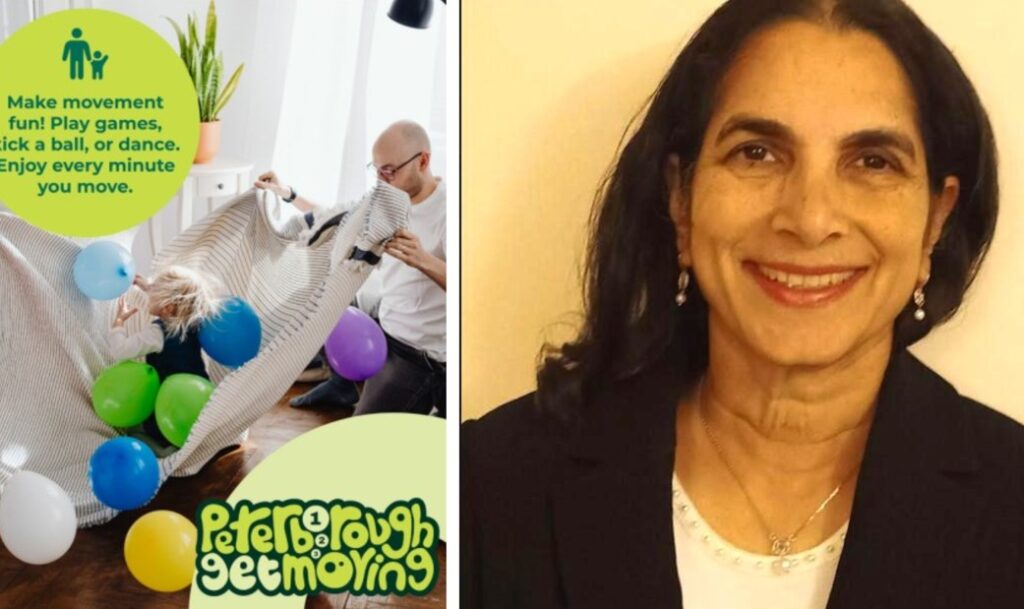
Introducing the report, Dr Raj Lakshman, Director of Public Health for Peterborough City Council, says it is her first annual report in the role and that the focus on physical activity was a deliberate choice.
“Physical activity is about movement in all its forms, not just sports or the gym,” she writes. “This includes walking, gardening, playing with children, or simply breaking up long periods of sitting.”
Healthy life expectancy falling
One of the most troubling findings highlighted in the report is the sharp decline in healthy life expectancy in Peterborough. While people are living longer overall, the number of years spent in good health has fallen significantly since 2014.
Men in Peterborough can expect around 55.6 healthy years, and women around 55.2, which is five to six years fewer than the average for similar local authorities. The report links this trend to high levels of preventable disease, particularly cancer and cardiovascular disease, which remain the leading causes of death locally.
Dr Lakshman stresses that this is not inevitable.
“We are determined to add healthy years to every life,” she says. “Physical activity is one of the most powerful tools we have, and its benefits start today at any age.”
One in three adults still inactive
Around two‑thirds of adults in Peterborough are classed as physically active, broadly in line with national averages. But the report warns that this still leaves one in three adults missing out on the protective benefits of movement.
Among children, fewer than half meet recommended activity levels, and activity drops sharply with age. Only around 30 per cent of residents aged 75 and over are sufficiently active, increasing the risk of falls, frailty and loss of independence.
The report also exposes deep inequalities. Women are less active than men, people in more deprived neighbourhoods are more likely to be inactive, and there is a significant gap between people with long‑term conditions or disabilities and those without.

“These patterns matter,” the report notes, because inactivity is closely linked to the same communities already experiencing poorer health and shorter healthy lives.
Inactivity is the bigger risk
A central theme running throughout the report is the idea that doing nothing is often more harmful than sensible movement.
Citing national guidance, the report repeats a line that has become a rallying cry for public health professionals: “If physical activity was a drug, it would be considered a miracle cure.”
Dr Lakshman is clear that physical activity is not about perfection or extreme fitness.
“The evidence is clear: some activity is good, more is better,” she writes. “While not a replacement for medical treatment, physical activity is one of the most effective, low‑cost, fun ways to reduce risk and improve health outcomes across the life course.”
The report highlights that regular movement can reduce the risk of early death by around a third, halve the risk of cardiovascular disease, lower the risk of several cancers, and significantly improve mental wellbeing.
The hidden danger of sitting still
The report also draws attention to a modern but often overlooked health risk: sedentary behaviour.
Long periods of sitting – at desks, in cars or at home – are linked to poorer blood sugar control, higher blood pressure, worse mental health and increased dementia risk, even among people who exercise occasionally.
“Some activity is good, and more is better. This is something we will keep coming back to,” the report states, urging residents to break up long periods of sitting with short bursts of movement wherever possible.
Barriers are real – and recognised
Crucially, the report avoids blaming individuals. Instead, it openly acknowledges the barriers many people face, including cost, lack of time, health conditions, fear of injury, and social or cultural norms.
Dr Lakshman recognises these challenges directly: “I recognise that becoming more active is not always easy. Barriers such as cost, time, health conditions, and social norms can make it difficult to get started.
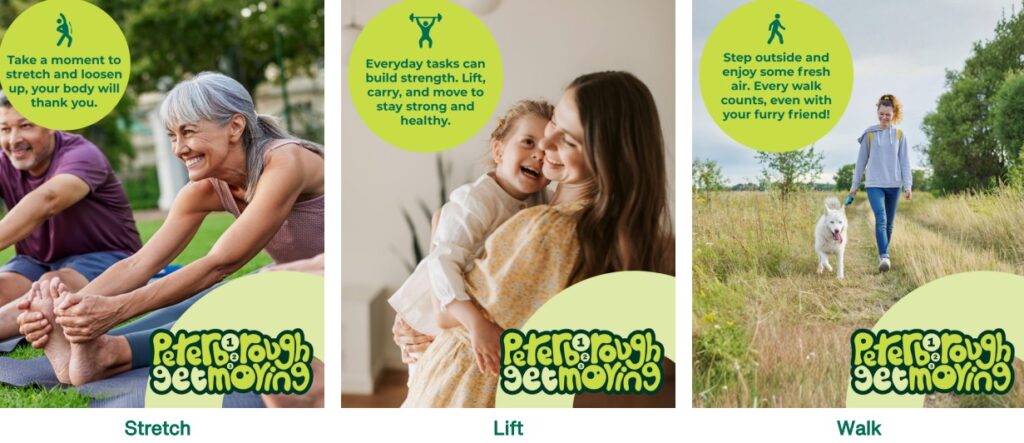
The report repeatedly emphasises that small, achievable changes are both realistic and effective.
“Aim for good enough, not perfect,” it advises. “You don’t need to reach the activity guidelines on your first day.”
Local success stories show what works
Despite the scale of the challenge, the report is firmly optimistic, pointing to successful local initiatives already making a difference.
Women‑only badminton sessions at Jack Hunt School helped ethnically diverse women overcome confidence and cultural barriers. An all‑girls programme, empowHER, improved confidence and mental wellbeing, with most participants saying they wanted to continue being active.
Unpaid carers taking part in the Fit for Life Carers Programme reported lower stress, better sleep and increased physical activity, while GP‑based exercise programmes at Thistlemoor Medical Centre helped patients lose weight, manage diabetes and rebuild confidence.
These case studies share a common theme: activities that are welcoming, affordable, socially supportive and tailored to real lives.
Mental health benefits are central
The report also highlights strong evidence linking physical activity with improved mental health. Regular movement is shown to reduce symptoms of anxiety and depression, improve sleep, boost self‑esteem and strengthen social connections.
Group activities and outdoor exercise appear especially beneficial, combining movement with social contact and access to green space – something Peterborough is particularly well‑placed to offer.
A city with growing opportunity
Dr Lakshman points to significant investment in local facilities and infrastructure, saying opportunities to be active are increasing.
“With all the investment coming into Peterborough through Pride in Place, new swimming pool and sports facilities, the opportunities to get active are increasing,” she says. “Together, we can make Peterborough a city where everyone has the chance to live healthier, happier, and more active lives.”
The call to action
Rather than calling for radical new systems, the report urges a shift in mindset – away from sport as an elite activity, and towards everyday movement as a normal part of life.
Dr Lakshman’s message to residents is simple and inclusive: “You do not need to read every page. Instead, pick what helps you become more active or motivate someone else to do so.”
And above all, she encourages people to start – no matter how small the step.
“The important thing is to start incorporating more movement into your day and sticking with it.”
(This article is based exclusively on the Director of Public Health Annual Report 2026, Spring into action: the race to get Peterborough moving, authored by Dr Raj Lakshman, Director of Public Health, Peterborough City Council, with contributions from the council’s public health and partner organisations).