
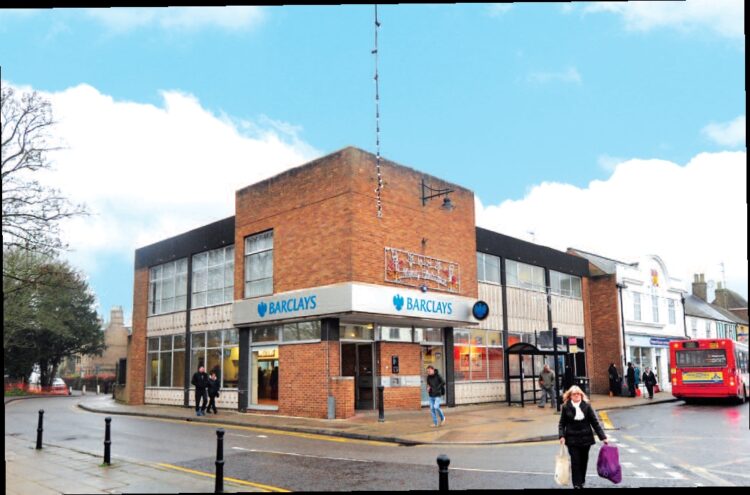
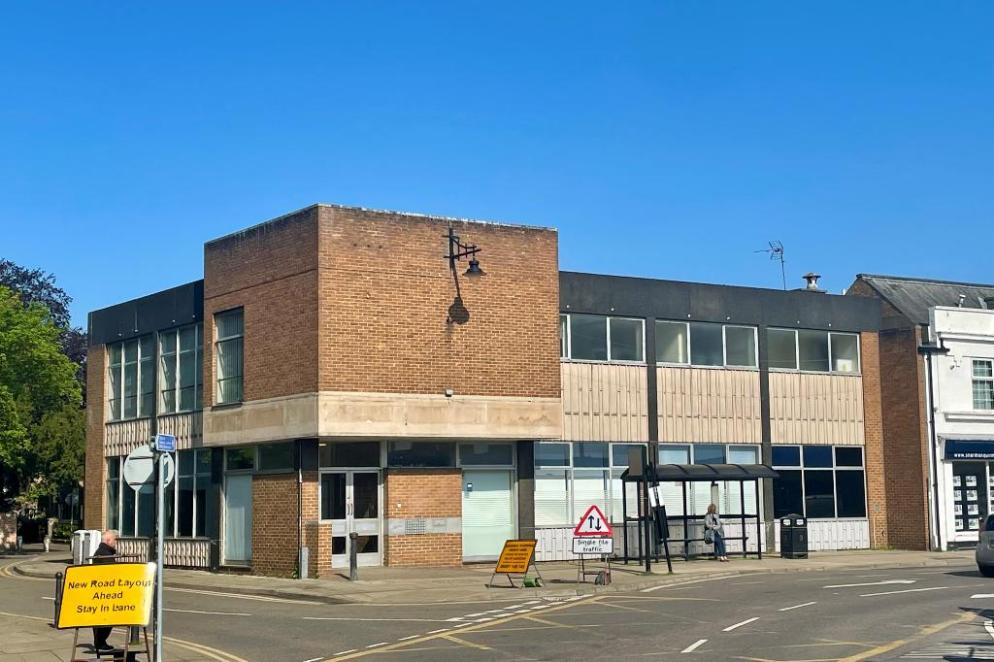
By the time the sales brochure landed on agents’ desks, the old Barclays Bank on Broad Street had almost vanished. The freehold site at 2 Broad Street, March — measuring just under 0.2 acres and sitting at one of the town’s most prominent junctions — is being marketed for £295,000 by Eddisons Commercial and Maxey Grounds. It is described as a “rare opportunity” with flexible planning potential, ready for redevelopment.
What the glossy brochure does not spell out is that the land was bought by Fenland District Council for £750,000 just two years ago, using money from the Government’s Future High Streets Fund — and that tens of thousands of pounds of additional public money have since been spent demolishing the building.
The gap between those figures has prompted an increasingly uncomfortable question for residents and observers alike: was it worth it?
From “fantastic opportunity” to fire sale?
When Fenland District Council announced the purchase of the former Barclays Bank in 2023 (it had been vacant for two years), the language was bullish.

The acquisition was framed as a decisive step in the regeneration of March town centre — a way to secure a prime riverside site, prevent long-term dereliction and unlock a “fantastic opportunity” for mixed-use development.
“This is an exciting step in the regeneration of March,” said Cllr Steve Count at the time, describing the purchase as a key moment in revitalising the high street. Fellow councillor Jan French called it “a defining step” that would deliver long-term benefits for residents.
The £750,000 purchase price came from a £1.7 million slice of the council’s £6.4 million Future High Streets Fund allocation — money originally earmarked for a separate redevelopment that was later deemed unviable.
At the time, the logic appeared simple: buy a prominent but vacant building, clear the site, then enable new development aligned with broader public realm improvements along Broad Street and the riverside.
Yet, two years on, the council is now selling the cleared site for less than 40 per cent of what it paid — before demolition, fencing, security and professional fees are even taken into account.
Demolition before a buyer
The decision to demolish the former bank proved far more controversial than its purchase.
Planning officers recommended refusal, warning that flattening the building without a replacement scheme in place would create a “missing tooth” in the heart of the March Conservation Area — sandwiched between the Grade II-listed war memorial and the historic Bank House.
Their assessment was blunt. The building, they concluded, was not in such poor condition that demolition was urgently required. There had been no serious attempt to market it for alternative uses. And there was no guarantee that redevelopment would follow any time soon.
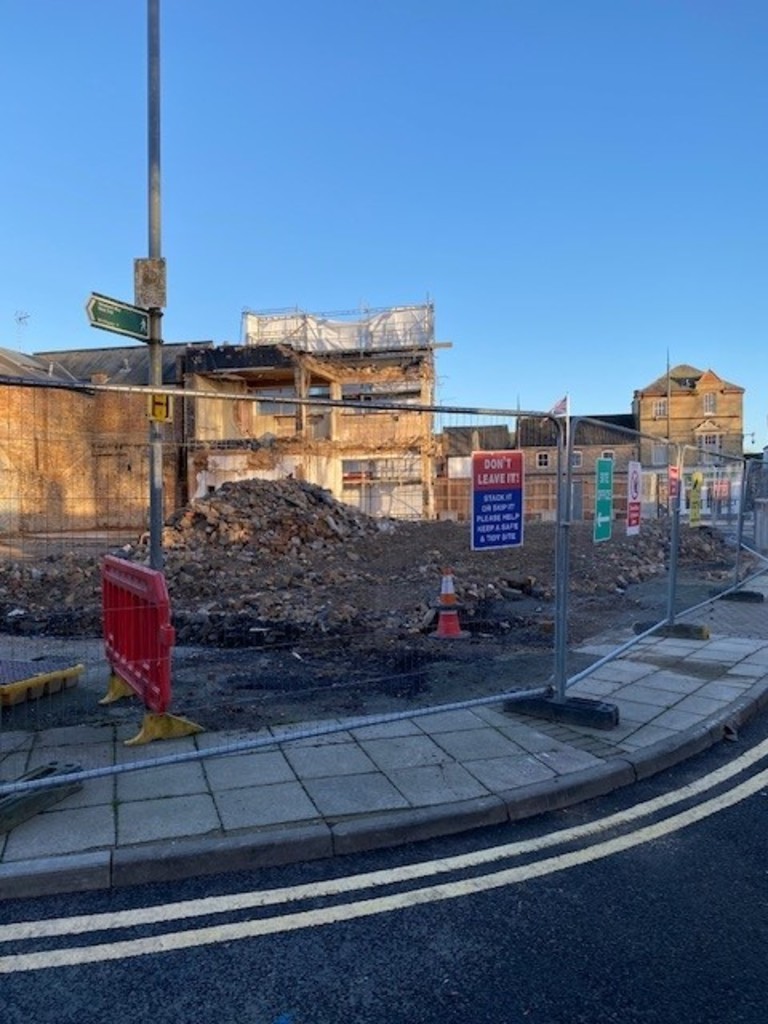
Instead, officers warned, the town risked being left with a fenced-off void — potentially for years — undermining the very regeneration the Future High Streets Fund was meant to deliver.
Despite that advice, councillors unanimously approved demolition.
Supporters described the 1970s brutalist building as a “blot on the landscape”, citing fears over vandalism, anti-social behaviour and security risks if it were left standing. Others argued asbestos within the structure made reuse difficult and deterred potential buyers.
The building was eventually reduced to rubble.
What followed, however, was not the unveiling of a new scheme — but silence.
A vacant site, no timetable
Today, there is no approved development, no named partner, and no clear timetable for rebuilding.
Instead, the site is being offered on the open market, with the council effectively stepping back and inviting private developers to decide its future.
According to the sales particulars, the land benefits from Class E planning use, allowing for retail, office, café, medical, leisure or similar uses. Utilities are believed to be available, subject to checks, and VAT may be payable on the purchase price.
The brochure highlights March’s strategic location, growing population and improved public realm. It speaks optimistically of “new beginnings” and “reshaping the local landscape”.
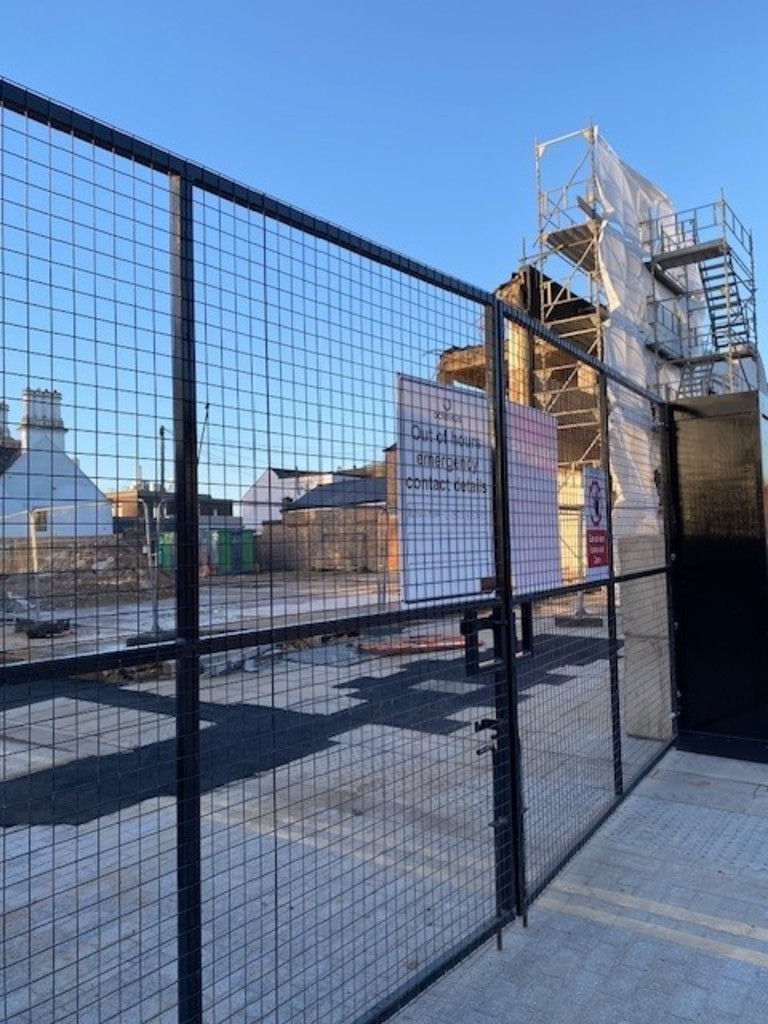
What it does not address is the financial journey that brought the site to this point — nor the risk that the plot could remain undeveloped for a prolonged period while market conditions, funding and planning align.
Even supporters of demolition conceded during the planning debate that there were no guarantees a buyer would come forward quickly.
Public money, public questions
Wherever the funding originated — central government grant or local authority budget — it was all public money.
The Future High Streets Fund was created to revive struggling town centres, support economic activity and deliver visible, lasting improvements. Its use is therefore subject not just to accounting scrutiny, but to public expectation.
Critics argue that buying a building for £750,000, demolishing it at significant cost, then selling the cleared land for £295,000 represents a substantial loss — even before wider opportunity costs are considered.
Supporters counter that regeneration is not a simple balance sheet exercise; that removing an unpopular building unlocked broader public realm works; and that land value alone does not capture long-term benefits.
But with the site now empty, fenced and waiting, those benefits remain largely theoretical.
Could it have been reused?
One of the most persistent questions is whether demolition was ever truly necessary.
Across the UK, former bank buildings — many vacated as high street banking contracted — have been successfully repurposed into cafés, co-working spaces, housing, health facilities and community hubs.
Planning officers explicitly noted that there had been no serious attempt to market the building for reuse before demolition was pursued.
Others pointed out that brutalist architecture, once widely disliked, is increasingly reassessed as part of Britain’s post-war heritage — and that once demolished, such buildings are gone forever.
The council’s own Conservation Area appraisal may have labelled the frontage “negative”, but officers argued that a vacant building was still preferable to a long-term gap in the street scene.
That warning now appears prescient.
The risk of waiting
Even if a buyer emerges quickly, redevelopment will take time: design, planning approval, financing and construction could stretch over several years.
If the market cools, or proposals stall, March could be left with exactly what officers feared — a long-term void in the centre of town, at odds with recent investment in paving, public spaces and heritage assets.
Meanwhile, fencing, security and maintenance will continue to incur costs, however modest, adding to the overall bill.
For residents, the concern is not just financial, but symbolic. After years of disruption from regeneration works, many expected a visible payoff — not an empty plot with a “For Sale” board.
A question that won’t go away
The council insists the sale represents opportunity, not retreat: a chance for the market to deliver a scheme that aligns with local needs, without further public expenditure.
Yet the arithmetic is hard to ignore.
£750,000 to buy.
Tens of thousands to demolish.
£295,000 to sell.
Even allowing for regeneration benefits elsewhere, the numbers raise an unavoidable question about value for money and strategic judgement.
As one planning officer warned during the debate: demolition without a future plan is a gamble.
For now, that gamble is playing out on one of March’s most prominent corners — in full view of residents, traders and taxpayers.
Whether it ultimately pays off remains to be seen.
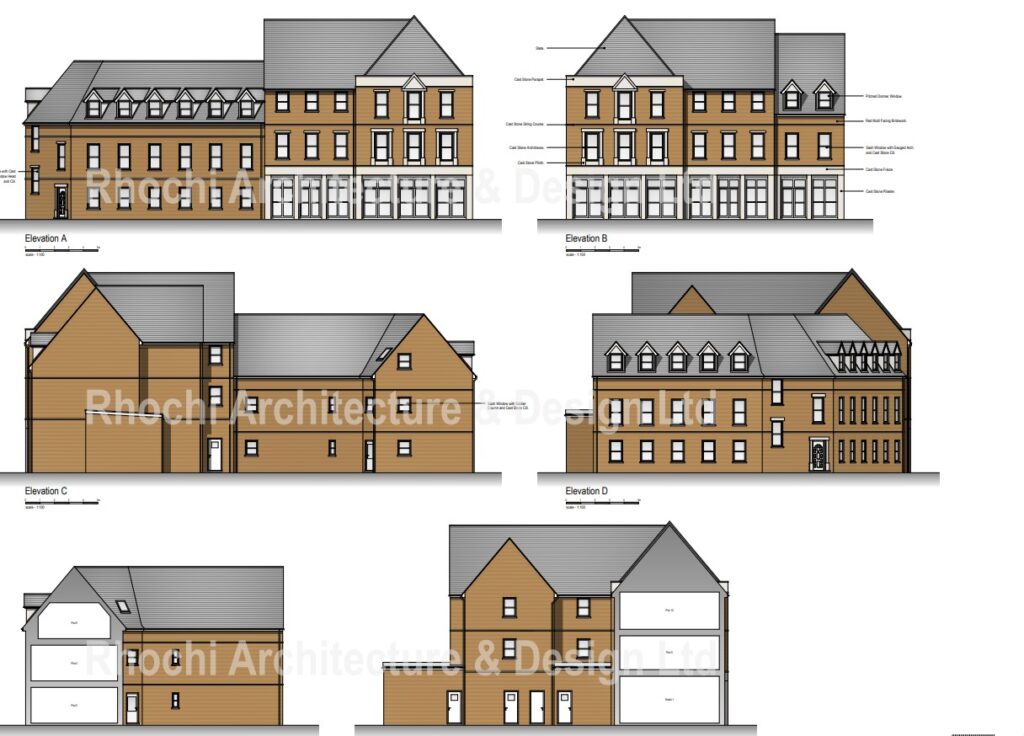
FOOTNOTE: Minutes of a Cabinet meeting of Fenland Council from December 2024, show that “consideration was given to FDC commissioning a design to allow for the submission of a detailed planning consent for the site, a detailed consent being required due the sites’ location within the conservation area.
“The above option including an initial proposal was discussed with both officers the March High Street Steering Group, conservation officer and local developers.
“These discussions highlighted that the prescriptive nature of a full application would be time consuming and costly to FDC and would not guarantee a scheme that would be supported by market demand. It is for this reason that the original proposals were shelved.”