
Plans to significantly expand the Mepal Anaerobic Digester Plant near Chatteris have triggered strong objections from the town council and nearby residents.
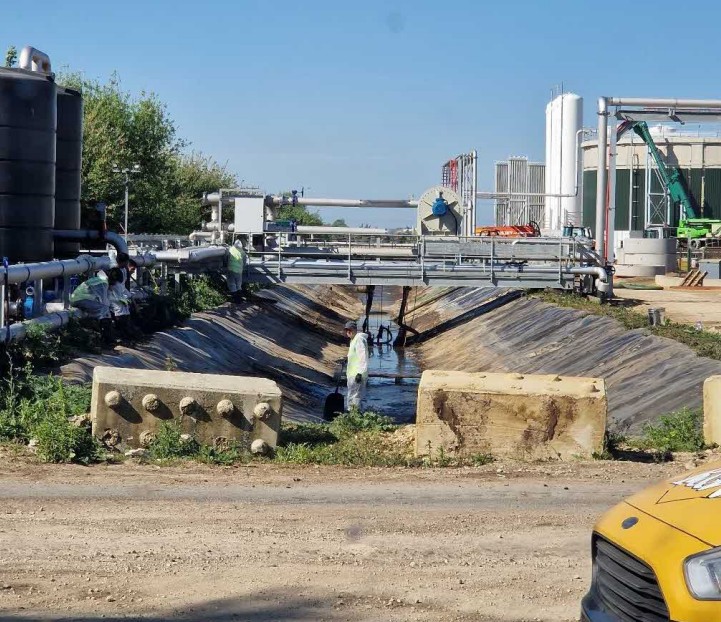
The planning application, submitted to Fenland District Council, seeks permission for a major extension to the existing facility off Iretons Way. The proposal includes the construction of eight new digesters alongside extensive new infrastructure, dramatically increasing the scale and operational capacity of the plant.
According to the application, the development would add four post-digesters with associated technical buildings, two pump buildings, ten feed hoppers, a gas entry unit, two gas upgrade areas, two separation bunkers, a straw processing building, a dry digestate storage building, two flare stacks, a site office and two balancing ponds.
Some elements of the development are described as “part retrospective”.
Chatteris Town Council has lodged a formal objection, describing the proposal as “an enormous extension to a facility which already causes major problems with traffic congestion and filthy roads, which add to the dangers of a red route”.

The council warns that the expansion would intensify existing issues linked to heavy vehicle movements on the A142 and through the town itself.
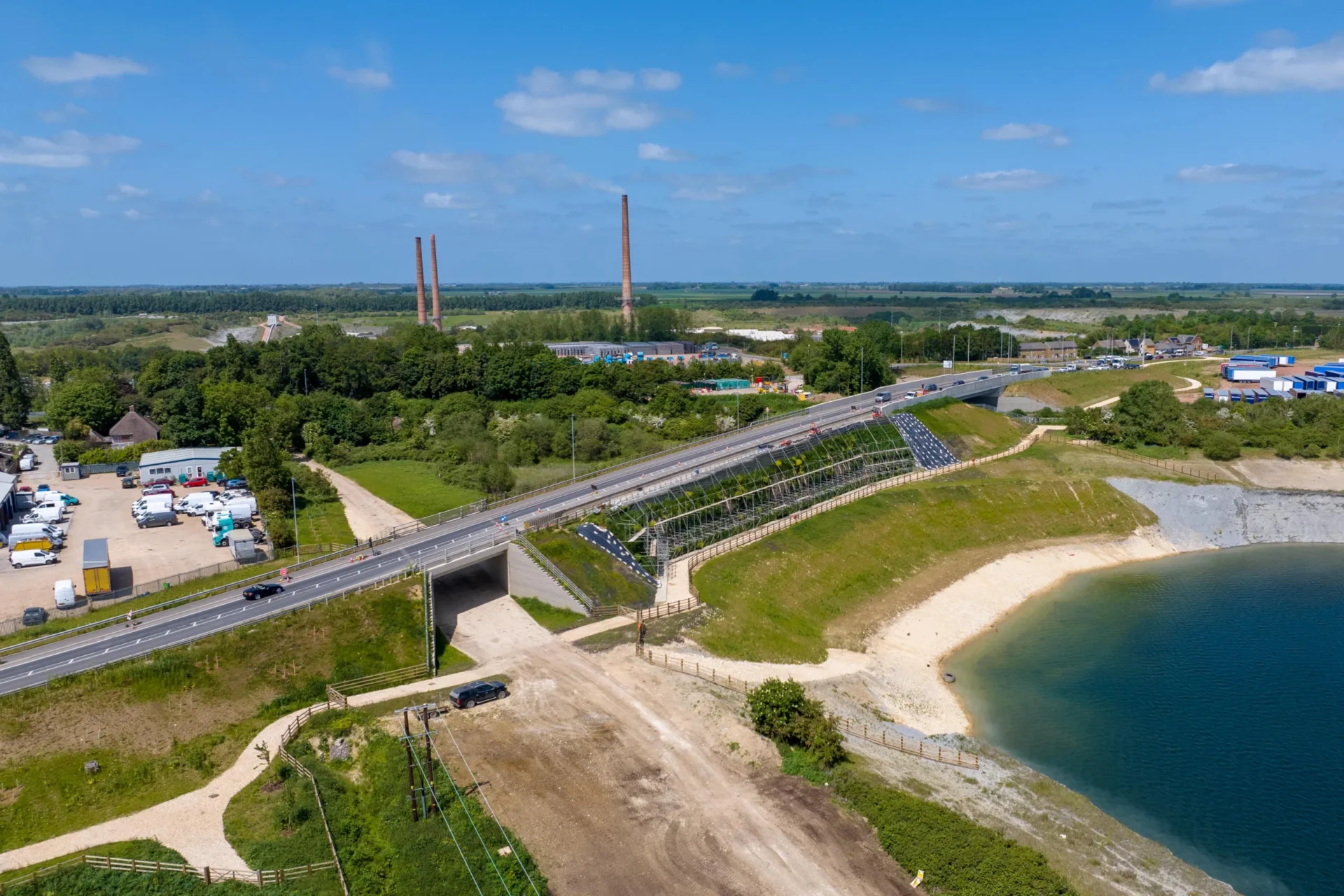
In its submission, the council states that “roads are subsiding under the weight of the large vehicles” and cautions that congestion is likely to increase further once construction begins on a nearby reservoir, compounding pressure on already strained infrastructure.
The frequent movement of tractors and articulated lorries through Chatteris is described as a continuing safety risk for motorists, cyclists, and pedestrians.
Odour remains another key concern. The council notes that “there are continuing problems with odours which are very obnoxious at certain times of the year,” adding that the extension would bring the development closer to Chatteris, meaning “more homes will be affected by the smell”.
It also argues that “current measures to reduce the odours (as promised with the last planning application) do not work and this problem will also be exacerbated with the extension”.
Despite recommending refusal, the council acknowledges that the application is likely to be approved.
In light of this, it is calling for “significant Section 106 contributions for the communities of Chatteris and Manea”, alongside firm mitigation measures. These include more regular road cleaning, average speed cameras, a footpath, and cycleway along the A142, and improvements to the Slade End roundabout within Chatteris.
Residents living closest to the site have also raised detailed objections.

The owners of Grey’s Farm, which borders the plant, say the ongoing expansion has brought industrial activity “alarmingly close” to their home, eroding privacy, security, and residential amenity.
They report intrusive lighting, night-time noise from vehicle movements, inadequate landscaping, and repeated incidents of property damage caused by misdirected deliveries.
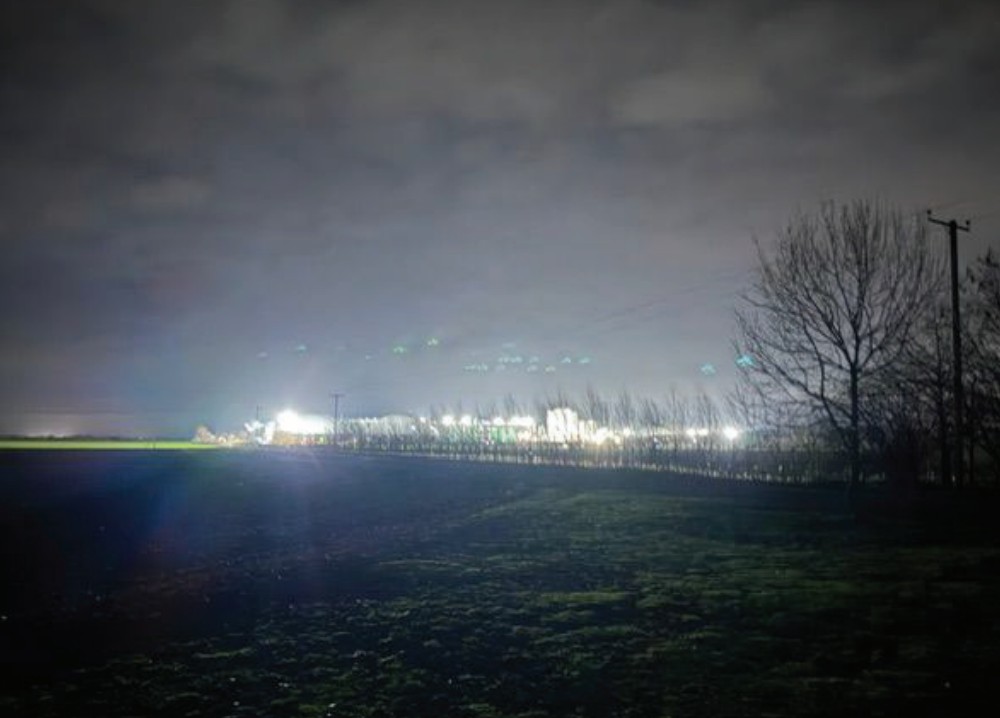
Security concerns have also been highlighted, with residents reporting thefts and unauthorised access linked to increased traffic and activity around the site.
They are calling for improved screening, inward-facing lighting, and a comprehensive security plan as part of any approval.
Alongside community impact, biodiversity has become a central issue in the planning debate.
A Biodiversity Net Gain (BNG) statement submitted by Exo Environmental Ltd assesses the ecological consequences of the expansion using statutory metrics. The report concludes that the development would result in a 74 per cent loss of habitat units onsite, largely due to the extent of hardstanding required for the plant.
While gains are proposed for hedgerows and watercourses, the report confirms that the mandatory 10 per cent net gain cannot be delivered within the site itself.
To address this, the developers propose creating new habitats on nearby land under the same ownership. This offsite area would be registered as a biobank, managed for a minimum of 30 years, and secured through a Section 106 agreement.
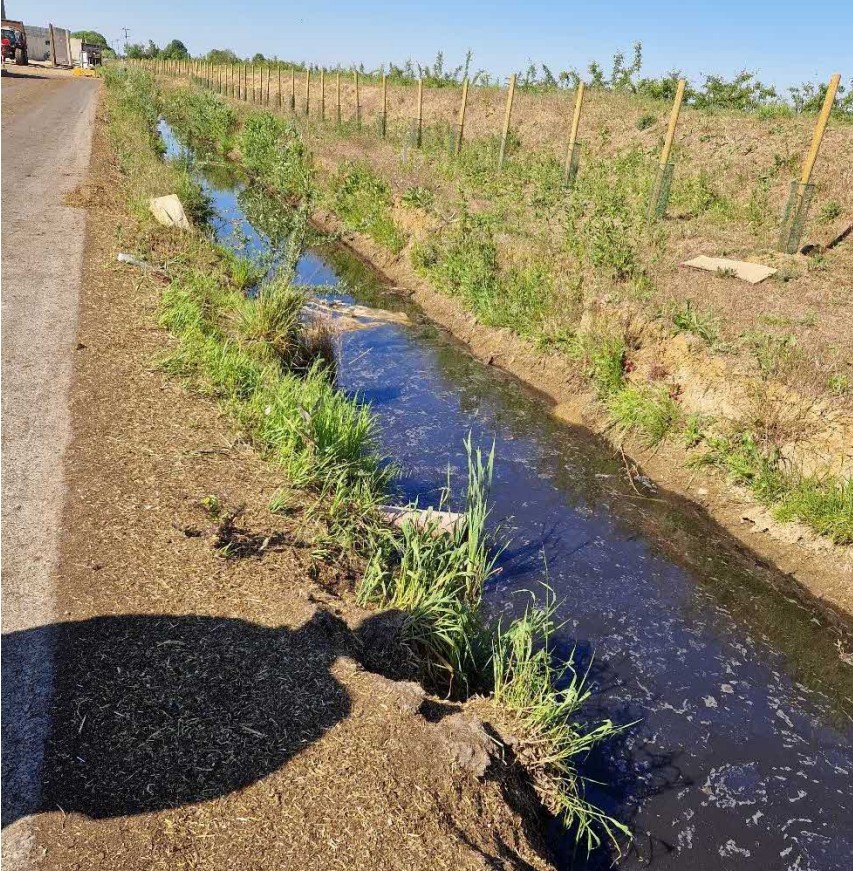
Depending on the habitat types selected — such as grassland, scrub, or wetland — the offsite land could generate more than enough biodiversity units to offset the losses at Mepal. Final details would be agreed with the local planning authority and monitored through a long-term management plan.
While there is broad recognition of the importance of renewable energy, both the town council and residents stress that local impacts must not be overlooked. The council has made clear that it supports development in principle, but only where communities are properly protected and compensated.
Fenland District Council will now assess the application, taking into account technical reports, statutory requirements, and the strength of local opposition.
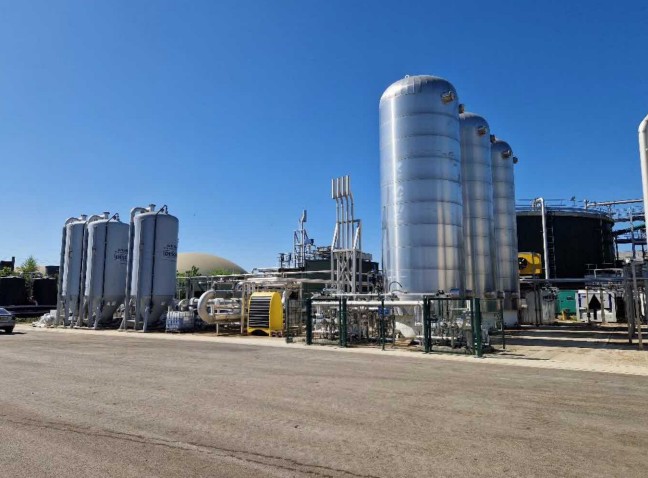
According to the official submission, the extension will include:
- 8 New Digesters:
These are large, sealed tanks where organic material is broken down anaerobically (without oxygen) to produce biogas. The addition of eight digesters represents a substantial increase in the plant’s processing capability. - 4 Post-Digesters with 4 Technical Buildings:
Post-digesters further process the material after the initial digestion phase, helping to maximize biogas yield and stabilize the digestate. Each post-digester is supported by a dedicated technical building for control and maintenance. - 2 Pump Buildings:
These structures house the pumps and associated equipment needed to move material between different stages of the process. - 10 Feed Hoppers:
Feed hoppers are used to store and feed organic material into the digesters at a controlled rate, ensuring efficient operation. - 1 Gas Entry Unit & 2 Process Gas Upgrade Areas:
The gas entry unit manages the flow of biogas from the digesters, while the upgrade areas are equipped to refine the raw biogas, removing impurities and increasing its methane content for use as a renewable fuel. - 2 Separation Bunkers:
These are used to separate solid and liquid fractions of the digestate, which can then be further processed or used as fertilizer. - 1 Straw Processing Building:
This facility will handle straw and similar fibrous materials, preparing them for digestion. - 1 Dry Digestate Storage Building:
After processing, the solid digestate is stored here before being transported offsite or used locally. - 2 Flare Stacks:
Flare stacks are safety devices used to burn off excess biogas that cannot be stored or used, preventing the release of methane into the atmosphere. - 1 Site Office:
The new office will provide workspace for plant management and staff. - 2 Balancing Ponds:
These ponds are designed to manage surface water runoff, helping to prevent flooding and control water quality on the site.