

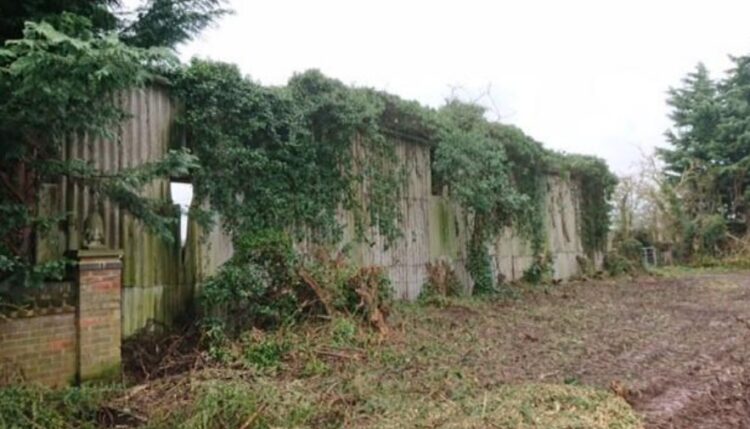
It was the rural planning battle that had a whole village watching. Conger Lane, a narrow and much-loved track on the edge of Holywell – a village 10 miles from Huntingdon -became the unlikely stage for a clash between countryside tradition and modern ambition. At the centre of the storm stood an agricultural barn – and one man’s vision to replace it with a six-bedroom family home.
After months of heated debate, a council refusal, and growing local tension, the story has taken a dramatic turn. The Planning Inspectorate has overturned Huntingdonshire District Council’s decision, granting permission for the barn’s demolition and the construction of a new house.
For James Anderson, the determined applicant, it marks a major victory.
The Lane That Became the Front Line
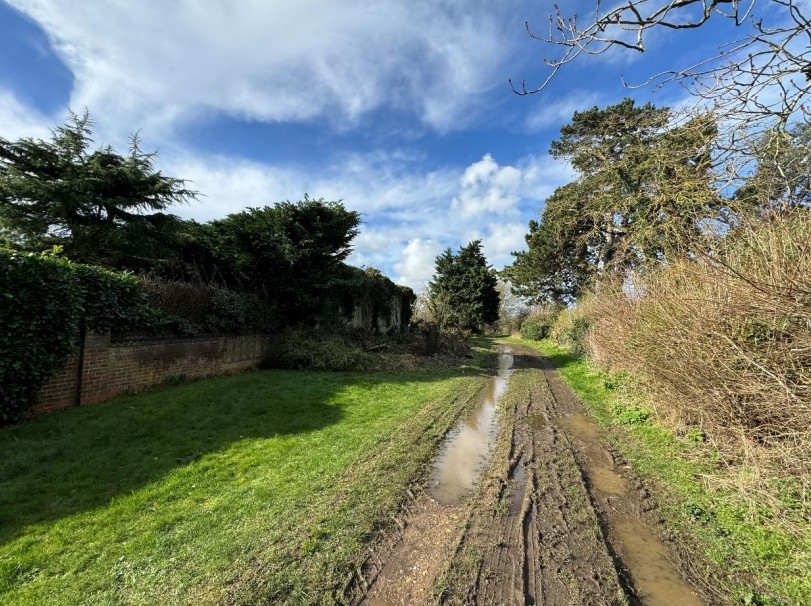
Conger Lane is a narrow, unmade track lined with greenery; locals have long seen it as a buffer zone, protecting the village’s historic core from creeping development beyond.

But when plans emerged to replace the barn with a modern home, Conger Lane instantly became the flashpoint.
Council officers warned that the change would “fundamentally alter” the lane’s nature. What was once muddy, informal and rural could, they feared, become urbanised – complete with domestic traffic, surfacing, lighting and all the trappings of suburban life.
Residents quickly joined the opposition.
Some cited potholes and poor maintenance. Others raised concerns over privacy, noise, and the gradual erosion of the lane’s rustic charm.
Council Refusal: Access and Character at the Heart
When Huntingdonshire District Council refused the application, the reasons stretched beyond bricks and mortar.
Access was a central issue.
Planners argued that converting an agricultural barn into a large domestic dwelling would introduce a very different type of activity – one that could undermine the lane’s role as a soft transition between village and countryside.
The refusal was tied into wider policy concerns:
- Development in the open countryside
- Harm to the Conservation Area
- Questions over biodiversity net gain
- The perceived “urbanising” effect of increased domestic traffic
Appeal Showdown: Inspector Steps Into the Scene
Enter the Planning Inspectorate.
On 2 October 2025, Inspector Jennifer Wallace visited the site in person, walking the lane, assessing the barn, and taking in the wider landscape.
During proceedings, the council conceded it could no longer demonstrate a sufficient supply of housing land. That meant its position against the principle of development weakened significantly.
The argument narrowed.
The fight now focused on heritage impacts, character, and – once again – the access lane itself.
Inspector’s Verdict: Access Concerns Defused
The decision delivered the turning point.
Inspector Wallace found that Conger Lane already serves several residential properties before becoming a countryside footpath. In other words, it is not purely an untouched rural track – it already functions as an access route.
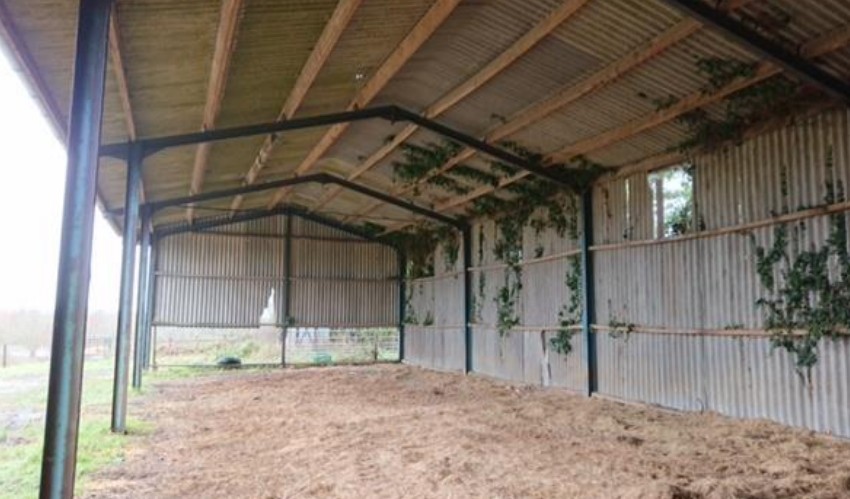
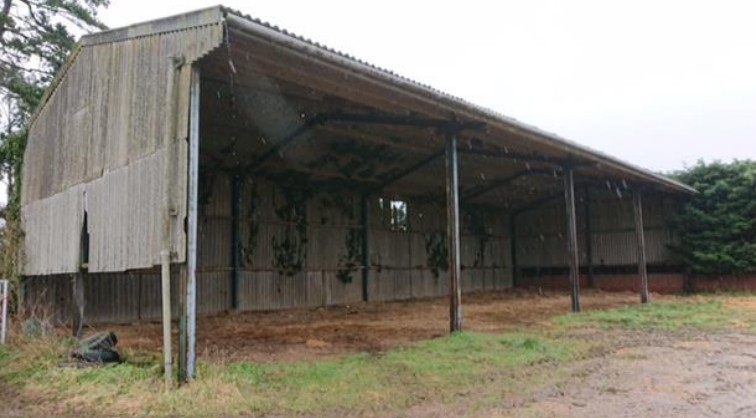
She also described the existing barn as a modern, open-sided structure that felt “somewhat incongruous” within the settlement.
Most importantly, she concluded that replacing the barn with a home would have a broadly similar visual impact.

And on traffic?
Her view was clear:
- A dwelling would likely generate smaller vehicle movements than an agricultural barn
- Construction disturbance would be short-lived
- The feared transformation of the lane was overstated
She stated that requiring a full highway condition survey and remediation would not be reasonable.
In plain terms: Conger Lane could cope.
The access issue, once one of the council’s strongest weapons, was no longer enough to justify refusal.
Heritage and Conservation: A Careful Balancing Act
The Inspector also tackled the sensitive heritage questions head-on.
Nearby sit two highly significant assets:
- The Grade I Parish Church of St John the Baptist
- The Grade II Holy Well
Opponents feared the new build could harm the setting of these historic landmarks and weaken the Conservation Area’s value.
But Inspector Wallace found otherwise.
Her conclusion: the proposal would have a neutral effect on heritage assets and would preserve their setting.
In fact, she suggested removing the barn could even improve the Conservation Area, as the current structure contributes little to local character.
She noted that buildings along Conger Lane vary widely in scale and appearance, and the proposed home, though modern and utilitarian, was not out of place.
Conditions Attached – But No Heavy-Handed Restrictions
Approval came with conditions to ensure the development meets modern standards. These include:
- Accessible and adaptable dwelling requirements
- Water efficiency measures
- Ecological enhancements
- Landscaping and planting controls
The Inspector also approved a £170 contribution toward wheeled bins.
However, she rejected the council’s attempt to remove permitted development rights, finding no compelling justification.
The message was firm: conditions should be necessary, not excessive.
A New Chapter for Conger Lane
For Mr Anderson, the decision is nothing short of triumph.
A self-build dream that once seemed buried under policy objections and local resistance has now been revived by appeal.
Conger Lane will remain a lane for walkers and residents – but soon, it will also serve one more family home.
The barn will go. The house will rise.