
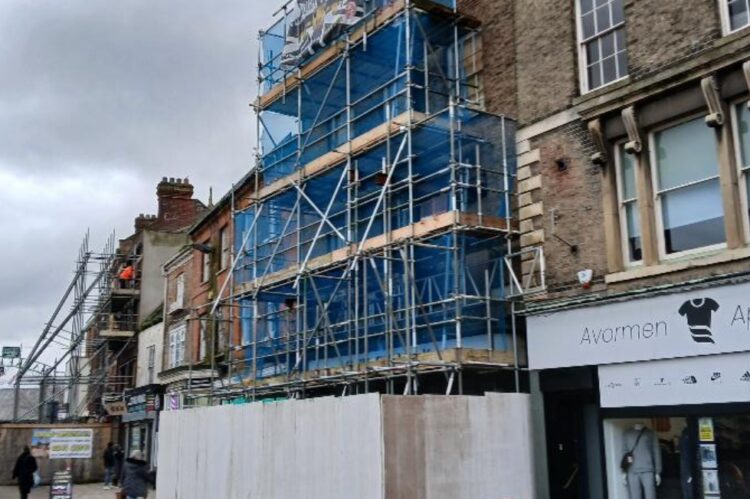
Court action has been taken against the owners of a Grade II listed building in Wisbech Market Place that has fallen into disrepair. Fenland District Council prosecuted the Whitfield Group, owners of the former Franks butchers at 10 Market Place, for failing to comply with an order to complete improvements within two months.
At Peterborough Magistrates’ Court on Tuesday, February 17, The Whitfield Group, registered at Oakington Road, Westwick, pleaded guilty to failing to comply with the order which was issued in March last year. The owners had carried out some work at the site.
Cllr Dee Laws, Fenland District Council’s portfolio holder for planning, said: “We hope this action sends a message to all owners of heritage buildings in Fenland that we won’t stand by and watch them degrade.
“And that now the owners of this building will do the right thing and take the action we’ve ordered to preserve this important building’s future.”
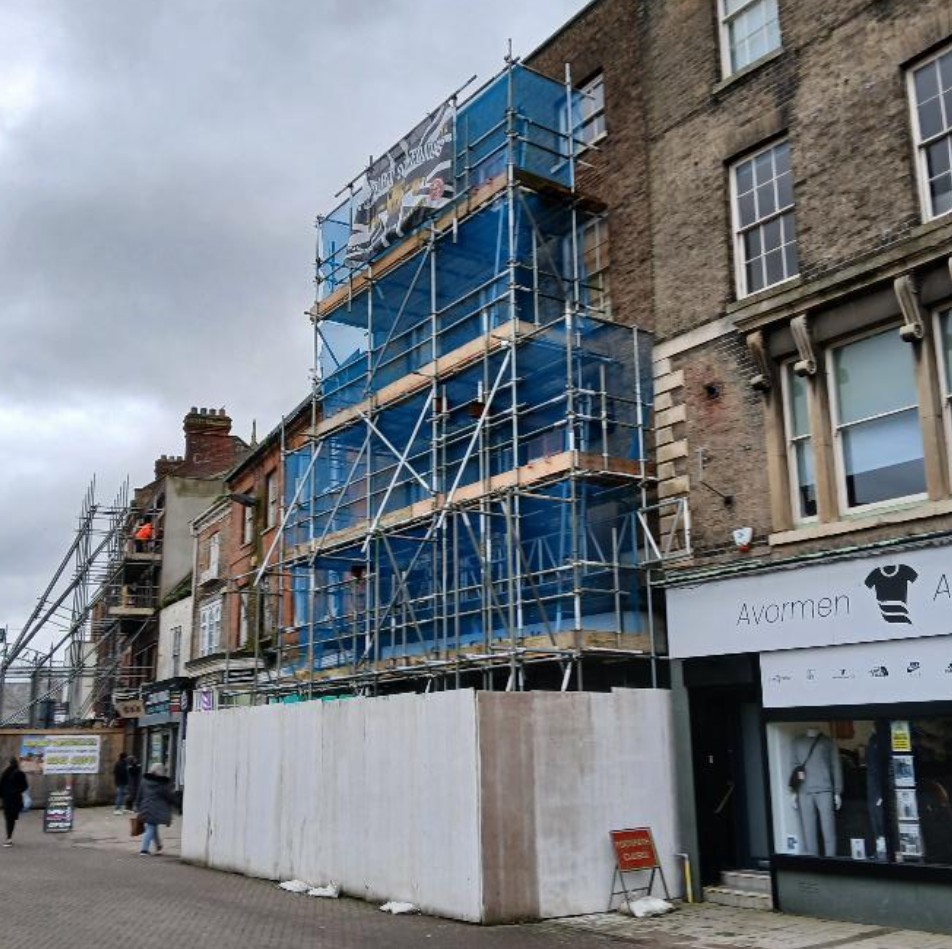
The Whitfield Group must now comply with the order. The council will work with them to agree a reasonable deadline, as soon as possible, for the works to be achieved.

The council said it works closely with property owners to encourage and drive restoration and preservation of buildings across the district.
The Whitfield Group was ordered to pay a total of £810 for failing to comply with the order. If they fail to meet the deadline again, they could face further prosecution and a daily fine of up to £500.
Whitfield Group latest accounts
The Whitfield Group Limited is a private company that mainly owns and rents out property. Financial statements for the year ending 31 March 2025 show the company’s position at that date. The accounts are unaudited, which is permitted for small companies.

Run by Dennis K Whitfield and Susan E Whitfield, the Cambridge-based company prepares its accounts using standard UK accounting rules for small businesses.
Its main assets are investment properties held to earn rental income or increase in value. These were valued at £14.45 million, slightly higher than the previous year. Other assets include £485,000 in cash and £215,000 owed to the company. In total, it holds more than £15 million in assets, most of which is property.
However, the company also carries significant debts. Short-term debts due within one year total about £9.1 million, while long-term bank loans amount to £4.28 million, secured against company properties. A director has given a personal guarantee for part of this borrowing.
Because short-term debts outweigh cash and debtors, the company reports net current liabilities, relying on long-term funding and support from related companies.
After accounting for all assets and liabilities, net assets stand at £1.9 million, an improvement on the previous year. The company made a profit of £120,822, helping to turn previous losses into retained earnings of £47,432. Most equity is held in a non-distributable reserve and cannot be paid out as dividends.
The business employs two people. Many debts are owed to companies owned or controlled by the director, showing reliance on related parties for funding. Rental income and property values remain key to its performance.