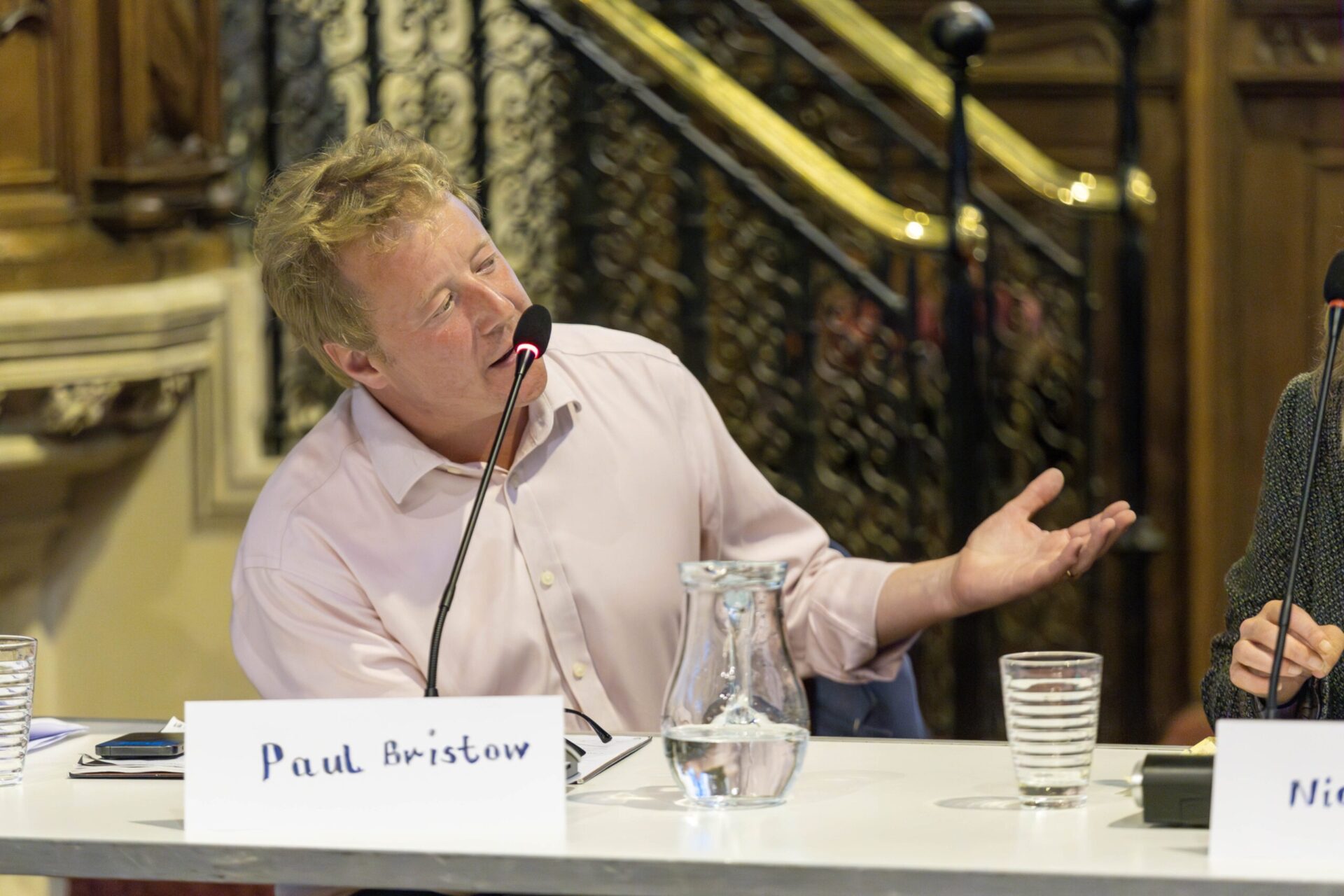

In a candid interview on the Eastern Promise podcast, Cambridgeshire and Peterborough Mayor Paul Bristow has revealed a personal ambition that could reshape the future of the Fens: transforming the village of Manea into the heart of a potential “new Fens town”.
Speaking to interviewer Mike Rigby on the show produced by the non-profit Community Interest Company Eastern Promise — which promotes positive messaging and aspiration across the East of England — Bristow described the idea as a thought experiment rather than official policy.
“Why not a new Fens town perhaps based on Manea which is 28 minutes from the Cambridge biomedical campus,” he said. “That’s not policy by the way — that’s just something to go [and think about].”
The comment came in response to Rigby’s questioning how to deliver new housing and development outside the region’s main urban centres of Cambridge and Peterborough.
Rigby posed a hypothetical about designing a new town from scratch: its location, infrastructure access, treatment of cars, integration of green spaces and trees to preserve views, adoption of innovative technologies like those in Swaffham Prior (which has moved the village off oil heating), and crucially, securing a station for walkable rail access.

Bristow agreed on the “power of positivity” and linking elements together to drive progress, rather than repeatedly seeking Treasury funding.
He pointed to upcoming projects like the Fens Reservoir — more than just a water storage site, potentially becoming a tourism and leisure destination — and new agricultural reservoirs in East Cambridgeshire.
These could support growth by addressing water imbalances across the region: too much in the Fens, too little in South Cambridgeshire.
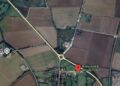
Manea’s strategic position on the rail line from Peterborough through March and Whittlesey was central to Bristow’s thinking. With the forthcoming Cambridge South station, journey times to the biomedical campus — a global hub for life sciences — would be remarkably short at 28 minutes.
“A four bedroom home in the centre of Cambridge will cost you a million pounds. It won’t cost you a million pounds in Manea,” Bristow noted.
He argued that building new homes and communities along the line could generate the demand needed to justify rail improvements independently of government funding.

The Ely area capacity enhancement scheme, he said, has a strong business case ratio of 4.8:1 — though currently based on freight — and has waited 21 years for funding.
“Instead of waiting for the government to fund that… the definition of insanity is doing the same thing over and over again expecting different results,” Bristow said. “If we can begin to build new homes and new sort of complexes around some of those stations… we can do that Ely area capacity enhancement ourselves.”
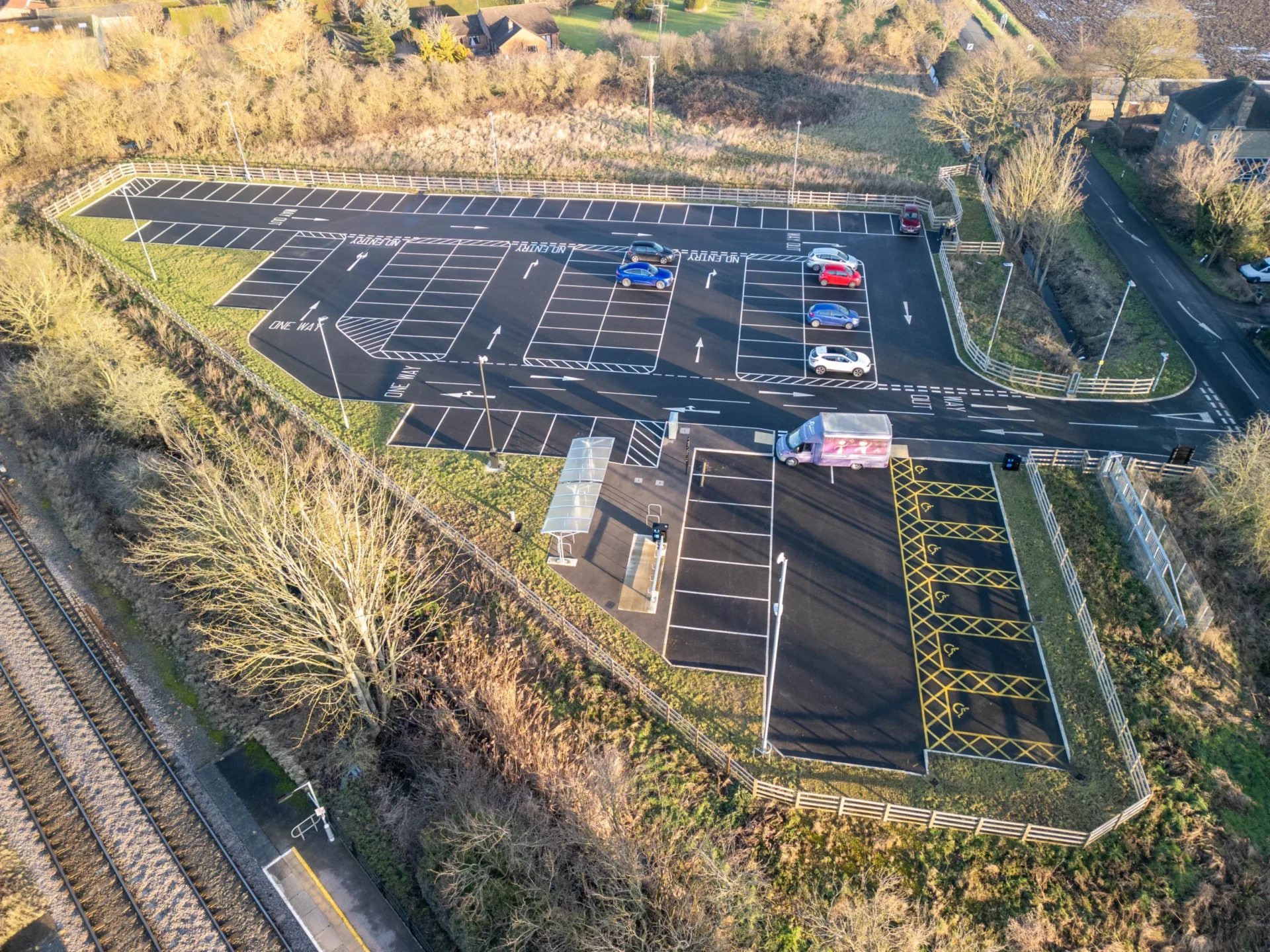
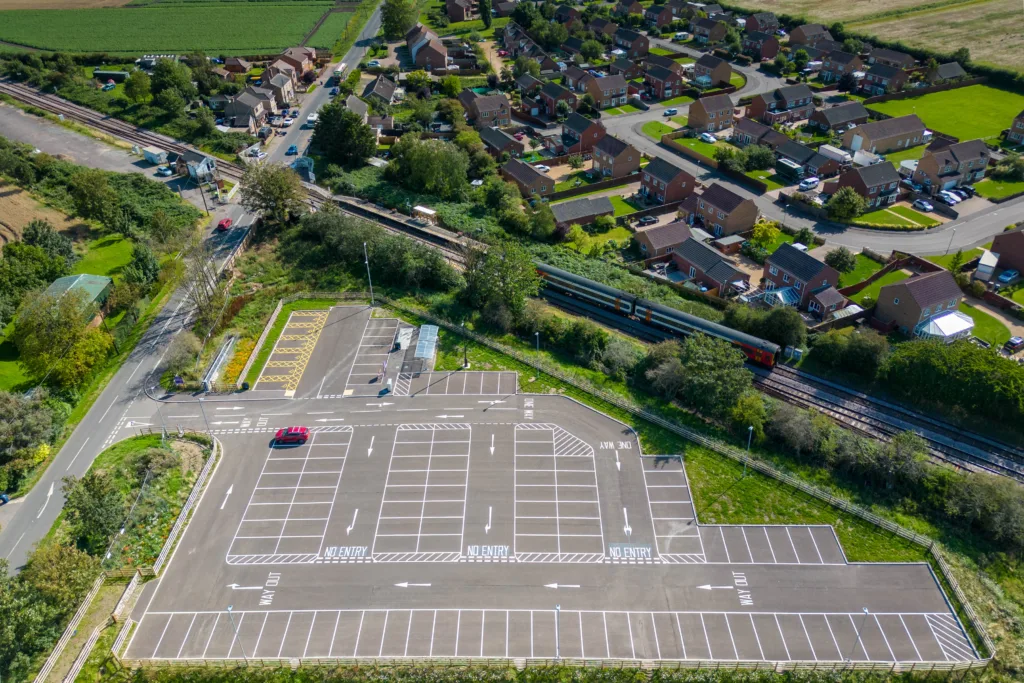
The vision echoes earlier hints from Fenland District Council. When the 120-space car park at Manea station opened in 2023 — providing free parking with disabled bays, cycle shelter, CCTV, and low-energy lighting — then transport portfolio holder Cllr Chris Seaton described it as part of a deliberate long-term strategy.
“We have very intentionally created enough parking capacity to exceed current use of Manea station,” Seaton said at the time.
The facility was designed to serve a catchment of more than 19,000 people across Manea, Doddington, Wimblington, Chatteris, and Welney, aiming to stimulate demand for better rail services and support housing and economic growth in the district.
Bristow’s podcast appearance also touched on other regional opportunities, including excitement over a potential defence cluster in North Huntingdonshire. With increasing government defence budgets, he sees scope to replicate Cambridge’s success in life sciences and technology.
The 40-minute episode is part of Eastern Promise’s series to champion the East of England through open-minded engagement and fresh campaigning voices.
While Bristow was careful to frame the Manea idea as exploratory, it underscores a broader push to spread prosperity from Cambridge’s economic engine to Fenland communities, using rail connectivity, water infrastructure, and innovative planning to unlock affordable housing and jobs.
The full podcast can be found here:
https://www.podbean.com/media/share/pb-w5j36-1a614b5