
The global challenge of building peace, AI unlocking the secrets of life, the future of breast cancer treatment, and a revival of rebellious Georgian actresses. These are among the headline events at this year’s Cambridge Festival, which begins next Monday 16 March, launching 17 days of talks, performances, debates and workshops across Cambridge.
With more than 360 events taking place across the city, the festival brings together researchers, artists and public figures to examine the science, culture and politics shaping modern life. Events are hosted across University of Cambridge venues and partner institutions, including Anglia Ruskin University, which will also stage festival events.
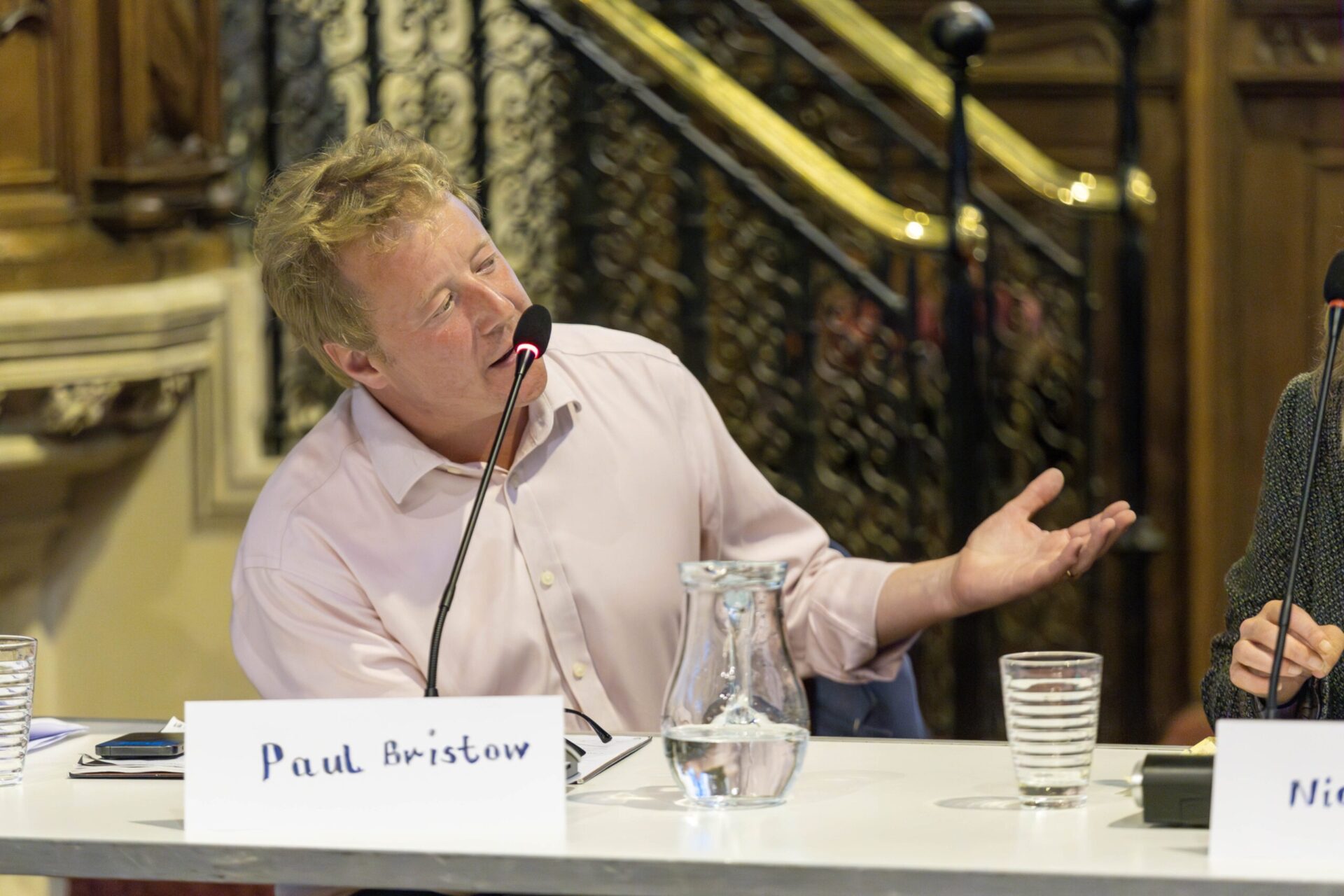
As wars continue to dominate the global agenda – from the ongoing conflict in Ukraine to the war in the Middle East – the challenge of achieving lasting peace has rarely felt more urgent.
Around the world, conflicts are increasing in number and complexity, with dozens persisting for decades and shaping the lives of entire generations. An end to war: Creating peace in a turbulent world (28 March) will tackle this question head-on, bringing together experts to explore how diplomacy, international cooperation and academic research can help resolve conflicts and build the foundations for durable peace.
While global leaders grapple with conflict and diplomacy, researchers are also confronting another set of urgent challenges, using new technologies to better understand the fundamental processes of life.
Artificial intelligence is rapidly changing how scientists study living systems, opening new ways to tackle some of the world’s biggest challenges, from plastic pollution to cancer. Biochemistry and AI (28 March) will explore how teaching computers to spot patterns in vast biological datasets is accelerating discovery, from designing enzymes that could break down plastic waste to tracking how cells copy their DNA to help identify which cancers respond best to treatment.
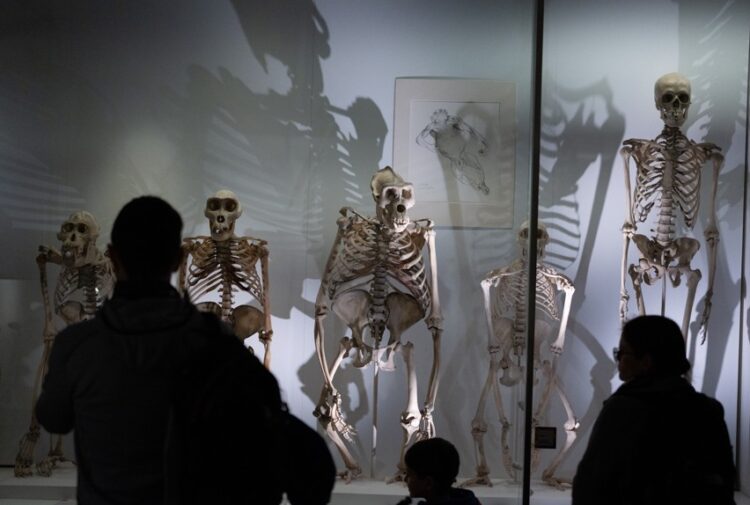
But understanding life isn’t just about decoding molecules, it also means asking how humans evolved the ability to communicate at all. The paradox of speech: How evolutionary simplification made humans the most talkative primate (25 March) explores why humans can produce complex language while our closest primate relatives rely on only a handful of calls, revealing how losing certain vocal features may have helped our ancestors develop clearer, more stable speech.
Medical innovations are also at the forefront in The Future of Breast Cancer Care (31 March), which brings together clinicians and researchers to discuss how emerging technologies, including precision diagnostics and personalised therapies, could change how breast cancer is detected and treated in the coming decades.
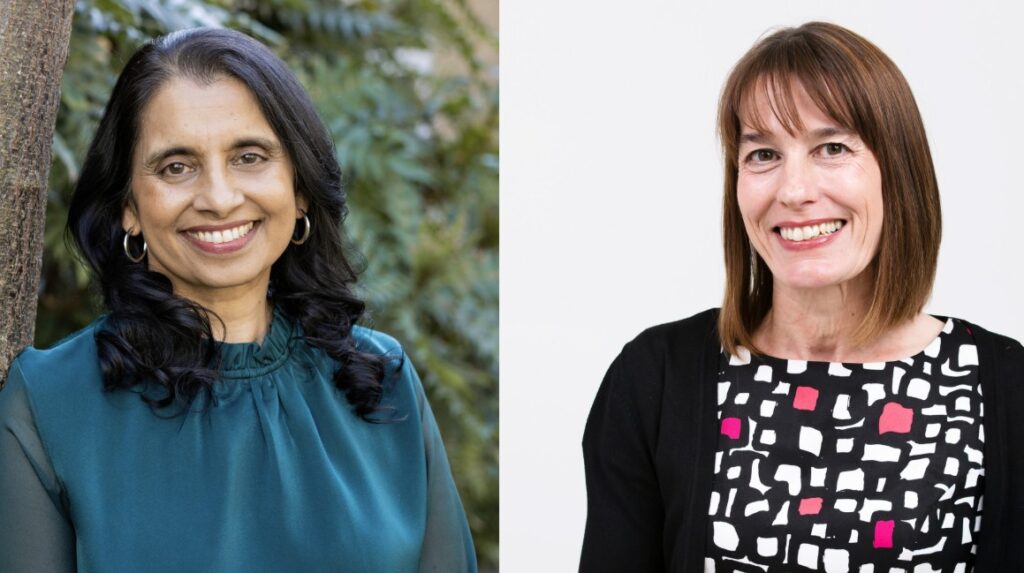
Health closer to home is the focus of Sporting Hearts: Looking after the heart health of Cambridge (1 April), where experts explore how exercise, community initiatives and cutting-edge cardiovascular research are helping tackle one of the UK’s leading causes of death.
Elsewhere, the festival turns to the technologies that could shape the industries of the future. Making Tomorrow: How the Future Will Be Manufactured (21 March) explores the next industrial revolution, examining how emerging technologies, from advanced materials to automated production systems, could transform the way goods are designed and produced.
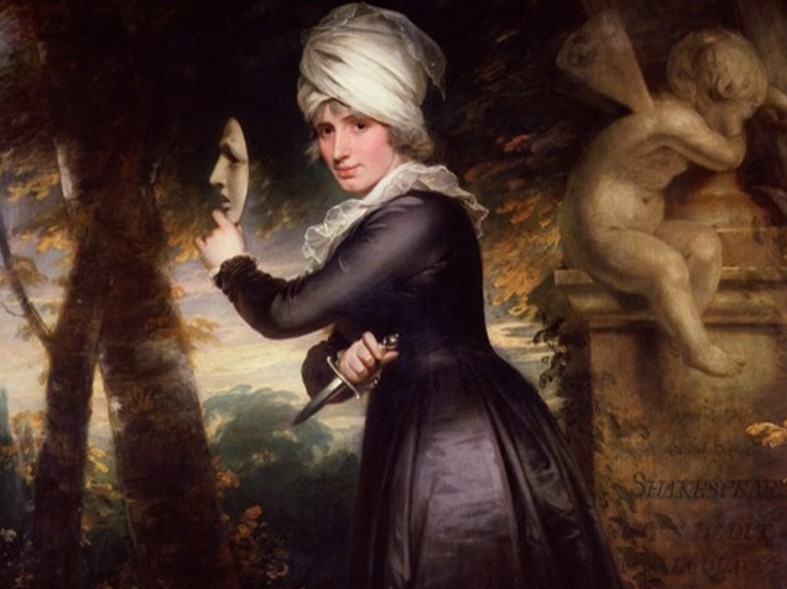
Alongside these flagship talks, the festival’s programme also ventures into performance, storytelling and creative experimentation. Drama Queens of the Georgian Period: A tragi-comic entertainment (2 April) resurrects the voices of women who challenged the male-dominated theatre world of the 18th century.

Through dramatic readings of speeches and writings from the period, the event reveals the wit, ambition and resilience of female playwrights and performers often missing from theatre history.
Performance and participation take centre stage in Pop-up Soothe dance performances and workshops (28-29 March), which combines music, movement and creative workshops in a programme designed to explore the links between artistic expression and wellbeing.
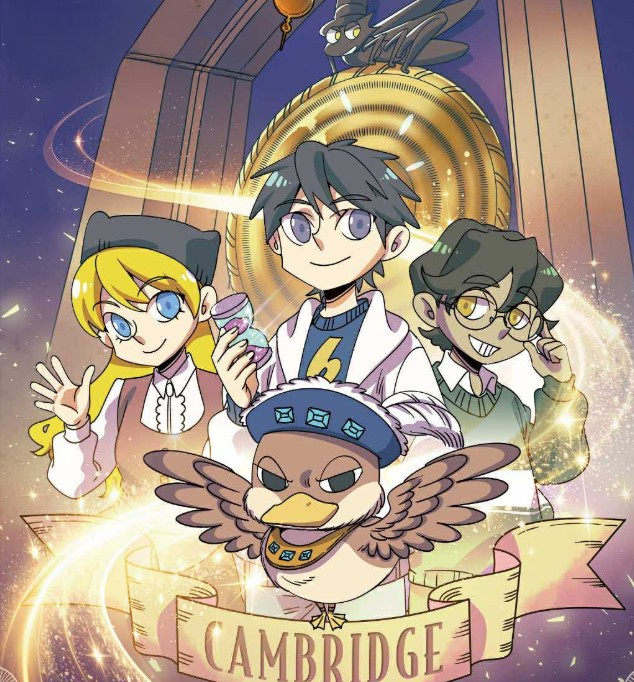
The festival programme also offers plenty for younger audiences and families. The Science and Secrets of Cambridge: Time-travelling with a duck (21 March) offers a playful dive into the city’s past, using storytelling and science to uncover curious secrets from Cambridge history.
The festival culminates in a celebration of the art of explaining science. FameLab East of England Final (2 April) will see early-career researchers compete to communicate complex ideas in just three minutes, combining scientific insight with theatrical flair in one of the UK’s most popular science communication contests.
Running from 16 March to 2 April, the Cambridge Festival aims to open research and ideas to wider audiences through conversations that span disciplines, from medicine and technology to politics, literature and performance.
David Cain, Festival Manager for the Cambridge Festival, said: “The Cambridge Festival is a chance to encounter the unexpected, one moment you might be hearing how researchers are working towards peace in a turbulent world, the next you’re meeting the rebellious actresses of Georgian theatre.
“With hundreds of events taking place across Cambridge and with partners including Anglia Ruskin University, the festival offers an opportunity to encounter the people behind the research and join the conversations that matter.”
The Cambridge Festival runs from 16 March to 2 April 2026.
The Cambridge Festival is the University of Cambridge’s yearly showcase of ideas, discoveries and big conversations – bringing world-leading research, expertise and creativity from experts and innovators into everyday life. This year, over 360 mostly free events across four themes – Society, Health, Environment and Discovery – invite everyone to explore the global challenges, breakthrough innovations and bold ideas shaping our future.
Cambridge Festival, the University of Cambridge’s annual showcase of ideas, research and public conversations. Download the full programme here: