
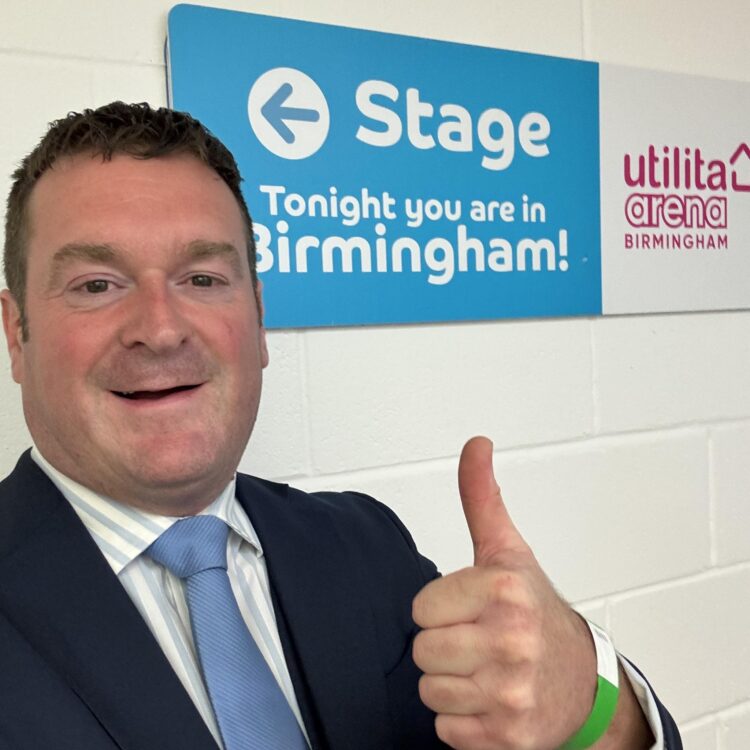
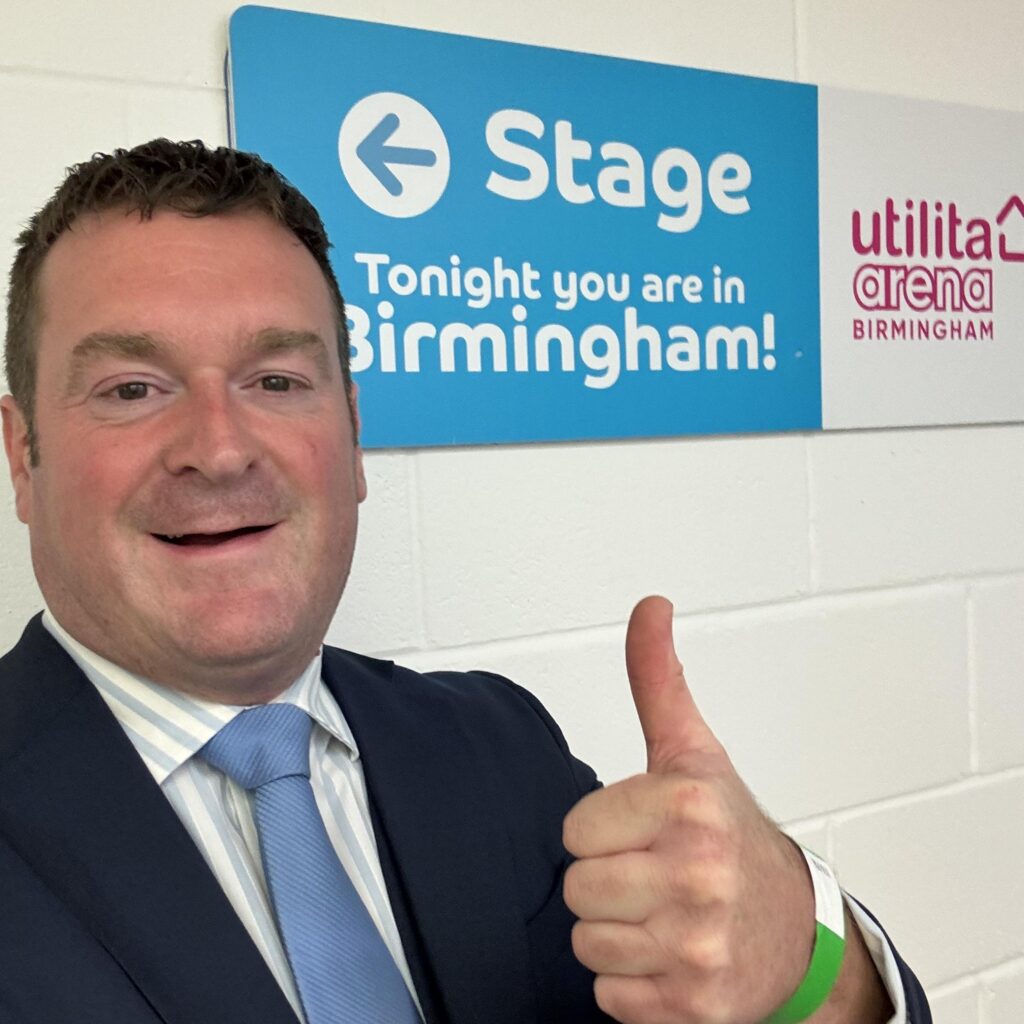
Ryan Coogan is everywhere in Cambridge politics—and still, crucially, on the outside of it. As the local standard-bearer for Reform UK, he writes, posts, canvasses, and provokes with relentless energy. From university policy to street-level conversations to local crime and council reform, Coogan covers every angle.
Yet translate that visibility into electoral reality, and the picture sharpens quickly: Reform has no councillors in Cambridge or South Cambridgeshire, and projections suggest this may not change in May.
Mayoral performance: a strong second
In the 2025 Cambridgeshire and Peterborough mayoral election, Coogan did something unexpected: he came second.
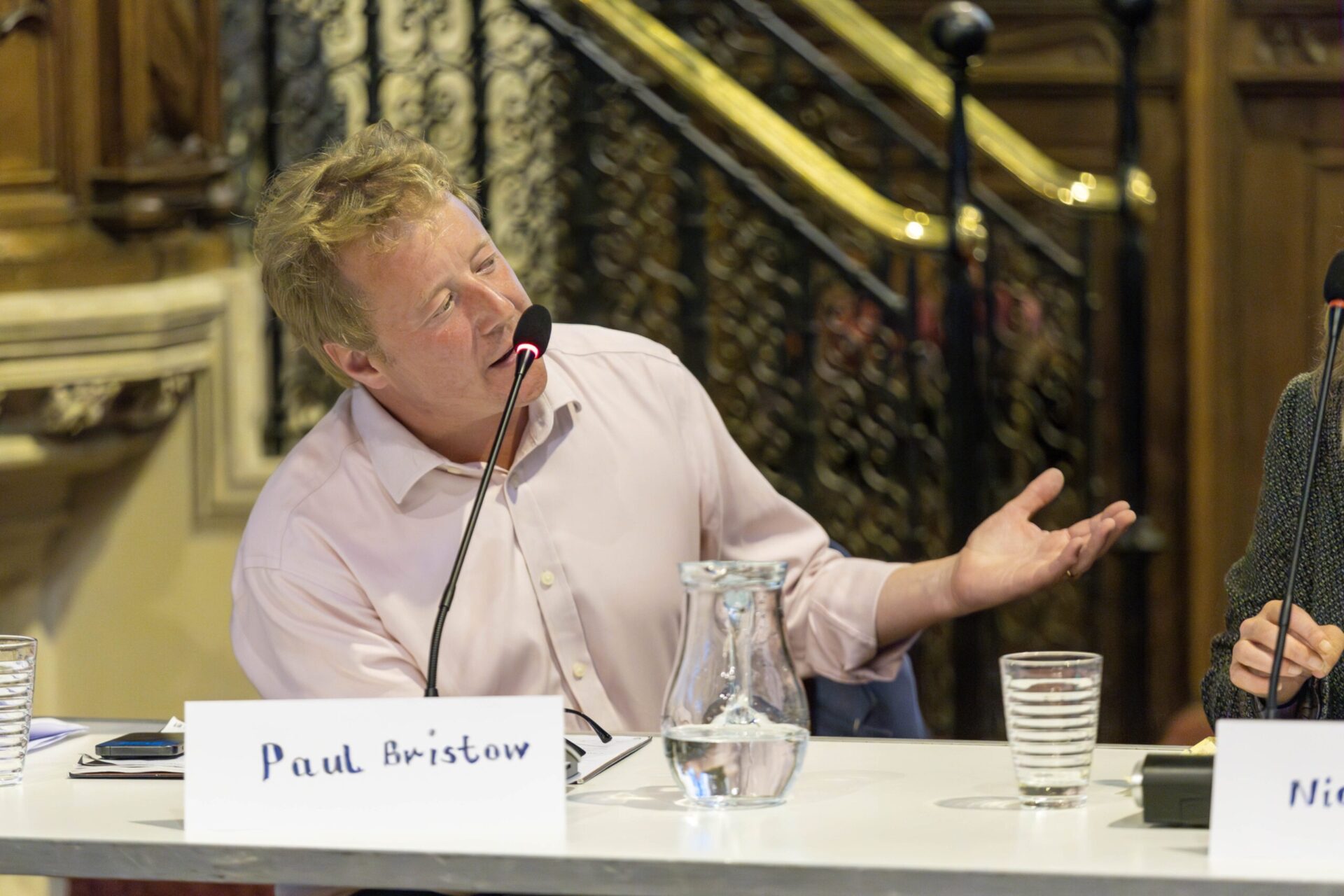
With 49,647 votes (23.4%), he finished behind Conservative winner Paul Bristow but ahead of Labour, Liberal Democrat, and Green candidates. For a first-time Reform showing, it was a serious result.

Yet a closer look reveals where the support came from. In Cambridge city, he received just 3,122 votes (9.4%), placing 4th–5th, well behind Labour and the Lib Dems. In South Cambridgeshire, he performed better—8,758 votes (18%)—but still came fourth. His strength lay in the more rural northern parts of the Combined Authority, where Reform UK gained county council seats.
Coogan was not shy of hitting Cambridge streets ahead of last year’s mayoralty election.
He wrote: “At the doorstep in Cambridge, residents can absolutely see the impact poor politicians have made. The city is falling apart in places… the only question is, will the people of #Cambridge see past the prejudice, see past the coloured flags and #vote the right man for the job on May 1st?”
The argument: Britain’s shift left
At the centre of Coogan’s politics is a clear and persistent thesis: Britain has drifted left, gradually but decisively, and much of the political class refuses to admit it.
“Spend a few minutes in a busy train station concourse or walk through a Saturday market… small groups of activists handing out leaflets warning the public to ‘Stop the Far Right’… ask a simple question: which policies, exactly, represent this supposed extremism? At that point, the certainty tends to fade.”
His argument is that centrist positions—on immigration, markets, or state size—are now branded “far right.” This framing aligns with the national Reform UK strategy, but in Cambridge, it collides with a more liberal and internationally oriented electorate.
Taking on the Cambridge consensus
Coogan’s critique of University of Cambridge has been one of his most consistent themes:
He posted: “Removing the wild indoctrination of our young people is a challenge… If you would like to join the Student Reform Group in Cambridge, please get in touch!”
Reform UK has proposed reduced regulation, funding shifts, and stricter oversight of elite institutions, framing it as a reset against perceived bias. He has also targeted local governance, arguing that: “The county Liberal Democrats decided they wanted it to be political, carving up the county in the only way they can win control of a newly formed council.
“Just the dangerous Liberal Democrats—not being Liberal or Democratic, gorging themselves on the pie.”
This tone is combative, but it also underscores the challenge in appealing to a Cambridge electorate.
Total immersion politics
Coogan’s approach is all-encompassing: crime reports, local budget reactions, pay disputes—all become political touchpoints.
On a violent stabbing in Cambridge, he posted: “Two men jailed after brutal drug-related stabbing in Cambridge… Members of the public rushed to his aid before paramedics arrived.” 550 of his followers commented on his social media thread after Shellem Miah and Maruf Riaz were jailed for a combined total of 47 years after stabbing a 54-year-old man twice to the chest.

On Stagecoach Cambridge pay negotiations before Christmas, he offered: “If Stagecoach management and Unite leaders around Cambridge are looking to resolve the dispute over pay, I am more than happy to independently facilitate the negotiations in an attempt to prevent disruption to the Christmas services and staff pay at an expensive time of year.”
The dispute was settled without Ryan’s mediation skills.
Everything feeds the argument: Cambridge needs Reform. Everything becomes a chance to be present, visible, and engaged.
Energy versus infrastructure
Despite his visibility, Reform UK’s local machinery is still underdeveloped. Calls to join the Cambridge branch often led to donation pages rather than active volunteer hubs. Coogan has tried to reassure members.
He told one follower: “..as soon as we have some socials set up I can direct people to them to support. For paid up members, you will receive emails for invites to events and local as well as national updates.”
Local elections, however, are won on canvassing and voter contact, not social media reach. This is where established parties maintain a decisive edge.
The electoral ceiling
The numbers are unforgiving. Reform starts with no local councillors in Cambridge and South Cambridgeshire. Analyst Phil Rodgers projects only a narrow opening: perhaps a single seat in South Cambridgeshire, and none in Cambridge city.
Even the mayoral success underscores the limits: Cambridge itself gave Coogan under 10%. His appeal is strongest in rural areas, not the urban centre.
Building a foothold
So, what is Coogan actually doing in Cambridge?
If the immediate electoral outlook is constrained, the broader goal becomes clear: visibility and laying groundwork for future campaigns. The mayoral performance provides credibility: Reform UK is not just noise; it is a party capable of drawing significant support under the right conditions.
He tells his followers (and there are 64,000 of them on Facebook): “Your country needs you, please stand up and be counted. See the Reform website for more details.”
For now, though, Cambridge remains resistant. Coogan’s campaign is loud, energetic, and nationally credible—but locally, it is still building still hoping to convert attention into tangible electoral gains.
Verdict
Ryan Coogan has already outperformed expectations once, coming second in a major mayoral contest. But Cambridge and South Cambridgeshire council elections present a tougher challenge.
The most likely outcome in May: a small foothold in South Cambridgeshire at best, and none in the city itself. Visibility, voice, and persistence are his tools—but translating them into votes remains the bigger test.
In Peterborough and Huntingdonshire, however, prospects may be more encouraging – and we will return to them in the weeks ahead.