
Plans to significantly extend a historic listed house near Wansford have been blocked after a government planning inspector dismissed an appeal against an earlier council refusal.
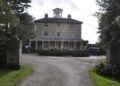
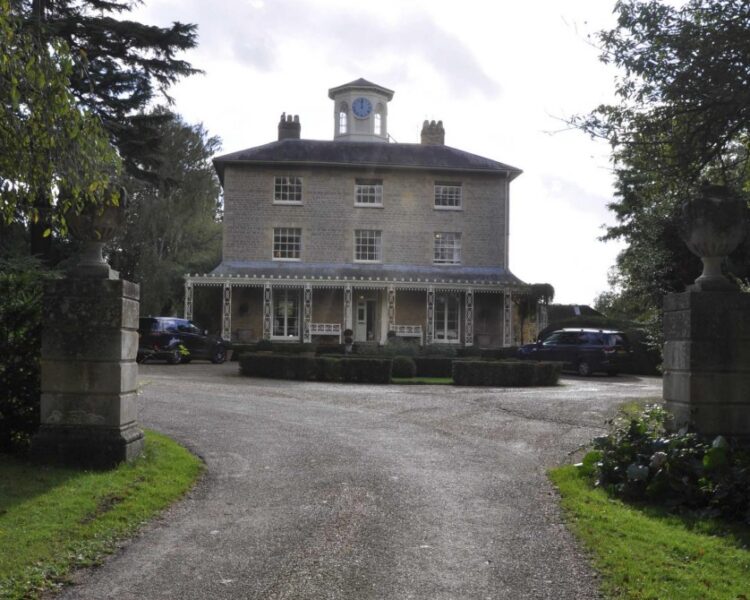
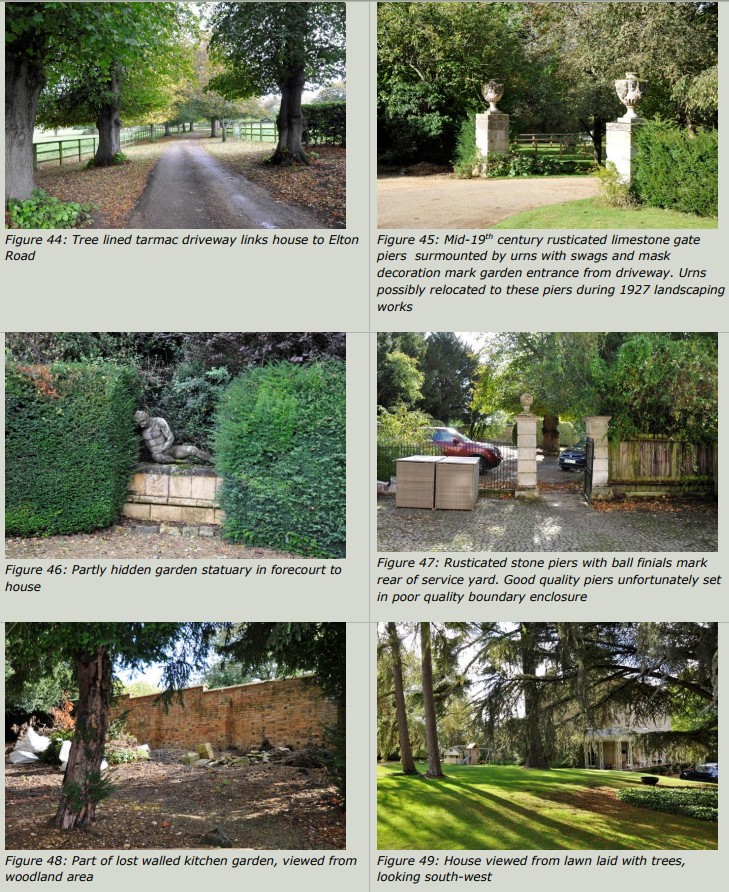
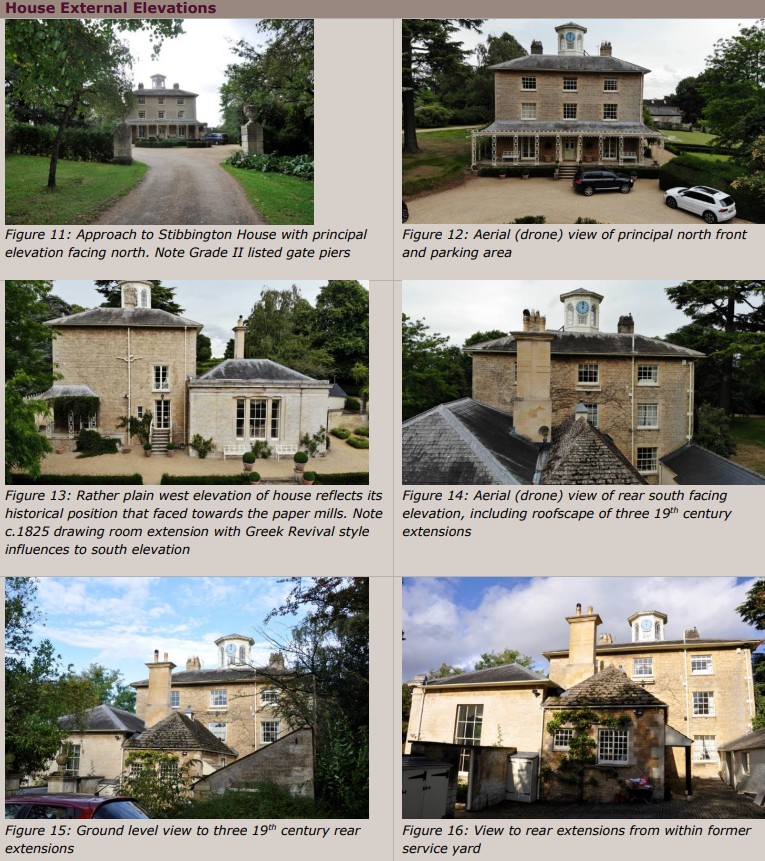
The proposal concerned Stibbington House, a Grade II listed building at 38 Elton Road, and sought permission to demolish several historic service buildings to the rear of the house and replace them with a large new two‑storey south wing.
The application was originally refused by Huntingdonshire District Council in November 2024, when planners turned down both a householder planning application and a listed building consent application submitted at the same time.
However, the Planning Inspectorate confirmed that only the refusal of listed building consent was appealed, with no appeal brought against the separate planning refusal.
As a result, the inspector’s decision focused solely on heritage matters rather than broader development considerations.

The appeal was submitted by Peter Frost of Milton (Peterborough) Estates Company, with designs prepared by Folium Architects.
Proposals included a new extension more than nine metres tall, a raised stone terrace and loggia, new formal gardens and tree planting, and a pavilion in the adjoining South Fields, alongside the demolition of modern equestrian buildings.

Together, the works would have increased the internal floorspace of Stibbington House by around 300 square metres, representing an increase of more than 50 per cent.
In her decision, issued on 31 March 2026, planning inspector Sarah Manchester concluded that the scale and design of the extension would cause harm to the historic building and its setting.
Stibbington House dates from around 1805 and was built as the mill house for the former Wansford Paper Mill before being adapted into a country house during the 19th century. The inspector found that its significance lies in its historic fabric, layout and relationship with other surviving mill buildings in the grounds.
She said the demolition of 19th‑century service ranges would erode the building’s historic evolution, while the proposed extension would overwhelm the original Georgian house and fail to read as a subordinate addition.
The inspector also concluded that the scheme would harm the setting of nearby listed buildings and fail to preserve or enhance the Wansford Conservation Area, even though much of the site is not visible from public viewpoints.
While the proposal would have delivered modern living space and private garden enhancements, these were regarded as limited public benefits and insufficient to outweigh the heritage harm identified.
The appeal was therefore dismissed, leaving the council’s refusal in place and closing off the current plans to extend the historic property.