
Peterborough City Council enters the May 2026 local elections with its finances firmly in the spotlight. A combination of high debt, low reserves, and pressures on key services has created a challenging backdrop for a third of council seats that are up for election or re-election.
The council’s own documents, including a September 2025 report titled “Myth busting – Council debt levels” and the February 2026 draft Budget and Medium-Term Financial Strategy (MTFS) report, reveal both the scale of the challenges and the steps being taken to manage them.
The council’s debt currently stands at £527 million, representing a near fourfold increase since 2012, when the figure was £143 million.
Interest and repayment costs alone consume £38 million of the revenue budget each year — money that could otherwise fund day-to-day services.
The ‘myth busting’ case for borrowing

In the September 2025 “Myth busting – Council debt levels” report, the council acknowledged that its borrowing “sounds very high” but argued it was necessary to meet rising service demands and invest in essential infrastructure.
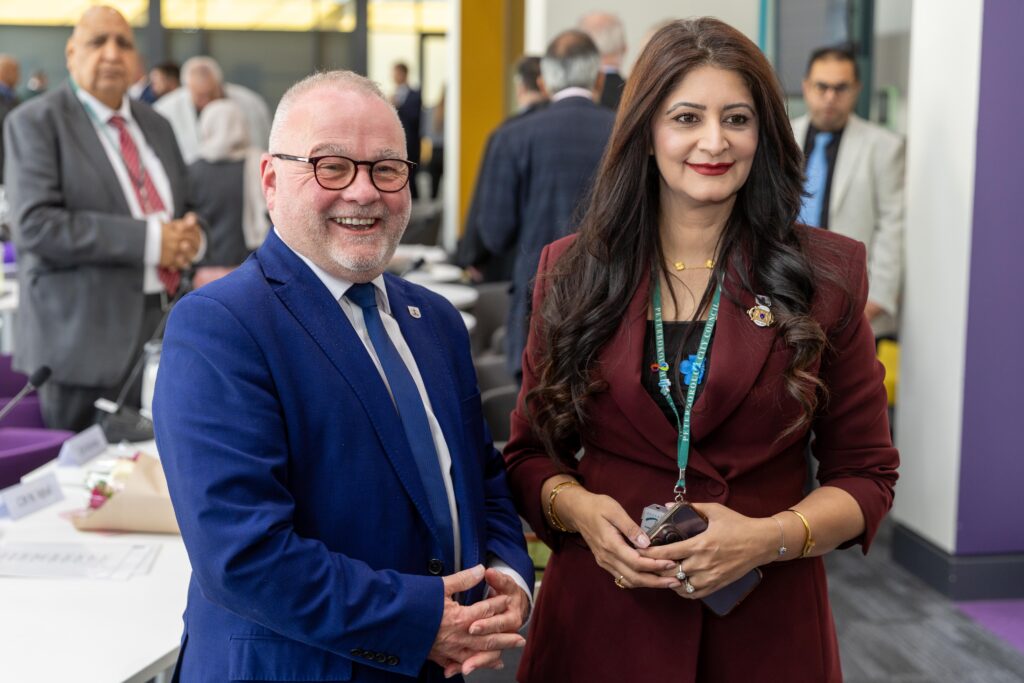
Extraordinary Council Meeting to elect a new Leader,.Sandmartin House, Peterborough.Friday 12 September 2025. .Picture by Terry Harris.
The document highlighted key projects funded through borrowing over the past 13 years:
- £120m for building new schools and expanding existing ones to meet the surge in demand for school places. This was in addition to £218m in government grants, bringing total school-related investment to £338m.
- £100m for roads, including maintenance and upgrades to the parkway system, bridges, and street lighting.
- £76m for the Fengate Energy from Waste Plant, designed to generate income and reduce landfill costs.
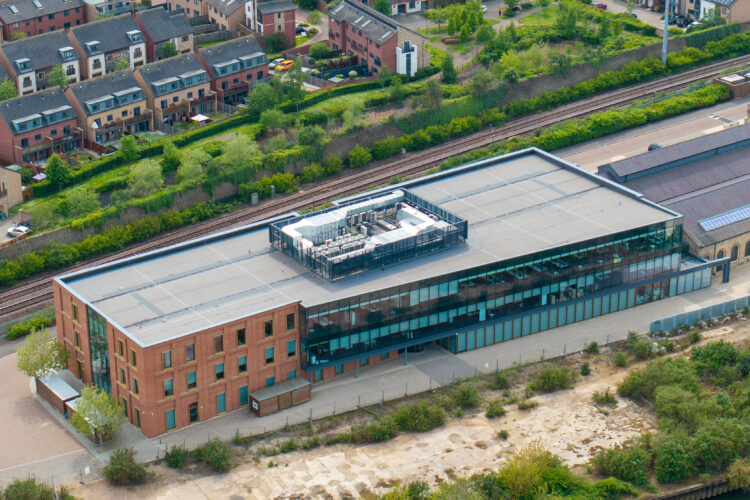
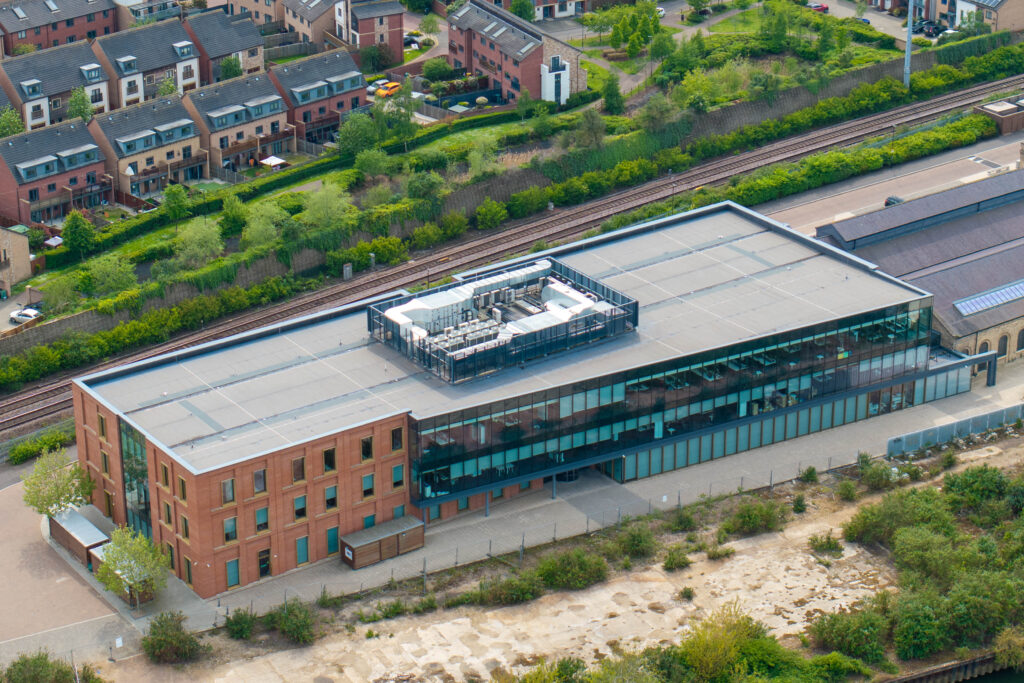
- £53m to purchase Sand Martin House, saving on rental costs.
The report also stressed that historic debt is being reduced at an average rate of £20 million per year and that new borrowing is heavily restricted. In 2024/25, for example, the council borrowed only £3 million to fund its Capital Programme.
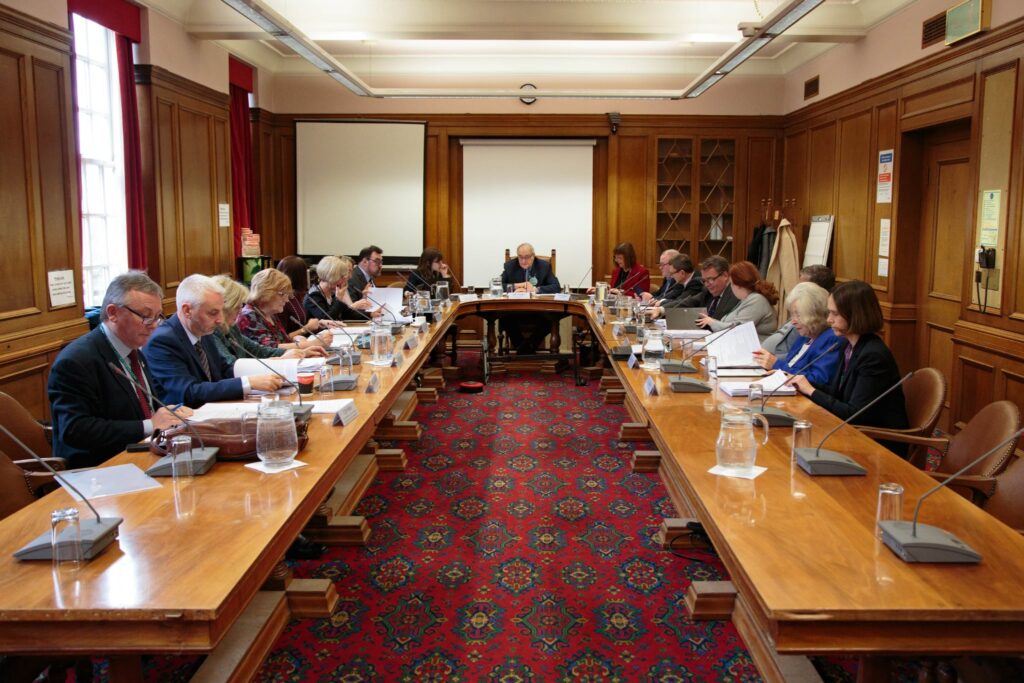
Yet despite these explanations, the sheer scale of borrowing remains a flashpoint. The council’s reliance on external borrowing has grown as internal reserves have dwindled — a situation compounded by deficits in the Dedicated Schools Grant (DSG) and rising demand for services such as school places.
Financial resilience and the February 2026 budget
The council’s February 2026 draft Budget and Medium-Term Financial Strategy report, prepared by Service Director Emma Riding and submitted to Cabinet, provided a detailed update on Peterborough’s finances. It painted a picture of both progress and ongoing risk.
The report notes that since 2022, the council has strengthened governance, insourced key services, and delivered annual savings of £15–£20 million, supported by the Independent Improvement and Assurance Panel.
Despite these measures, the council still faces three major challenges:
- Low Core Spending Power (CSP): Historic underfunding has limited the council’s ability to meet local needs.
- Low reserves: Reserves have been drawn down to support transformation, Children’s Services improvements, inflationary pressures, and revenue overspends.
- High debt levels: Borrowing remains at around £0.5 billion, with servicing costs of nearly £40 million annually.
The 2025/26 budget was technically balanced, but high-risk savings and service pressures created a £7 million overspend, placing further strain on reserves.
To mitigate this, the council submitted a request for Exceptional Financial Support (EFS) to the Ministry of Housing, Communities and Local Government (MHCLG). Even with approval, reserves will remain below recommended levels for an authority of Peterborough’s size and responsibilities.
A balanced budget, but not without risk
The draft 2026/27 budget proposed a 4.99% Council Tax increase (later agreed) and outlined a Medium-Term Financial Strategy running to 2029. Core funding and projected net revenue expenditure are aligned, meaning the council anticipates closing the budget gap for the next three years — provided funding assumptions, savings delivery, and risk mitigation hold.
The MTFS report frames the council’s financial strategy as a three-part approach: Reset, Rebuild, Redesign. This includes:
- Strengthened budget assumptions
- Rebuilding reserves gradually
- Investing in sustainable services for the long term
While these measures provide a framework for financial stability, the Chief Financial Officer’s Section 25 Robustness Statement highlights ongoing vulnerabilities. Reserves were projected to fall to £9.2 million by the end of 2025/26, below the recommended £11.7 million, leaving little room for financial shocks.
Capital investment and borrowing strategy
Peterborough has delivered £1.1 billion in capital investment since 2012, with £577 million funded via borrowing, £497 million from government grants and contributions, and £59 million from leases, asset sales, and loan repayments.
The February 2026 MTFS outlined the next stage:
- Total capital programme (2025/26–2028/29): £346 million
- Projects include:
- Peterborough Station Quarter redevelopment
- New Leisure Centre and swimming pool
- Great Haddon Primary and Secondary Schools
- Investment in SEND (Special Educational Needs and Disabilities) provision
- Towns Fund initiatives
The council plans to maximise third-party funding, only resorting to borrowing when all other avenues, including capital receipts, have been exhausted.
Treasury management strategies are designed to ensure prudence, sustainability, and compliance with regulations.
Budget consultation and public feedback
As part of budget preparation, the council conducted a consultation between October and November 2025, gathering feedback from residents, businesses, and stakeholders. Key takeaways included:
- Priorities for limited funds: Schools and education (including SEND), adult social care, and children’s social care were seen as top priorities.
- Opposition to cuts: Many respondents opposed reductions in services affecting vulnerable groups, citing long-term social and economic costs.
- Calls for efficiency: Residents suggested reducing executive pay, consultant fees, and councillor expenses, as well as avoiding “vanity projects.”
- Council Tax sentiment: Only 26% supported increases above the national limit if services were enhanced, 68% opposed, and 7% were unsure.
Social media engagement amplified consultation reach, with over 61,000 views across platforms, and interactive polls highlighting public interest in health, wellbeing, and leisure provision.
Dedicated schools grant and SEND pressures
One of the council’s most acute financial pressures arises from SEND provision. The Department for Education’s December 2025 allocations increased Peterborough’s DSG by £13.5 million, to £354 million.
- Schools Block: +£4.1 million
- High Needs Block: +£3.2 million
- Early Years and Central Services Blocks: minor increases
Despite this, demand for SEND support continues to outpace funding, requiring borrowing to fund the deficit. Although government plans aim for full funding from 2028, uncertainty over existing deficits adds long-term risk for the council.
Political and public implications
The intersection of debt, borrowing, and Council Tax is poised to dominate election discourse in May 2026.
The “Myth busting – Council debt levels” report attempted to reassure the public that borrowing was justified and that debt is gradually being reduced. However, residents remain wary: nearly 70% opposed further Council Tax increases, and public comments emphasise concern over service cuts and high borrowing levels.
Councillors will face scrutiny over:
- Whether borrowing has been prudent or excessive
- The pace at which reserves are being rebuilt
- Balancing essential investments against everyday service delivery
With £527 million still owed, £38–40 million in annual debt repayments, and vulnerable reserves, the council faces a delicate balancing act — and the electorate will judge whether fiscal management is delivering results or leaving the city exposed.
Conclusion
Peterborough City Council’s financial narrative is complex: strong governance and a strategic approach to investment and borrowing are evident, yet high debt, low reserves, and increasing demand for key services create ongoing risk.
The council’s February 2026 MTFS provides a framework for financial stability, while the September 2025 Myth Busting document attempts to contextualise historic debt.
For voters in May 2026, the question is clear: has the council managed its finances responsibly, or are Peterborough taxpayers left shouldering too great a burden?
With one-third of councillors up for election, debt, borrowing, and budget resilience are now front-and-centre political issues.
| Year | Total Debt (£m) | Annual Debt Repayments (£m) | Major Projects Funded / Notes |
| 2012 | 143 | 10 | Base debt level; start of school expansion borrowing |
| 2013 | 160 | 11 | New school extensions: road maintenance begins |
| 2014 | 180 | 12 | Parkways upgrades; initial LED street lighting rollout |
| 2015 | 200 | 13 | Energy from Waste plant design starts |
| 2016 | 220 | 14 | School expansions; bridges & road maintenance |
| 2017 | 260 | 15 | Sand Martin House purchase; continued school projects |
| 2018 | 280 | 16 | Continued capital programme; parks & infrastructure |
| 2019 | 320 | 17 | Fengate Energy from Waste Plant construction |
| 2020 | 350 | 18 | Major road upgrades: school expansions continue |
| 2021 | 380 | 19 | Continued investment in SEND and schools |
| 2022 | 420 | 20 | Parkways maintenance: LED street lighting completed |
| 2023 | 460 | 21 | Sand Martin House & energy plant fully operational |
| 2024 | 500 | 36 | New borrowing heavily restricted (£3m) |
| 2025 | 527 | 38 | Current debt level; capital investments ongoing |
| 2026 | 527* | 38 | Balanced budget forecast: £346m Capital Programme planned |
*Projected / draft MTFS for 2026.
Notes for readers:
- Annual repayments include both principal and interest.
- Major projects funded are highlighted; government grants contributed alongside borrowing.
- Historic trend shows steady increase in debt due to schools, roads, and income-generating assets, with new borrowing sharply restricted since 2024.