
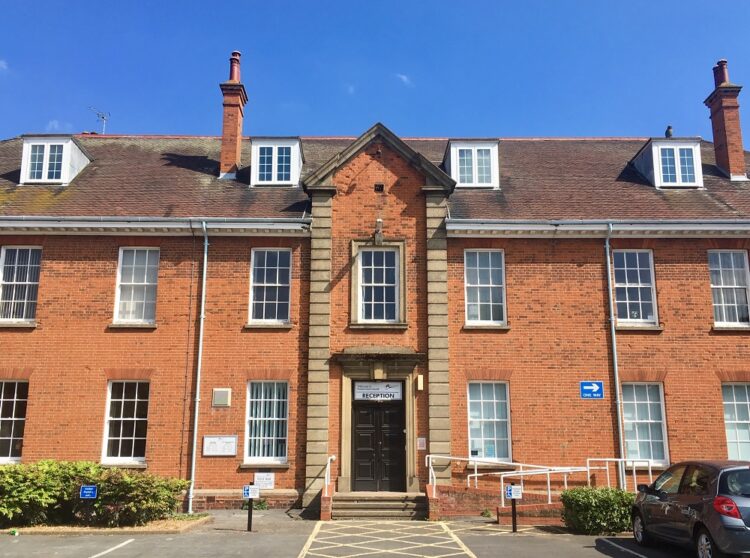
Fenland District Council’s Investment Board — once launched with ambitions of being “fleet of foot” in driving millions of pounds of commercial activity — has not held a single formal meeting this financial year, prompting concerns about inactivity, rising expenditure, and whether the strategy has delivered value for residents.
A new report presented to Cabinet today (23 March 2026) provides the first official update since September 2025 and paints a picture of stalled momentum, deferred reviews, and a council uncertain about the future direction of its commercial strategy.
The board, created in 2020 with access to a £25 million capital facility, was intended to rapidly progress investment opportunities through Fenland Future Ltd (FFL), the council‑owned trading company. But since autumn 2025, “there have been no formal Investment Board meetings in 2025/26 so far as there have been no substantive items to discuss”, the report states.
A strategy paused — again
Under the council’s constitution, the Commercial and Investment Strategy (CIS) should be formally reviewed every two years. Yet the update confirms that this review remains on hold:

“The formal review of the Commercial and Investment Strategy is currently on hold as the focus has changed to delivering the Fenland Inspire programme… economic conditions are challenging and interest rates in particular make it extremely difficult to identify new opportunities.”
This is the second delay in less than a year, after Cabinet agreed in March 2025 to defer the planned review.
Complicating matters further is the December 2024 announcement of Local Government Reorganisation (LGR) in Cambridgeshire, which the report says will “undoubtedly lead to a strategic assessment of priorities.”
£25m facility barely used — but costs mount
The Investment Board was originally authorised to “utilise reserves and/or borrow sums up to a combined maximum of £25 million” to support its commercial ambitions.
But four years on, only a small portion has been spent — and not on new opportunities.
According to the update:
- £4 million was used between 2021–22 to purchase two Wisbech assets, including a commercial investment generating £230,000 annual rent.
- A further £3 million has been approved to support the Local Authority Housing Fund initiative.
- Additional drawdowns have financed work on two development sites: The Elms, Chatteris, and the Nene Waterfront, Wisbech.
Despite the low number of approved projects, spending through Fenland Future Ltd has been substantial. The new financial table shows:
- Total expenditure and commitments to date (as of 28 February 2026): £2,403,752.01
- Consultancy costs include payments such as:
- £135,000 to Dyer
- £85,800 to Instinctively Green
- £38,068.45 to Planning Potential Ltd
- £91,745.40 to Lovell in fees
- Additional costs include legal services, ecology reports, archaeology, valuation work, and design fees.
Fenland Future Ltd also required £125,000 in support recharges to the district council for the current year alone.
The report highlights that the council has drawn down further funds “to enable FFL to meet its future financial commitments” and warns that another board update will be required later in the year due to the implications of local government reorganisation.
40 investment opportunities considered — none approved since early 2025
One of the starkest revelations in the report is that no new opportunities have reached Investment Board consideration in more than a year.
“No further opportunities have been formally presented to the Investment Board since 1st March 2025 as the initial due diligence… was not passed.”
Since the inception of the strategy, nearly 40 commercial opportunities were evaluated. These included:
- 4 FDC‑owned land proposals
- 8 commercial retail opportunities
- 8 commercial investments
- Multiple residential and affordable schemes
- 6 proposals in the “Other” category
But only two FDC land schemes — Nene Waterfront and The Elms — progressed to outline planning and development stages.
Two main development sites inch forward
The Elms, Chatteris
The report confirms:
- A development manager has been appointed.
- A Reserved Matters application has been submitted and is under review.
- Design and technical work, along with revised financial appraisals, are complete.
However, what the report doesn’t reveal is the anger felt in Chatteris towards Fenland Futures Ltd, owned by Fenland District Council over its proposals for 54 homes east of The Elms—without a single affordable unit.
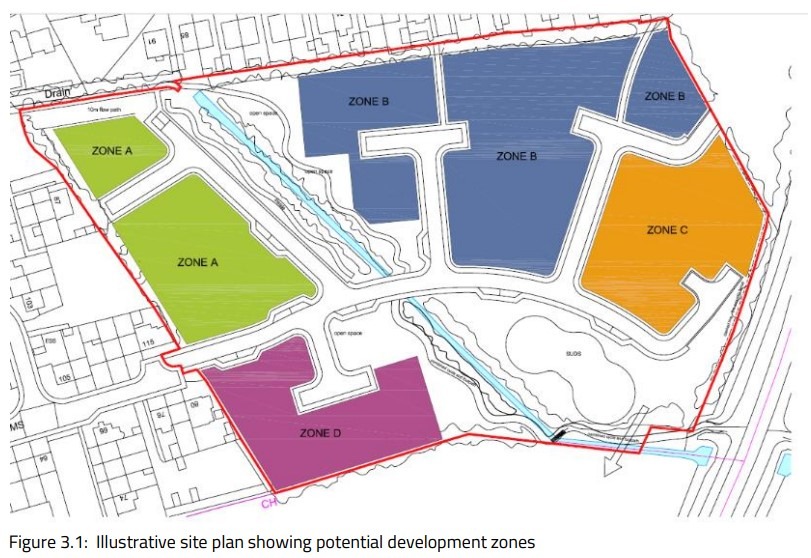
Local residents and Chatteris Town Council slammed the decision, calling the removal of social housing a “devastating blow” for families. The company had previously promised a mix of homes for sale and affordable housing, but a financial viability report claims the site cannot support even zero affordable homes.
At a council planning meeting, Councillor Ian Benney defended the move, arguing the town risks becoming a destination for households relocated from London if social housing remains. “Chatteris is a nice place,” he said, suggesting the loss of affordable homes helps preserve its character.
Nene Waterfront, Wisbech

Progress includes:
- Completion of a new electricity substation, funded via the Brownfield Land Release Fund.
- Pre‑application work on a new 70‑home Extra Care facility.
- Fenland Extra Care Consortium has exchanged contracts to acquire Plot 5 and has secured Reserved Matters approval.
- Plots 1–4 are now being marketed, with Plot 1 awaiting a formal offer.
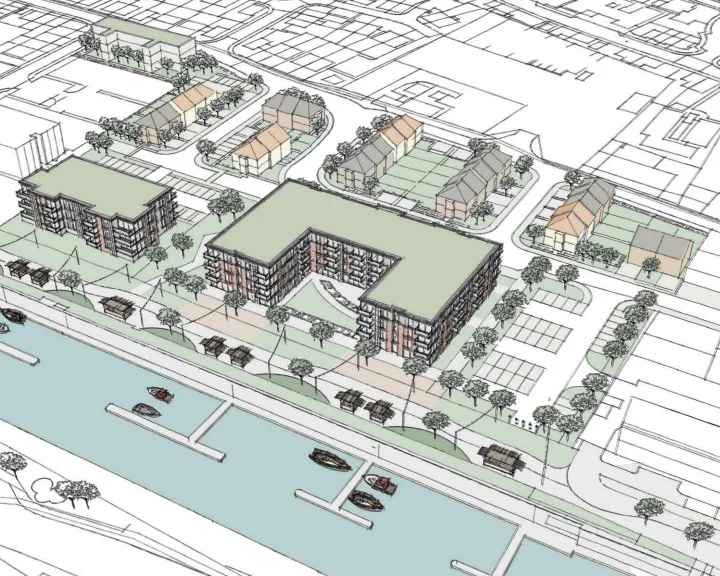
Last November Fenland’s planning committee approved detailed plans for the first phase of the Nene Waterfront regeneration in Wisbech. The Reserved Matters application from Fenland Extra Care Consortium covers plot five, originally approved for residential care and commercial use under June 2023 outline permission.
The approved scheme features a four-storey extra care facility with 70 apartments, including 55 one-bedroom units, two bariatric one-bedroom units, and 13 two-bedroom apartments. The U-shaped building will include a central courtyard with river views, 24 parking spaces, cycle provision, and landscaped communal areas.
Officials claimed the project meets a local need for specialist accommodation and is a key step in revitalising the Nene Waterfront, creating a vibrant new community space along Wisbech’s riverside.
However, these two schemes represent the only active development projects under the Investment Board’s remit.
A board without meetings — or momentum
The board is required to meet at least three times per year. Yet the report admits:
“There have been no formal Investment Board meetings in 2025/26 so far.”
Instead, the council has opted for monthly briefing updates circulated electronically — a significant departure from the board’s original “agile and commercial” mission.
The original strategy, approved in January 2020, emphasised that the board was intended to be more flexible and reactive than standard council committees:
“The Investment Board is a sub‑committee of Cabinet designed to be more ‘fleet of foot’… able to respond to opportunities in an agile and commercial manner.”
But with no meetings, no new opportunities, and a major review indefinitely paused, critics may question whether the board now fulfils its founding purpose.
Political leadership and responsibility
The update lists the senior councillors responsible for the strategy:
- Cllr Chris Boden, Leader and Finance Portfolio Holder — also Chair of the Investment Board
- Cllr Steve Tierney, Transformation, Communications & Environment
- Cllr Sidney Imafidon, Assets Portfolio Holder
The report itself is authored by the council’s Corporate Director & CFO Peter Catchpole, Chief Executive Paul Medd, Corporate Director & Monitoring Officer Carol Pilson, and Deputy Monitoring Officer Amy Brown.
But despite many layers of oversight, the report makes clear that the board has been largely dormant.
Is the strategy still viable?
Even though the strategy originally promised commercial returns that could strengthen the council’s long‑term financial position, the latest figures show:
Value delivered so far
- £230,000 annual rental income from the Wisbech commercial acquisition
- £754,593.15 benefit to revenue account (forecast to 28 Feb 2026)
- £200,000 capital receipt from FDC to FFL (to 31 December 2025)
But against this
- More than £2.4 million spent by Fenland Future Ltd
- Zero new opportunities brought forward in over 12 months
- Zero formal board meetings this year
- Long‑term strategy review deferred
- Local Government Reorganisation causing uncertainty
- Difficult economic conditions hindering investment viability
The question for Fenland Council is whether the strategy is still capable of meeting its original ambitions — or whether it is now a costly framework delivering incremental progress at best.
Future uncertain amid restructuring
The report concludes that more information will be brought to the Investment Board later in 2026 to address LGR‑related changes and financial planning implications. But with the strategy review on hold and no new projects in the pipeline, the future direction remains unclear.
The recommendation to Cabinet is simply:
- “Cabinet note this report.”
- “Cabinet agree that the ongoing review… is still currently deferred.”
For a programme once promoted as a transformative commercial approach, this subdued conclusion underscores the broader theme of the report: a strategy waiting for a reset — or a rethink.