
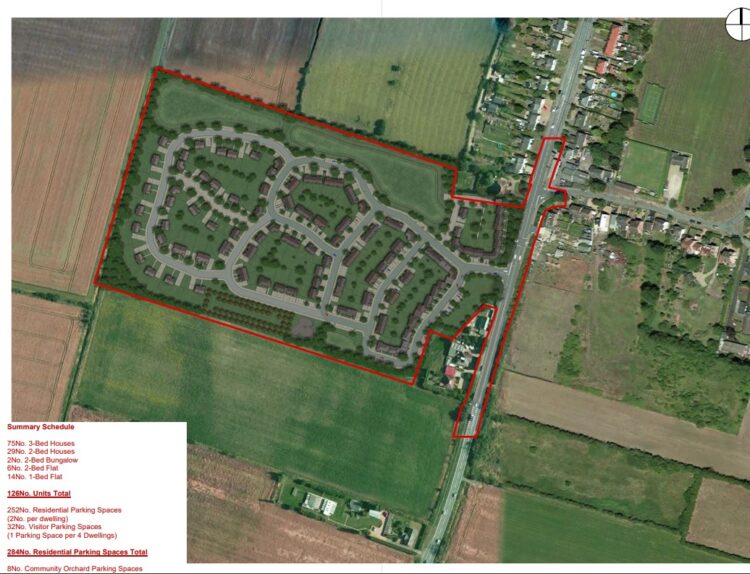
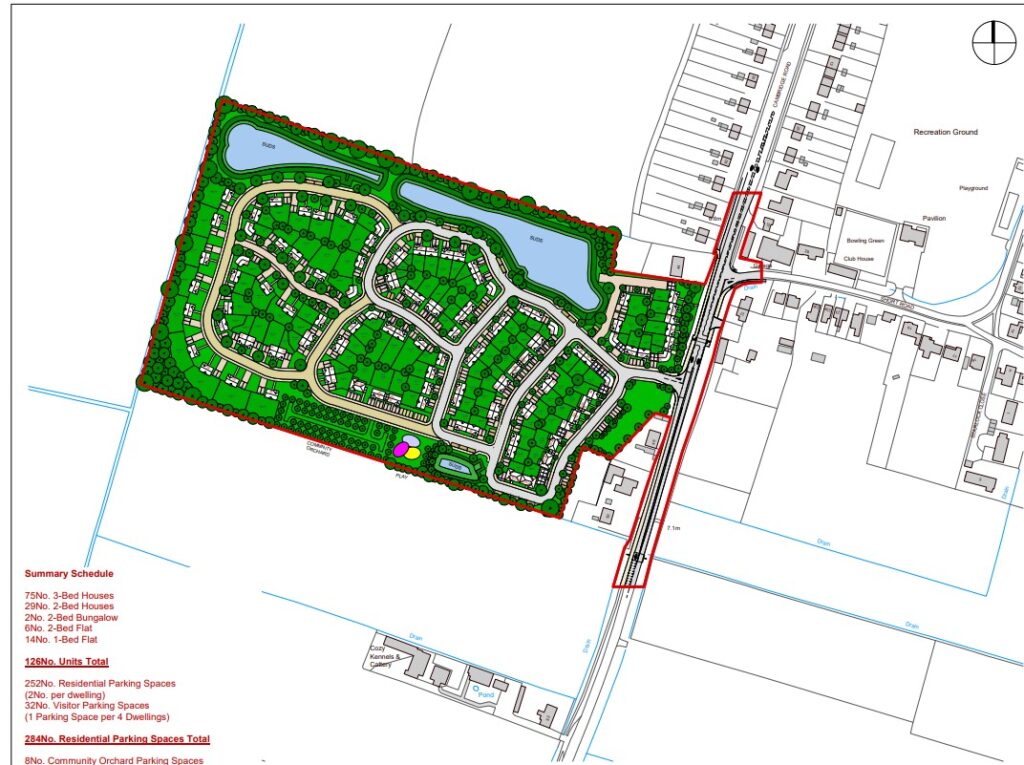
A major affordable housing development on the edge of Stretham near Ely has been approved on appeal, overturning an earlier refusal by East Cambridgeshire District Council and clearing the way for up to 126 homes to be built.
The scheme, proposed by Long Term Land Limited for land off Cambridge Road, was initially rejected by councillors in February 2025. However, following a public inquiry held in March 2026, a government-appointed planning inspector has now ruled in favour of the development.
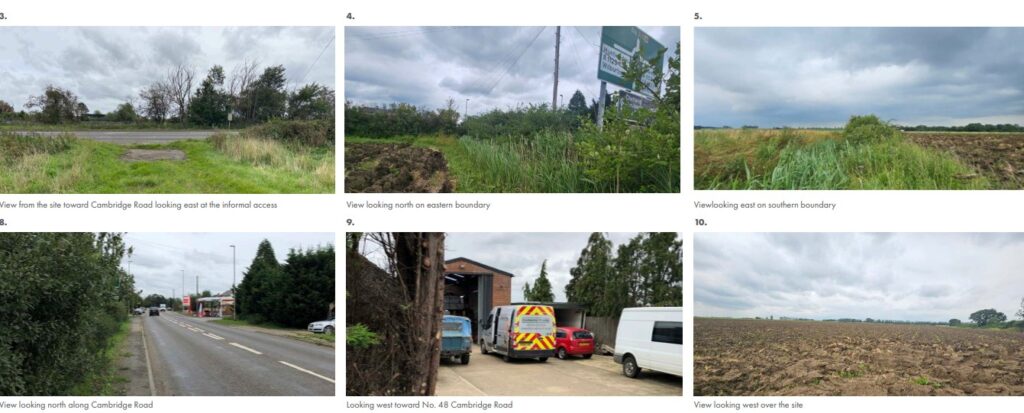
In the official decision issued on 1 May 2026, the Planning Inspectorate confirmed: “The appeal is allowed and planning permission is granted for the erection of up to 126 homes with associated access, parking and landscaping”.
❌ Why the council refused the scheme
East Cambridgeshire District Council had recommended refusal of the application, citing concerns over the scale of development, its countryside location, and its impact on the surrounding landscape.

Planning officers warned that the proposal conflicted with key policies designed to control development outside settlement boundaries.
Their report stated: “The proposed development seeks to introduce 126 affordable dwellings in the countryside on the edge of Stretham… [and] is considered to fundamentally conflict with Policy HOU 4 as it seeks to deliver a scale of development that is not appropriate to the level of identified local need or its location.”
Officers also raised concerns about landscape harm, noting the development would result in “significant long-term/permanent adverse landscape and character effects on the local area”.
Another key reason for refusal was the absence of a legal agreement to secure infrastructure contributions and affordable housing delivery, with the report stating the application “is not supported by a legal agreement deemed necessary to secure this”.
Council planners concluded the scheme would be unsustainable and recommended it be rejected due to its conflict with the local development plan.
⚖️ Appeal overturns decision
Despite these objections, the planning inspector ultimately took a different view, allowing the appeal and granting permission for the scheme.
The decision acknowledged that the proposal conflicted with aspects of local policy, particularly around scale and landscape impact.
The inspector found the development would cause “moderate to high adverse landscape and visual impacts” and confirmed it would exceed the level of affordable housing needed locally.
However, the inspector also placed significant weight on the wider benefits of the scheme, particularly the pressing need for affordable housing across the district.
The decision stated: “It is common ground that there is a significant need for affordable housing within the district as a whole”.
🏡 Affordable housing need decisive factor
A key factor in allowing the appeal was the contribution the development would make to tackling housing shortages beyond Stretham itself.
Although local need in the village was identified as lower, the inspector accepted that the broader district requirement justified the scheme. The report concluded that “the provision of 126 affordable homes should be afforded significant weight”.
This ultimately tipped the planning balance in favour of the developer, despite clear conflicts with the local plan.

📊 Balancing harm and benefit
The inspector’s ruling set out a clear planning balance between harm and benefit.
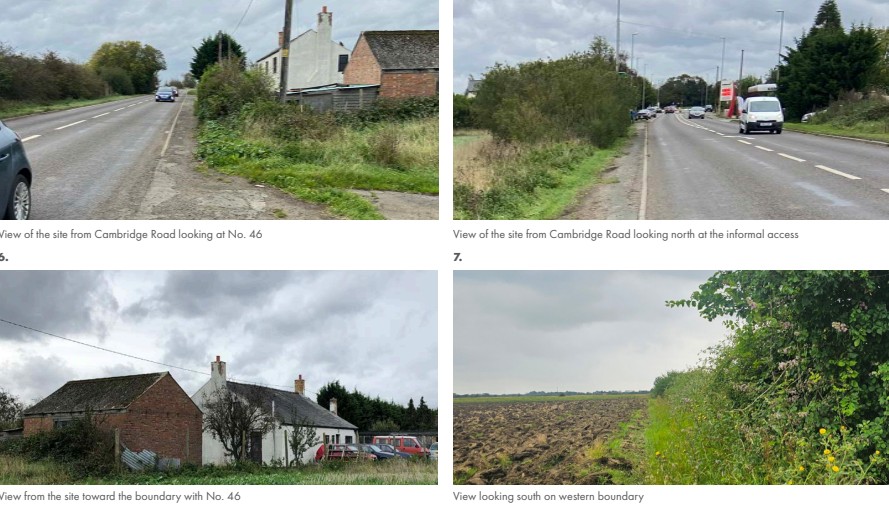
On the negative side, the development was found to conflict with policies relating to settlement boundaries and countryside protection. The inspector acknowledged that the scheme would exceed the level of affordable housing needed specifically in Stretham and would extend development into open arable land.
However, these concerns were outweighed by wider advantages, including improved infrastructure, biodiversity gains, and sustainable transport measures.
The decision highlighted that the scheme would deliver new highways improvements and access measures along the A10, as well as environmental enhancements through landscaping and biodiversity measures.
Crucially, the inspector concluded: “As a whole, the benefits associated with the proposal should be afforded substantial weight”.
🔁 Planning obligation issue resolved
One of the council’s reasons for refusal had been the absence of a legal agreement to secure contributions.
At appeal stage, this was addressed through a completed planning obligation. The inspector confirmed: “A completed Planning Obligation accompanies the appeal… [and] would secure the provision of the dwellings as affordable housing”.
This agreement ensures funding contributions toward education, healthcare, libraries, and other infrastructure, as well as long-term maintenance of open space and biodiversity measures.
📍 Site background and previous approvals
The land at Cambridge Road has a history of planning approvals for smaller affordable housing schemes.
Previous schemes for 19, 38 and 83 homes have already been granted permission, with the inspector noting that the 83-home scheme “forms a fallback position and that there is at least a reasonable prospect of the fallback scheme being implemented”.
This fallback position was an important factor in the appeal, as it demonstrated that development of the site was already considered acceptable in principle.
🧭 Final conclusion
In summary, while the council’s refusal focused on local planning policy, scale, and landscape impact, the planning inspector placed greater emphasis on wider housing needs and overall benefits.
The inspector concluded that “the considerations in favour of the appeal indicate that it should be determined otherwise than in accordance with the development plan”.
As a result, the appeal was allowed and planning permission granted.