

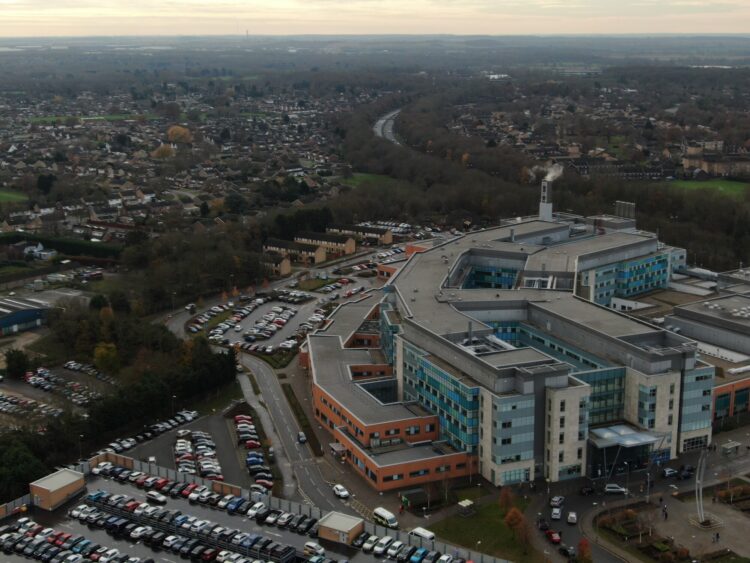
The NHS has announced major progress in reducing waiting times across Cambridgeshire and the east of England, with new figures showing thousands fewer patients are waiting for treatment compared to a year ago.
Latest NHS performance data published today revealed the overall waiting list in the east of England fell to approximately 895,000 by the end of March 2026 — down by more than 52,000 patients compared to the same period last year.
Nationally, the NHS has now achieved its target of ensuring 65% of patients wait no longer than 18 weeks for treatment following referral — a major milestone after years of pressure on health services.
For Cambridgeshire residents, one of the standout success stories was Cambridge-based specialist centre Royal Papworth Hospital NHS Foundation Trust, which recorded 78.8% of patients being treated within 18 weeks — among the best-performing trusts in the east of England.
Royal Papworth Hospital Leads Region with Faster Treatment Times

The heart and lung specialist hospital said improvements had been driven by expanded clinic hours, additional weekend procedures and the rollout of innovative technology designed to reduce delays for patients.
Among the changes introduced was AI-powered software capable of monitoring patients’ sleeping patterns remotely from home, helping reduce unnecessary hospital visits while speeding up diagnosis and treatment planning.
Harvey McEnroe, Chief Operating Officer at Royal Papworth Hospital, said staff across the trust should be “truly proud” of the achievement.
He said: “We’ve run extra clinics, carried out additional weekend procedures, introduced new technology and changed the way we work – all to make things better for the people in our communities who are waiting for our care.
“We understand how difficult it can be for people to live well while they wait, and we’re committed to continue doing even more to reduce our waiting times, particularly for our patients who have been waiting the longest.”
NHS Staff Praised Despite Winter Pressures and Strike Disruption
The improvements come despite what NHS England described as its busiest winter on record, with frontline teams dealing with soaring A&E demand, persistently high ambulance callouts and unprecedented GP appointment levels.
The NHS also confirmed that industrial action during 2025/26 led to an estimated loss of 171,776 appointments and procedures nationally.
Despite those challenges, the proportion of patients in the east of England treated within 18 weeks rose sharply from 55.1% last year to 61.3% by March 2026.
Adam Cayley, Regional Chief Operating Officer for NHS England – East of England, praised staff efforts across the region.
He said: “Our fantastic staff across the NHS continue to make the most of innovative techniques and tools to help bring down waits and provide the personalised support and care that people really value.

“While there is still more to do, trusts across the region have found many ways to approach these challenges through resourcing, scheduling and operational practices that have increased efficiencies and reduced waiting times.”
Ambulance and A&E Performance Also Improves
The latest figures also showed signs of improvement across emergency care services.
Response times for the most serious ambulance incidents — including suspected heart attacks and strokes — improved by an average of seven minutes compared to last year across the east of England.
The East of England Ambulance Service NHS Trust handled nearly one million incidents over the year despite an 8% rise in demand.
Meanwhile, A&E departments across the region treated 239,716 patients during April 2026 — more than 10,000 higher than the same month last year.
Despite the increase, more than three-quarters of patients were seen within four hours, improving from 74.4% to 76.8%.
Peterborough and Cambridgeshire Patients Continue to Feel Pressure
Although the latest figures show significant progress, NHS leaders admitted many patients across Cambridgeshire and Peterborough are still waiting longer than desired for treatment and diagnostic tests.
Hospitals across the region, including North West Anglia NHS Foundation Trust, which runs Peterborough City Hospital, continue working to reduce backlogs and improve patient flow.
Health leaders say expanded clinics, digital technology and closer partnership working between hospitals, GPs and community services will remain central to cutting waiting times further during the coming year.
NHS Trusts Across East of England Show Improvement
Several trusts recorded major gains over the last 12 months:
- East and North Hertfordshire Teaching NHS Trust exceeded 69% performance against the 18-week target
- West Suffolk NHS Foundation Trust improved diagnostic testing rates from 40% to 86%
- The Princess Alexandra Hospital NHS Trust increased 18-week performance from 46.2% to 64.1%
NHS England said trusts had achieved the improvements through operational changes, weekend clinics, better scheduling and greater use of digital patient communication systems.