

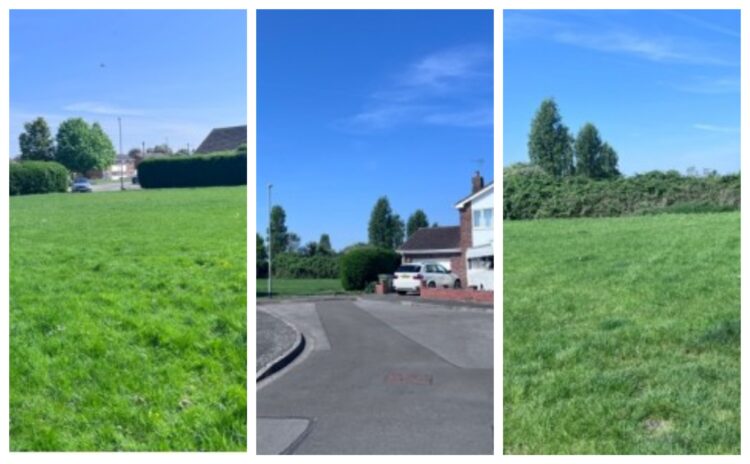
An extraordinary internal clash has erupted inside Fenland District Council after planning officers recommended refusing the council’s own controversial proposal to build two homes on a longstanding area of public open space in March — only for the chairman of the planning committee to intervene and insist the scheme be decided publicly by councillors.
The dramatic exchange, revealed in internal council correspondence, has intensified anger among Brewin Avenue residents already furious at proposals to build on land many say has always been treated as protected community green space.
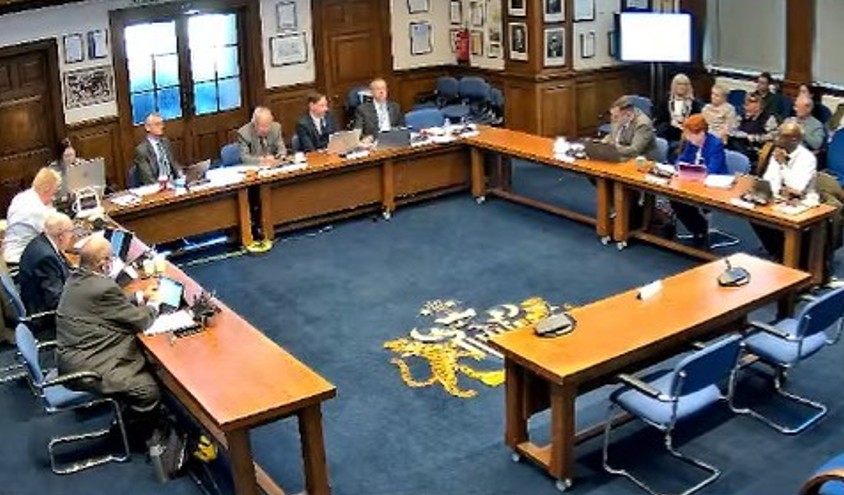
The application, which goes before the council’s planning committee on May 13, seeks permission for two new homes on land west of 37 Brewin Avenue.
Planning officers concluded the development should be refused because it would result in the unjustified loss of open space and would harm the character of the area.
But internal emails show senior planning officers initially hoped to refuse the application under delegated powers before intervention from committee chairman Cllr David Connor.

In an email sent on April 23, Development Manager David Rowen wrote to Cllr Connor: “Please find attached the officer report in relation to the above. I would be grateful to receive confirmation that this can be a delegated decision.”
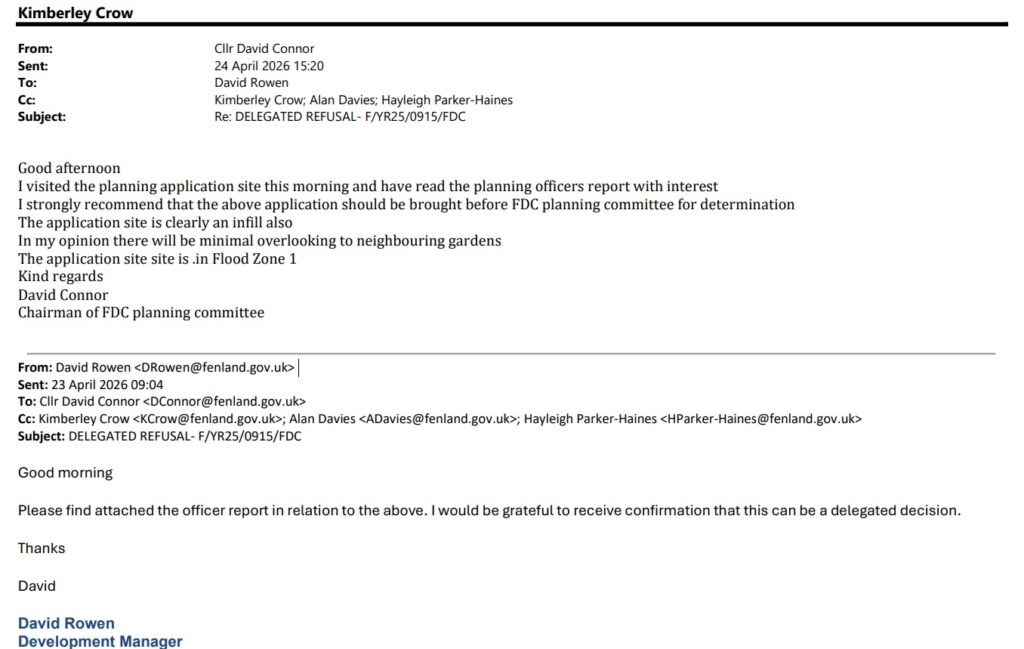
However, the following day Cllr Connor replied after personally visiting the site.
He wrote: “I strongly recommend that the above application should be brought before FDC planning committee for determination.
“The application site is clearly an infill also in my opinion there will be minimal overlooking to neighbouring gardens.
“The application site is in Flood Zone 1.”
The exchange is highly unusual because officers had already reached a clear recommendation for refusal — including against their own council’s proposal — yet the planning committee chairman intervened to ensure the final decision would instead be placed before councillors in a public meeting.
The move is likely to fuel accusations from residents that some within the authority are determined to push the scheme through despite widespread opposition.
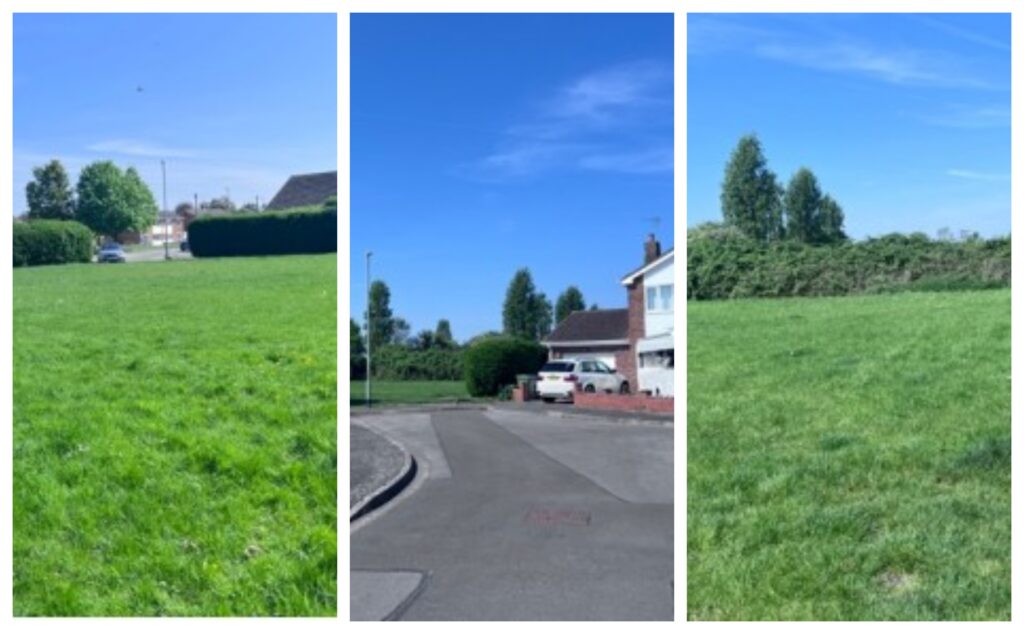
Residents have accused the council of trying to cash in on community land which residents say has been used as a play area and recreational green space for generations.
Many believe the eventual sale of two building plots could raise well in excess of £200,000.
One resident who has lived on the avenue since 1967 said: “My plans show the area in question as a play area/green area for the residents of Brewin Avenue which they have always been.
“My children played on the area, I use the area when walking my dog many days during the week, as do many other residents.”
Another resident wrote: “This area has always been an area for the residents of Brewin Avenue as a recreational area.”
Several residents challenged the council’s description of the proposal as fitting naturally into the street scene.
One objector said the homes resembled “chalet bungalows” and “most certainly do not go in line with the rest” of the avenue. A design and access statement describes the proposed homes as “one and half storeys in height to harmonise between the bungalows and two storey housing”.
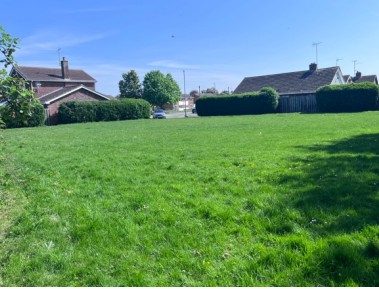
Another resident warned one of the proposed homes would overlook neighbouring properties and damage privacy.
Planning officers themselves raised serious concerns over the layout, warning the development would create an awkward “back land form of development” out of keeping with Brewin Avenue’s established pattern of homes.
Their report stated the proposal was “unacceptable in terms of character and visual amenity”.

But Cllr Connor’s intervention suggests he took a significantly different view after his own site visit, describing the proposal as “clearly an infill”.
Residents also raised major concerns about flooding and drainage.
Multiple objections referred to a drainage system installed beneath the site in recent years to alleviate flooding problems in Brewin and Birchwood Avenue.
One resident questioned how the infrastructure could be maintained if houses were built above it.
Another warned disturbing the drainage system could worsen existing flooding problems in the area.
Parking and construction access fears also dominated objections.
Residents described the entrance to the proposed site as “very small” and warned construction traffic would create hazards on already congested roads.
“There is nowhere for lorries and contractors to park,” one resident wrote.
Environmental concerns have added further controversy.
Residents claimed hedgerows on the site support birds and wildlife including sparrows and bats, directly disputing ecological conclusions submitted with the application.
One objector said: “The bramble hedge houses many birds especially sparrows which as you know are in decline.”
The row has also exposed questions over ownership of the land itself.
Internal council correspondence shows neighbouring residents challenged whether the authority legally owned the site.
In response, Fenland District Council’s Interim Disposal Surveyor Peter Lapham explained the original developer went bust before formally transferring the land to the council in 1970. He said the authority later secured possessory title in 2012 after maintaining the land for years, with ownership subsequently upgraded to full title.
Despite technical consultees raising no major objections on highways or environmental health grounds, planning officers concluded the proposal fundamentally conflicts with local and neighbourhood planning policies protecting open space.
The officer report states no evidence was provided to show the land was surplus to requirements or that replacement open space would be created elsewhere.
It also highlighted an existing shortage of informal amenity space across the district.
March Town Council also expressed concern, stating it could not comment fully until the status of the “public open space” had been clarified.
The politically sensitive application will now be decided publicly by councillors on May 13 — setting up what promises to be a tense and closely watched meeting.
For residents fighting to save the land, the stakes could hardly be higher.
One warned locals would be “watching with considerable interest” when the matter finally reaches committee.