


After more than four decades as an open, breathing part of community life, Werrington Fields now stands on the brink of permanent change. But as Peterborough City Council prepares to sign off a 125-year lease that will fence off the majority of this cherished green space, one question refuses to go away: Why the rush?
With a Cabinet decision scheduled for March 24—just weeks before local elections—the timing alone should give pause. Add in years of contested negotiations, unresolved concerns over transparency, and the clear, persistent voice of local residents who feel shut out of the process, and the case for delay becomes not just reasonable—but necessary.

This is not simply about land. It is about trust, governance, and whether a community that has consistently shown up, spoken out, and engaged in good faith is finally heard.
Tuesday’s vote is crucial since officers are advising Cabinet to delegate to them approval of the final steps needed to settle the long‑running dispute over the Ken Stimpson Academy playing fields and complete the school’s academisation arrangements.
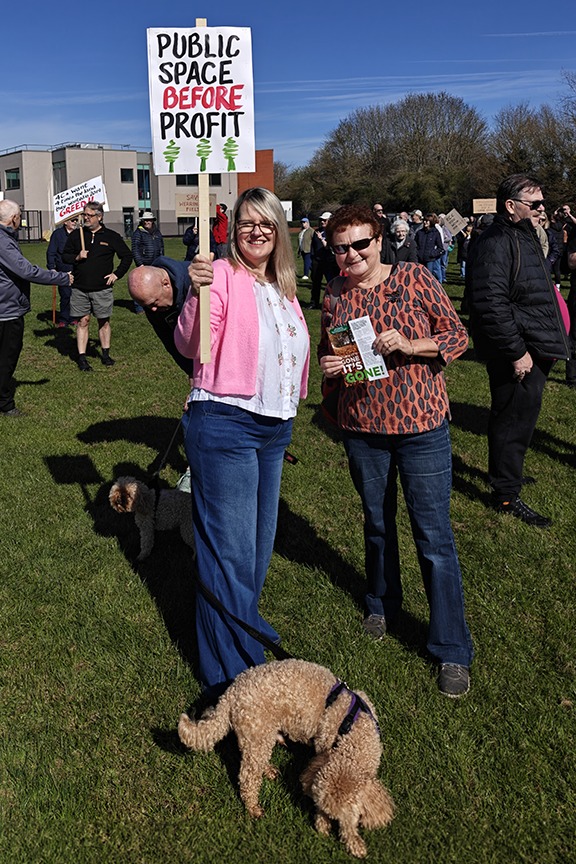
The report to Cabinet explains that the Academy Trust took the council to Judicial Review in 2025 after both sides failed to agree how much land should be included in a 125‑year lease. It notes that Cabinet later instructed officers to pause the court case and negotiate; that agreement, they argue, has now been reached.

Cabinet is being recommended to approve a lease giving the Trust the main playing field area, while keeping a buffer strip around the edge for public use, and to agree a new Community Use Agreement so residents can continue accessing the fields outside school hours.
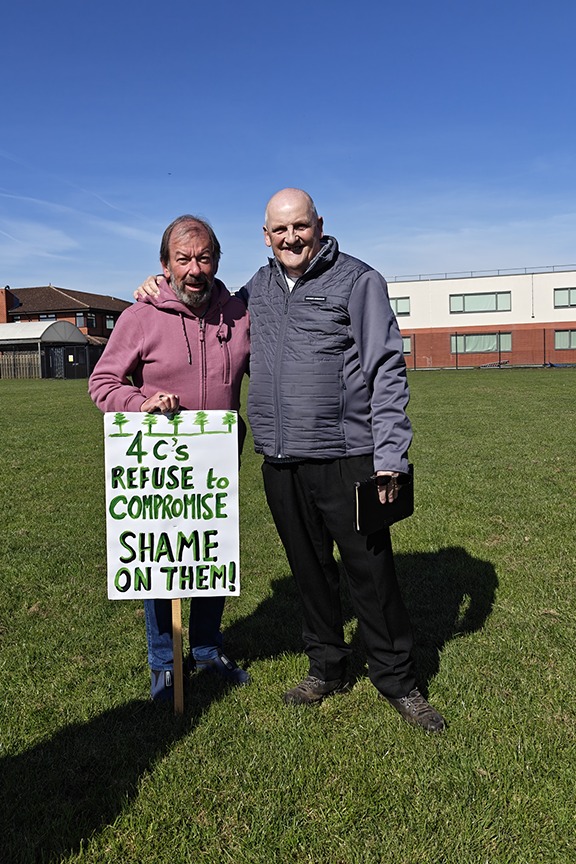
Officers are also asking Cabinet to delegate authority to finalise the legal documents and to settle the Judicial Review on terms that avoid costly litigation—estimated at £100,000–£150,000 if fought in court.
But nowhere in the accompany documents does it say a decision must be made on Tuesday. Cabinet can, if it chooses, delay the process.
A community asset—not just spare land
For over 40 years, Werrington Fields has never been “just” school land in the eyes of residents. It has been a shared space—informal, yes, but deeply embedded in daily life.
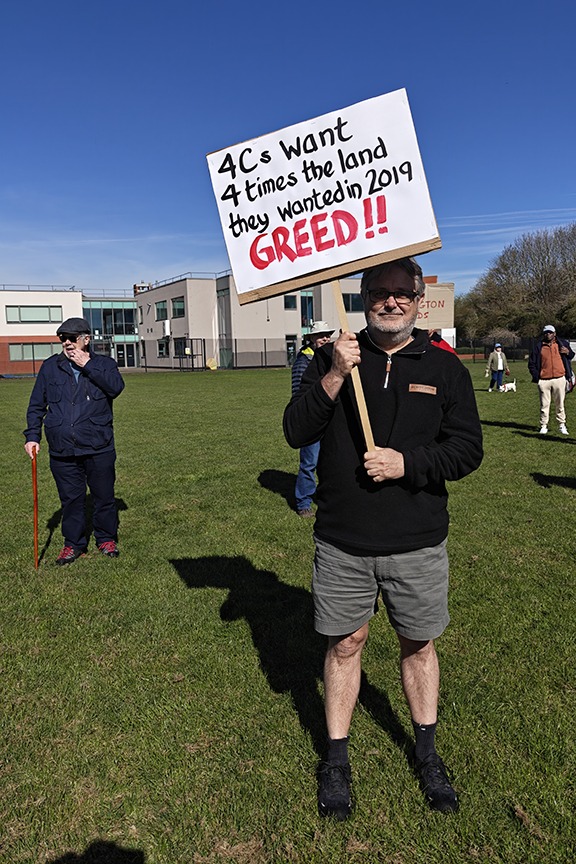
Even the council’s own report acknowledges this reality. It concedes that the land has been used continuously since the early 1980s and that vulnerable groups—including disabled people and older residents—are likely to be disproportionately affected by its loss.
That matters. Because when a space like this disappears behind fencing, the impact is immediate, practical, and deeply personal.

The deal on the table: a compromise or a capitulation?
Let’s be clear about what is being proposed.
- A 125-year lease of almost the entire field to the Four Cs Multi Academy Trust
- Installation of a 2-metre perimeter fence
- A narrow buffer strip—between 10 and 27 metres—retained for public use
- Community access to the main field only outside school hours, under a formal agreement
- Withdrawal of the ongoing Judicial Review
On paper, this is presented as a compromise. In reality, many residents see it as something else: the formal closure of a space that has always felt open.
Yes, a strip of land remains. Yes, there will be scheduled access. But that is not the same as what existed before. Not even close.
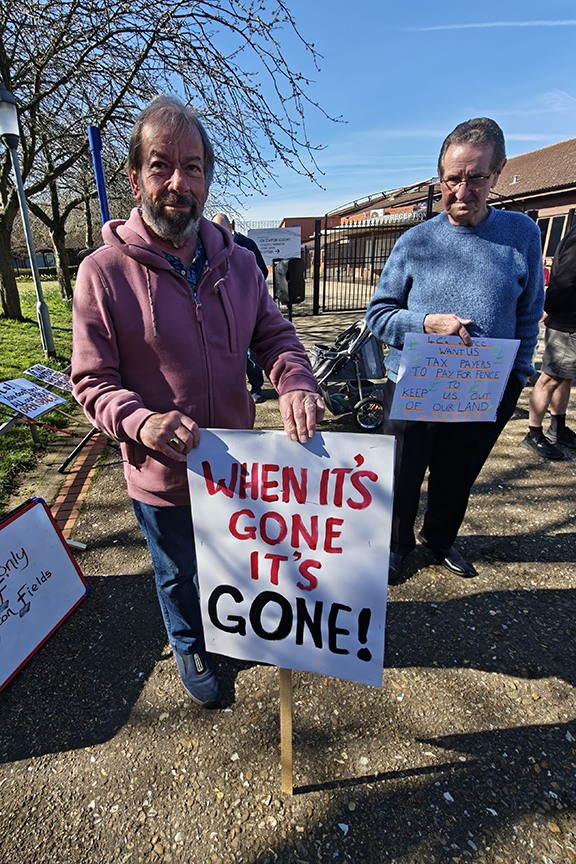
And crucially, it is a shift that many believe has been forced through without proper engagement.
The core problem: process, not just outcome
If this were simply a disagreement over land use, it might have resolved long ago. What has sustained and intensified this dispute is something deeper: a breakdown in trust.
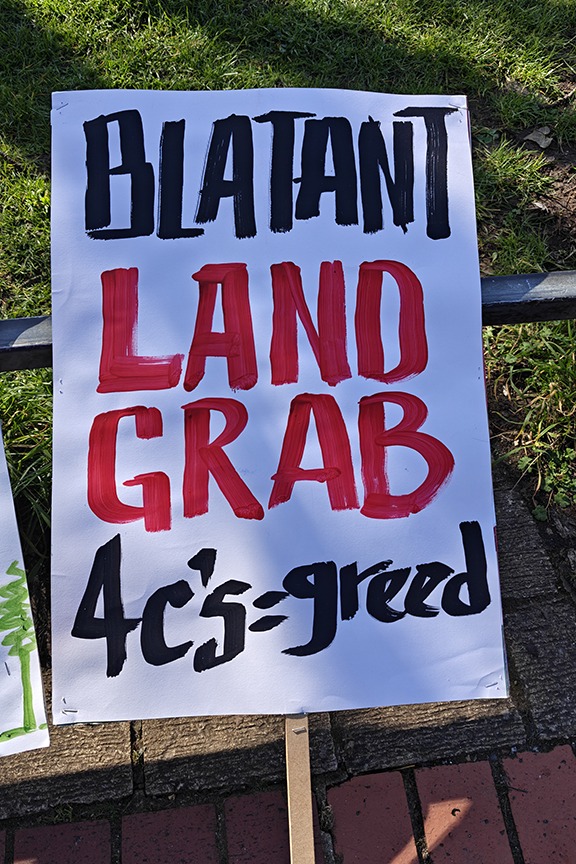
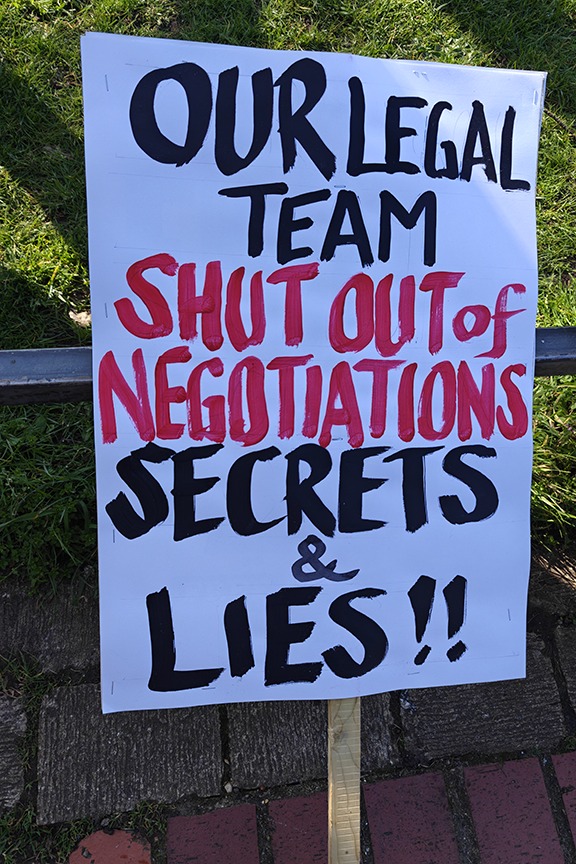
Members of the Save Werrington Fields campaign have consistently argued that they were excluded from meaningful negotiation. More than 100 requests to be involved were reportedly submitted. None were accepted.
Let that sink in.
A community directly affected by a major, irreversible decision—locked out of the room where it was being shaped.
Even ward councillors were sidelined due to the legal context.
Instead, residents are now told their views will be “reported verbally” to Cabinet, after negotiations have already concluded.
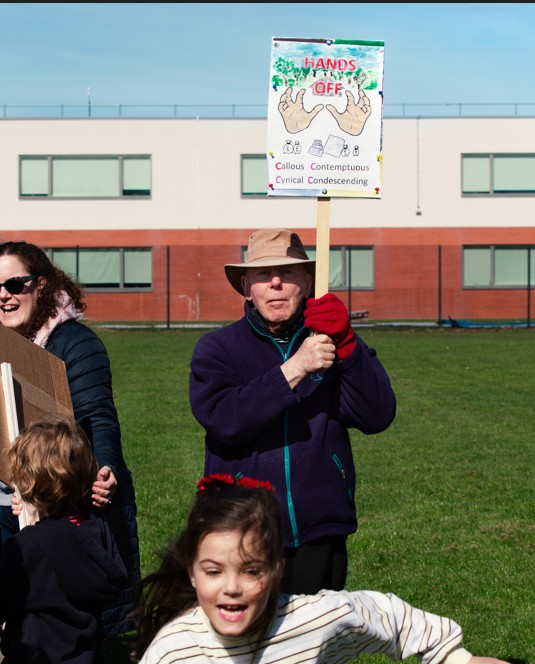
That is not engagement. And it is precisely why so many feel the process has failed them.
Legal and governance concerns that won’t go away
Adding to the unease are serious concerns raised about the conduct of the academy trust itself.
Supporters point to what appears to be a systemic failure to properly acknowledge and respond to formal complaints submitted under the Trust’s own procedures.
Failure to engage with complaints raises questions about:
- Procedural fairness
- Compliance with the Academy Trust Handbook
- Whether alternative remedies have been properly exhausted
In any legal context—especially one involving a Judicial Review—these are not side issues. They are central.

As one observer put it plainly: this creates a “clear and avoidable legal vulnerability.”
It also raises the prospect of regulatory scrutiny from the Education and Skills Funding Agency, particularly where concerns intersect with transparency and financial oversight.
And yet, despite this, the process is being pushed toward rapid conclusion.
The timing: a decision in the shadow of elections
It is impossible to ignore the political context.
The decision is being brought forward just six weeks before local elections. Internal correspondence has referenced the electoral timeline. The council has not explained the urgency.
But residents are drawing their own conclusions.

After years of delay, reversals, and stalled negotiations, why must this now be resolved immediately?
Why not take a few more weeks—after elections, in a less charged environment—to reopen dialogue properly?
What is gained by pushing this through now, and what is lost?
A better path still exists
This situation is not beyond repair. But it requires one simple, decisive step: delay the decision.
Not indefinitely. Not to restart the entire process. But to allow:
- Genuine, transparent dialogue with residents
- Proper scrutiny of governance concerns
- Clarification of the Community Use Agreement before commitments are locked in
- A reset in tone—from confrontation to collaboration
This is not radical. Because once this lease is signed, once the fencing goes up, once the Judicial Review is withdrawn—the leverage is gone.
And with it, the opportunity to get this right.
The community has already done its part
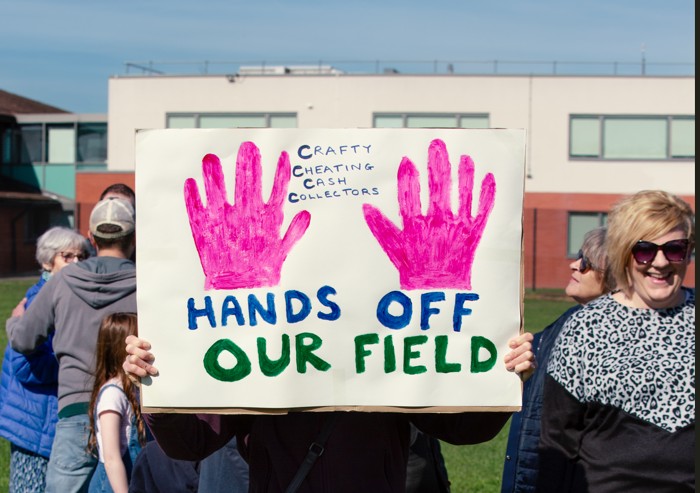
If there is one thing this process has demonstrated beyond doubt, it is the commitment of local residents.
They have:
- Organised
- Submitted formal responses
- Engaged with legal processes
- Attended meetings
- Persisted over years of uncertainty
They have not been passive. They have not been silent.
As one supporter put it: “No one can say you didn’t show up and speak up.”
A final word to the Cabinet of Peterborough City Council
You still have time.
Time to pause.
Time to listen.
Time to show that transparency and accountability are not just words in a report, but principles that guide action.
Delaying this decision is not weakness. It is leadership.
Because the real failure here would not be revisiting the deal—it would be locking it in while so many legitimate concerns remain unresolved.
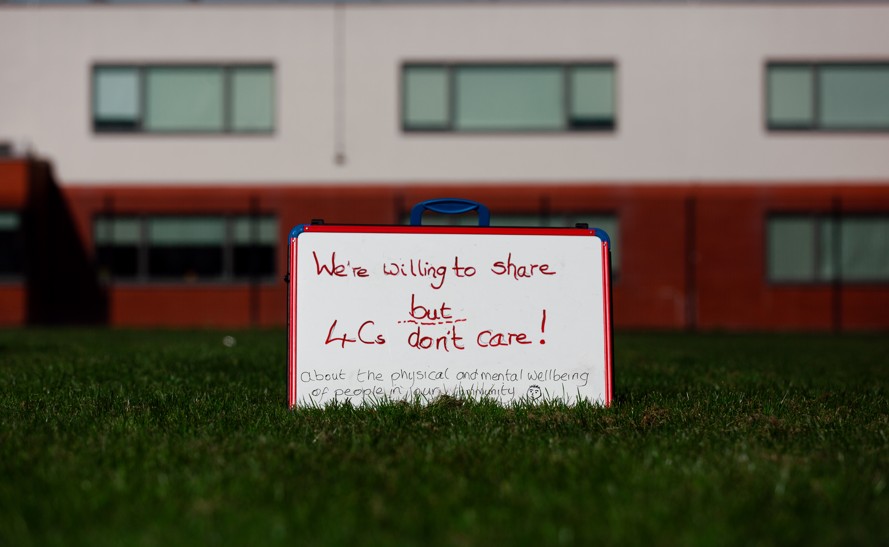
Werrington Fields has been open for over 40 years.
It can wait a few more weeks.
The question is: will you?