
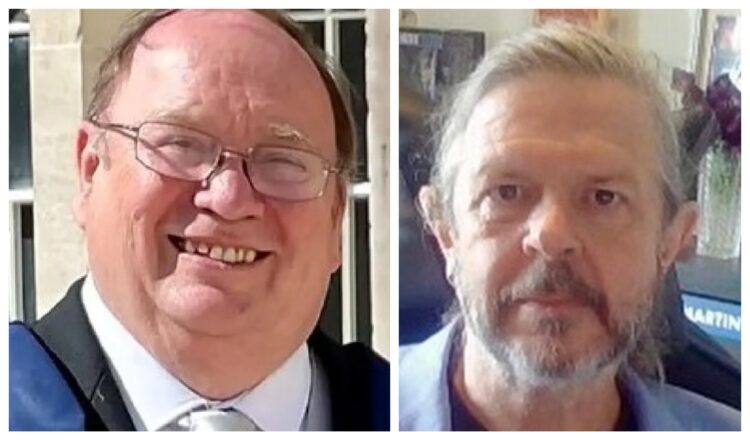
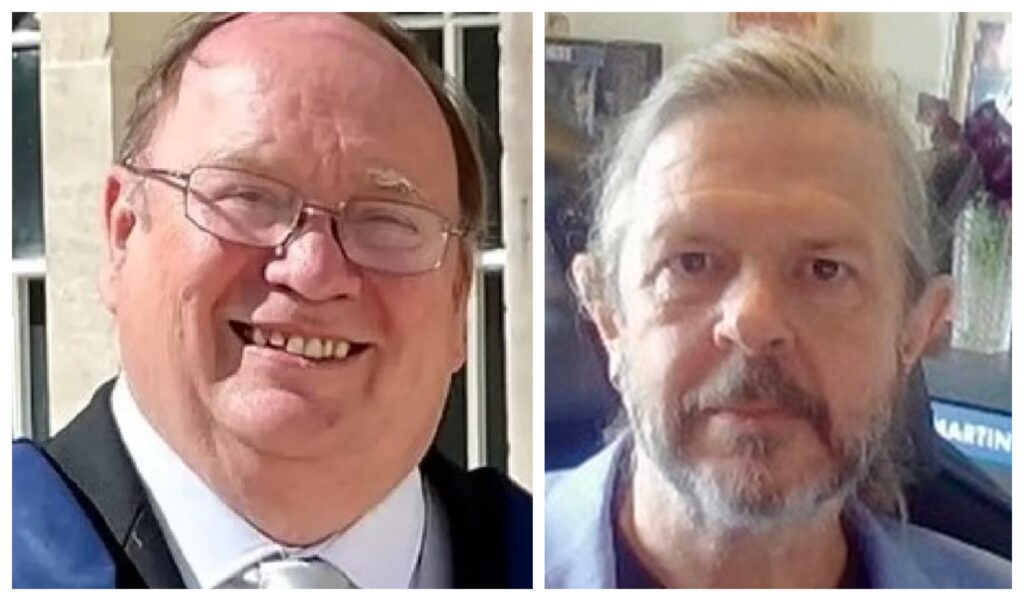
Fenland’s bitter row over the future of free parking exploded into public view this week after a social media clash between former Cambridgeshire County Council leader Martin Curtis and current Fenland District Council leader Chris Boden following CambsNews’ exclusive report on the authority’s controversial civil parking enforcement plans.
What began as a debate about tackling illegal parking in March, Wisbech, Chatteris and Whittlesey rapidly descended into accusations of hypocrisy, warnings over the death of free parking and a fierce political argument about Fenland’s future under local government reorganisation.
The dispute erupted after CambsNews revealed Fenland councillors had approved an £865,000 civil parking enforcement (CPE) scheme despite officers warning it had “no obvious positive business case” unless parking charges were eventually introduced.
Although councillors insisted they remained committed to keeping parking free across Fenland’s four market towns, the report made clear the scheme is expected to run at an annual deficit approaching £93,000.
That financial reality immediately triggered criticism from Curtis, the former Conservative councillor who once led Cambridgeshire County Council before unsuccessfully attempting a political comeback as an independent.

Reacting publicly to the story, Curtis warned the decision had effectively laid the groundwork for future parking charges regardless of current promises from Fenland councillors.
“This is a shocker,” he posted online.
“They are offloading the consequences of this decision on the new council, and they will have no choice but to introduce car parking charges.”
His comments struck directly at one of Fenland District Council’s most politically sensitive issues.
For decades, free parking has been fiercely defended by Fenland councillors as essential for protecting struggling high streets in towns already battling economic pressures and retail decline.
But Curtis argued the authority’s own financial modelling exposed the contradiction at the heart of the decision.
Under current projections, the enforcement scheme would cost significantly more to operate than it would generate through penalty charge notices.
Council leader Chris Boden quickly hit back, insisting the situation was far more complex than Curtis suggested and linking the future of free parking to the looming overhaul of local government across Cambridgeshire.
“Martin, the truth is more complicated than you suggest,” Boden replied.
He argued that if Fenland were absorbed into a larger “Greater Peterborough Council”, then councillors from Peterborough would likely push through parking charges across Fenland towns.
However, he claimed a different reorganisation model involving Fenland, East Cambridgeshire and parts of Huntingdonshire could preserve free parking because areas currently supporting free parking would form the majority within the new authority.
“Whether or not we retain free parking will depend upon the quality of the councillors that local people elect next May,” Boden said.
But Curtis refused to back down.
“It isn’t complicated at all,” he fired back.

“Wherever Fenland ends up, we should be absolutely clear, this decision to introduce CPE so that it operates without a huge financial deficit has made it far, far more likely that we will see the end of free car parking.”
The increasingly personal exchange exposed a profound disagreement over whether Fenland’s leadership is genuinely protecting free parking or merely delaying an inevitable political reality.
Boden insisted the real threat comes from Whitehall’s restructuring plans rather than the enforcement scheme itself.
“The decision which the Government makes this July will be the most important factor in determining whether or not we can retain free parking in Whittlesey,” he responded.
“Regardless of that July decision, I’ll be fighting to retain our free parking. But that fight will be an uphill one if the government decides that we are going to be run from Peterborough.”
Curtis then delivered his sharpest attack yet, accusing Boden of saying one thing publicly while approving policies that make the opposite outcome unavoidable.
“You have literally just taken a decision that makes retaining free parking a financial liability for any future council,” Curtis wrote.
“Saying you want to fight to retain free parking at the same time as doing this is just out and out hypocrisy. No more, no less.”
The social media war now risks deepening political tensions around one of Fenland’s biggest upcoming decisions.
The original Cabinet debate already exposed growing anxiety among councillors about the financial burden attached to civil parking enforcement.
Councillors were told implementation costs had risen dramatically and could climb further before enforcement powers finally become operational in 2028.
Documents presented to members showed the scheme could leave taxpayers carrying a cumulative operational deficit of almost £465,000 over its first five years.
Despite that, councillors repeatedly drew a political red line against introducing parking charges.
Deputy leader Jan French declared she had opposed charging since 1993, while councillor Steve Count warned paid parking would become “the death knell for the high streets”.
Yet critics argue the economics simply do not add up.
With Fenland expected to hold only a small minority of seats in any future unitary authority, opponents fear free parking could quickly become one of the first casualties of wider budget pressures.
The increasingly hostile Curtis-Boden exchange appears to have crystallised that fear into a much wider public political battle — one likely to intensify as local government reorganisation edges closer and Fenland residents begin asking whether free parking can genuinely survive beyond 2028.