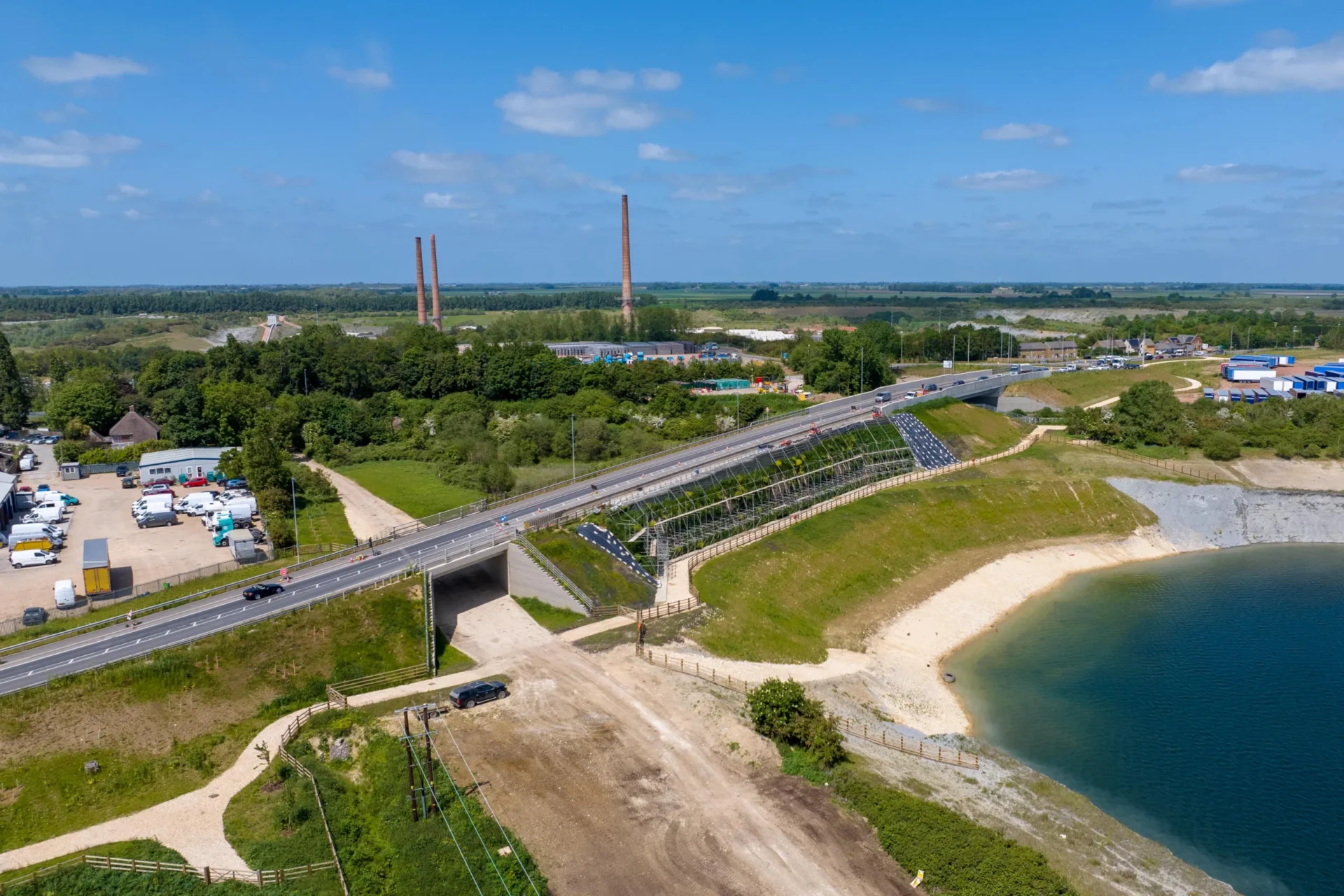

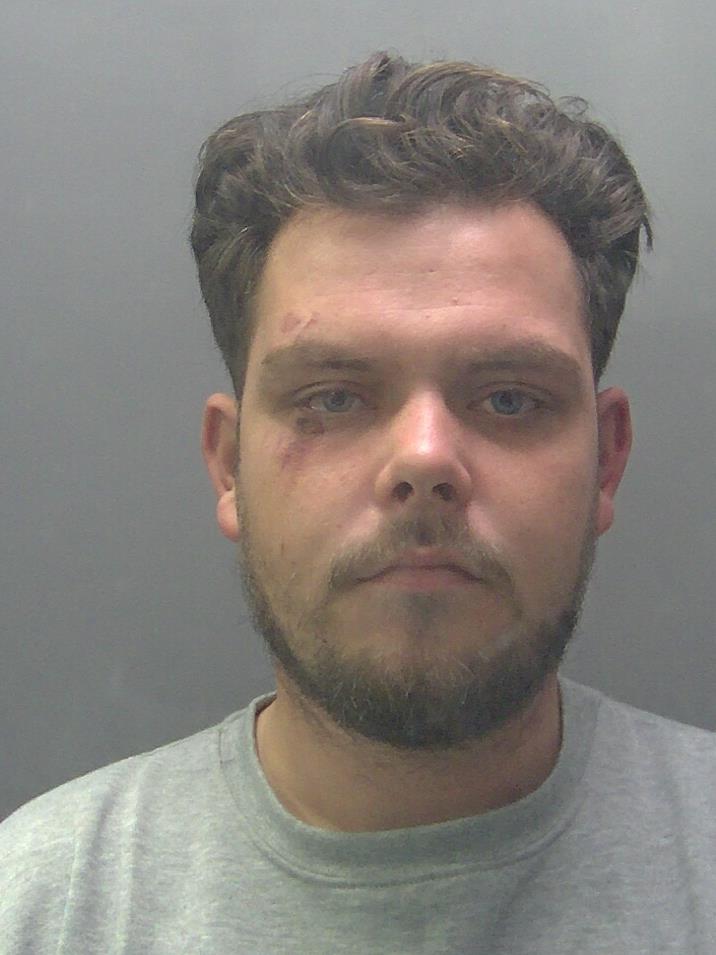
Questions are mounting over Britain’s open prison system after Sonny Loveridge – described by a detective as ‘dangerous individual’ – failed to return to an open prison in Suffolk despite only being jailed around 18 months ago for a crime spree that ended in death on the roads of Manea.
Loveridge, 28, and formerly of Stretham Station Road, Wilburton, is serving an 11-year-and-eight-month sentence for causing death by dangerous driving and attempted robbery.
“Loveridge was on temporary release but failed to return to the prison as required on Tuesday evening, 20 May,” said a spokesperson for Suffolk Police.
“Members of the public are advised not to approach him and should call police on 999 immediately if they see him, quoting crime reference 37/28856/26.
“Anyone who has any information regarding his whereabouts is asked to contact Suffolk police on 101.”

With a capacity of 485 prisoners, HMP Hollesley Bay near Woodbridge and on a Government website is described as “an open prison for adult males who are coming to the end of their sentence or who have been assessed as posing minimal risk to the public. Prisoners spend most of their day away from their accommodation, studying or working”.
The fact he was being housed there at all is likely to spark disbelief among residents of Manea still haunted by the tragedy that tore through their village on October 22, 2023.
Loveridge drove a silver Ford Focus to the One Stop shop in Park Road, Manea, at around 7.10pm while his accomplice, 36-year-old John Hayden, entered the store carrying a metal bar. Hayden demanded cash from staff while threatening there was another man waiting outside in the car.
But the robbery failed when the shopkeeper and his mother locked themselves behind the tills, leaving Hayden to flee the store empty-handed.
What followed just minutes later turned the failed robbery into a fatal tragedy.
As the pair sped away from Manea, Loveridge crashed the Ford Focus into a ditch on Byall Fen Drove near Chatteris.
Hayden was thrown from the vehicle and pronounced dead at the scene.
Loveridge suffered only minor injuries but was later found to be over the legal alcohol limit. Police also discovered the Ford Focus had cloned number plates.
At Peterborough Crown Court, Loveridge admitted attempted robbery and causing death by driving without due care and attention while unfit through drink. He had also admitted a separate robbery at a shop in Wickhambrook, Suffolk, carried out in February 2023.
In that earlier incident, staff at the Suffolk post office were reportedly manhandled after two men armed with hammers entered the premises at closing time, smashed the till and stole cash before fleeing.
Loveridge was jailed for 11 years and eight months and banned from driving for 15 years and 10 months.

Following the sentencing, Detective Constable Pete Wise said: “Loveridge is a dangerous individual who had already carried out a violent robbery before attempting to rob the shop in Manea.
“Not only this, but he also drove after drinking and killed his accomplice, so I’m glad he’s been jailed for a long time.”
Villagers might not be alone in questioning why a man convicted over such serious offences had already progressed to open prison conditions so soon after sentencing.
Open prisons are designed for inmates considered low risk and nearing the later stages of rehabilitation. Prisoners are often allowed to work in the community, take temporary release and prepare for eventual reintegration into society.
The disappearance has reignited long-running concerns over absconding inmates from open prisons across the country.
Hollesley Bay Prison is a Category D open prison designed to prepare inmates for release back into the community. Prisoners held there are considered suitable for lower-security conditions and can take part in work placements, training and rehabilitation programmes outside the prison grounds.
Unlike high-security jails, open prisons rely heavily on trust, with inmates expected to comply with strict conditions and return after authorised release or work activities.
Although prisoners in Category D institutions are technically trusted not to escape, dozens fail to return every year after release on temporary licence, work placements or approved leave.
In April 2024 HM Inspectorate of Prisons carried out an unannounced inspection in and its chief inspector, Charlie Taylor, described the prison as “safe” and “decent”.

But he also noted that there had been eight absconds in the previous 12 months from the inspection.
His report said that this was higher than most other open prisons however the number had reduced since its peak in 2021.
Under current prison rules, inmates can become eligible for transfer to lower-security conditions if authorities believe they no longer present a high risk of escape or danger to the public. Behaviour in custody, risk assessments and sentence progression can all play a role.
Even so, many members of the public are likely to see the timeline as startling.
An 11-year-and-eight-month sentence is a substantial jail term, and the fact the inmate had reportedly reached an open prison within roughly 18 months of conviction is likely to provoke fresh scrutiny of how decisions are made.