
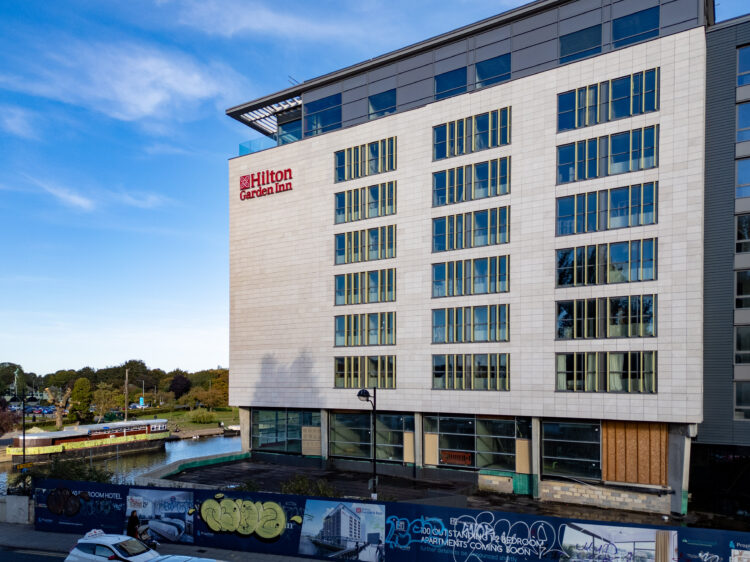
When Peterborough City Council’s Cabinet – Conservative run – unanimously approved a £15 million loan to help deliver a flagship riverside hotel in September 2017, councillors were told the investment was secure, controlled, and reversible.
If the deal failed, they were assured, the council would retain the land, the value of the asset would protect public money, and the city would still be able to complete the development.
Eight years on, the unfinished hotel stands as one of the council’s most expensive commercial failures.
The borrowing has grown to around £17 million plus interest, administrators say full repayment is not expected, public money has already funded over £1 million in administration and protection costs, and a claimed £5 million internal asset has largely evaporated.
This investigation reconstructs, document by document, how the decision was made, what councillors were told, and how events unfolded into insolvency.

The Cabinet decision: confidence, urgency, and a unanimous vote
On the morning of 25 September 2017, Peterborough City Council’s Cabinet met with all members present and no apologies for absence.
Before discussion began, it was formally declared that:
- Cabinet chair Councillor John Holdich and Councillor Peter Hiller were directors of the Peterborough Investment Partnership (PiP), the council‑owned joint venture involved in the wider Fletton Quays scheme.
- Both were permitted to remain in the meeting because the loan related to Norlin Hotels Holdings Limited, not PiP itself.
The Cabinet member for resources Cllr David Seaton introduced the proposal: a £15 million lending facility for 24 months to fund construction of a 160‑bed hotel at Fletton Quays.
Cabinet was told the loan would:
- Be charged at a commercial interest rate
- Generate a “substantial six‑figure profit” for the council
- Be fully secured against the land and construction works
- Be monitored through independent valuations and council oversight
Members were also told the proposal was not primarily about profit, but about ensuring the entire Fletton Quays regeneration scheme was delivered together and on time.
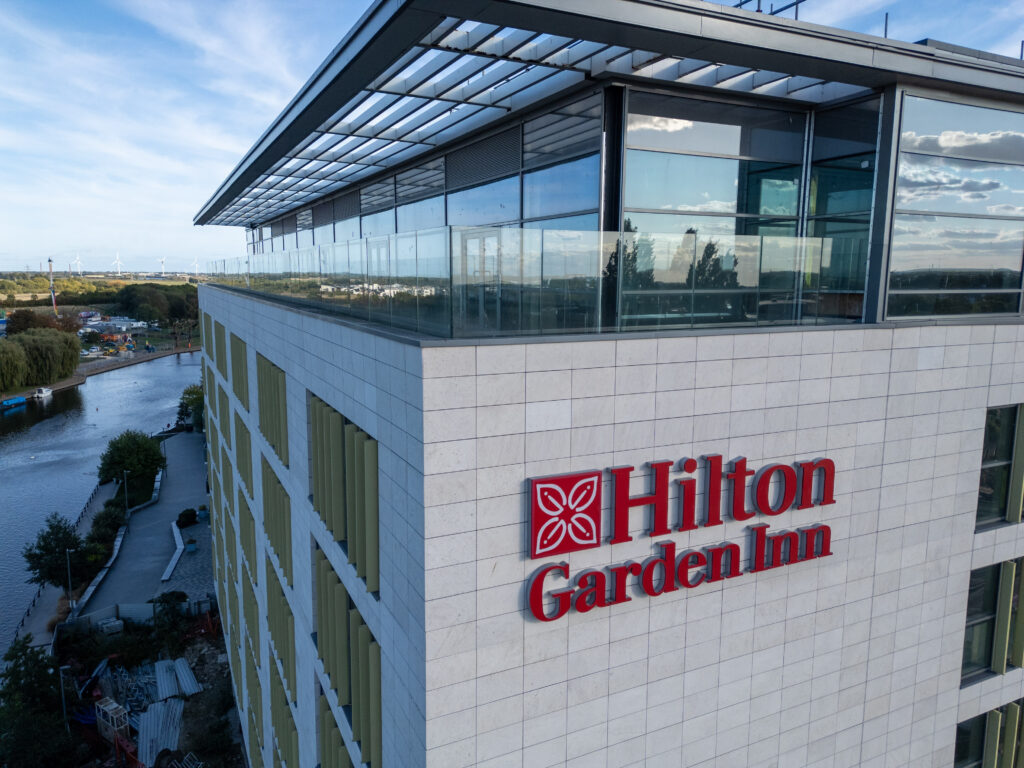
Image credit: Terry Harris
According to the minutes, councillors were explicitly reassured that: “If the current deal collapsed, the council would retain the value of the land.”
They were told that even in failure, the council could find an alternative partner to complete the hotel.
Confidence was high. The minutes record the assertion that: “The Fletton Quays site was being delivered quicker and better than anticipated.”
There was no recorded dissent. The decision to approve the loan passed unanimously.
What the business case promised
The formal Cabinet report repeated the same core message in writing.
It stated plainly: “The security at all times exceeds the loan.”
The £15 million facility was expected to be:
- Drawn down in stages
- Repaid once the hotel opened and refinanced
- Or recovered through the value of land and construction works if the developer defaulted
External advisers were cited as providing comfort:
- Gerald Eve LLP concluded the hotel was feasible and well suited to the city centre market
- Grant Thornton carried out financial due diligence
- Pinsent Masons provided legal advice
Councillors were told there were no adverse findings and no identified deal‑breaking risks.
What the administrators now say
In their statutory progress report, administrators from Teneo Financial Advisory paint a far more cautious picture.
They confirm that:
- Peterborough City Council is the first‑ranking secured creditor
- The council was owed approximately £17 million when the company entered administration
- Interest continues to accrue
But the administrators’ key assessment is blunt: “It is not expected that sufficient funds will be realised to repay PCC in full.”
That sentence appears repeatedly in effect, if not in exact words, throughout the report. The administrators provide no estimate of how much the council will actually recover.
Everything now depends on the sale of the hotel.
The sale that collapsed – and costs that followed
The administrators confirm that a sale process was underway but failed: “Heads of terms had been agreed with a third‑party purchaser… [who] reneged and withdrew from the transaction.”
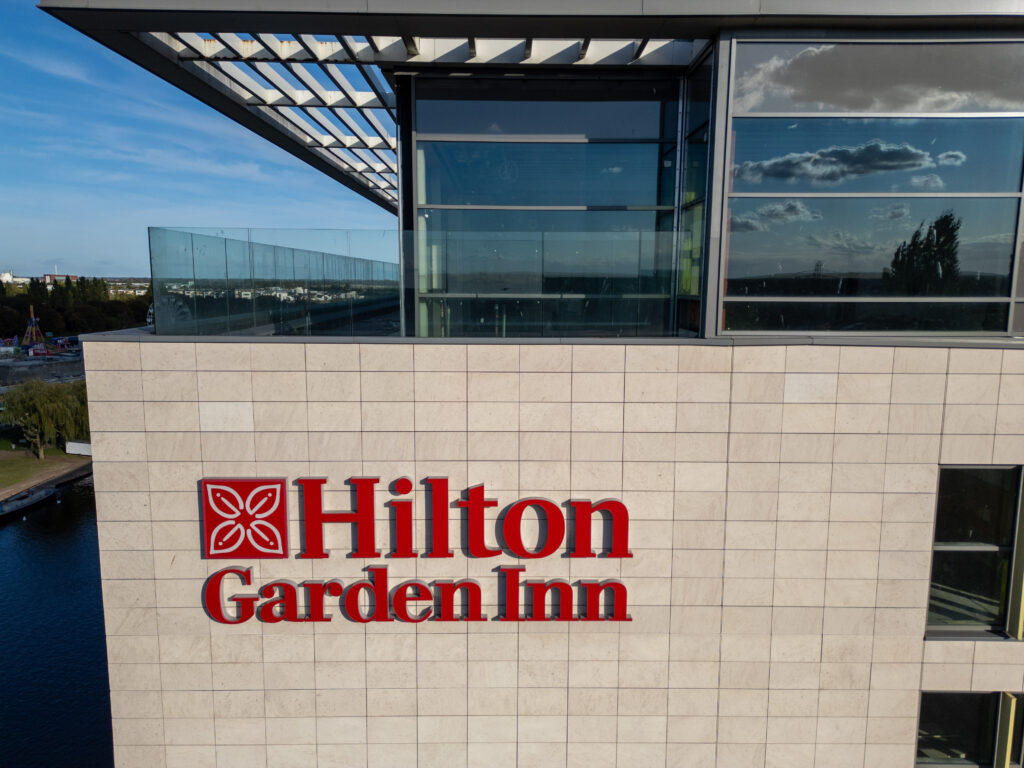
That collapse in late 2024 left the site unsold, unsecured, and expensive to maintain.
They record that:
- Permanent manned security was required to satisfy insurers
- Emergency remedial works were needed
- Property holding costs mounted over months
Only in September 2025 did the council approve a change in strategy, backing an open‑market sale led by CBRE.
At the time of the latest report, the site remains unsold although optimism is higher that a sale is imminent.
The £5 million inter‑company debt: an asset that vanished
One of the most revealing — and least visible — elements of the collapse concerns a figure that initially appeared to offer protection against loss: a £4.9 million inter‑company debt.
At the start of administration, the hotel company’s statement of affairs showed it was owed this sum by other companies in the same corporate group.
The administrators state: “The director’s statement of affairs shows intercompany debtors… owing to the company in the sum of c.£4.9m.”
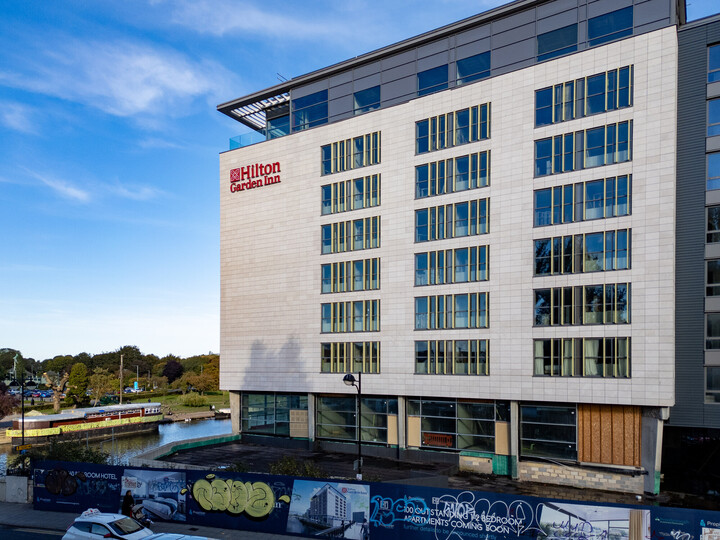
Image credit: Terry Harris
On paper, this suggested a significant asset that might materially reduce losses to the council.

In reality, it proved almost worthless.
Who owed the money
The administrators break the £4.9m down precisely:
- £4.6 million owed by Propiteer Limited and Propiteer Hotels Limited (connected group companies)
- £0.3 million owed by Fletton Quays Hotel Operations Limited, a subsidiary intended to run the hotel
Why recovery failed
The administrators instructed Pinsent Masons LLP to pursue the debts.
After legal correspondence and negotiation, the result was stark: “A settlement was agreed… totalling £380k.”
That settlement comprised:
- £80,000 upfront
- £20,000 per month over 15 months
- Temporary security over land owned by a connected company
By the administrators’ own account: “Total realisations to date [are] £380k, representing full recovery of the settlement sum.”
More than £4.2 million of the £4.6 million was never recovered.
The remaining £300,000: worth nothing
The rest fared worse.
The administrators explain: “FQHOL… holds no realisable assets, and therefore no recovery is anticipated in respect of this balance.”
This part of the debt was, in insolvency terms, effectively worthless from day one.
What this means for taxpayers
In practice:
- Claimed inter‑company debt: ~£4.9m
- Actual recovery: £380,000
- Effective write‑off: ~£4.5m
This money was never available to protect the council’s loan. Yet its presence in company accounts inflated the apparent asset position until insolvency forced reality into view.
The administrators make no allegation of wrongdoing, but their figures show that once the group structure failed, the hotel company stood largely unsupported.
Administration funded by the council Itself
With no cash in the company, administrators required funding to carry out their role.
They confirm: “PCC… provided a funding facility to the joint administrators to meet the immediate costs of securing the property… and the costs of the administration generally.”
So far:
- £1.174 million has been advanced by the council
- £620,000 already paid in administrators’ fees alone
- Total professional time costs of ~£760,000
- Overall administration and property‑related costs nearing £1 million
These costs rank ahead of loan repayment and directly reduce what the council might recover.
The directors’ own valuation: a quiet admission
Buried in the report is a striking detail.
The estimated realisable value of the hotel in the directors’ statement of affairs is recorded as nil, once secured debt is taken into account.
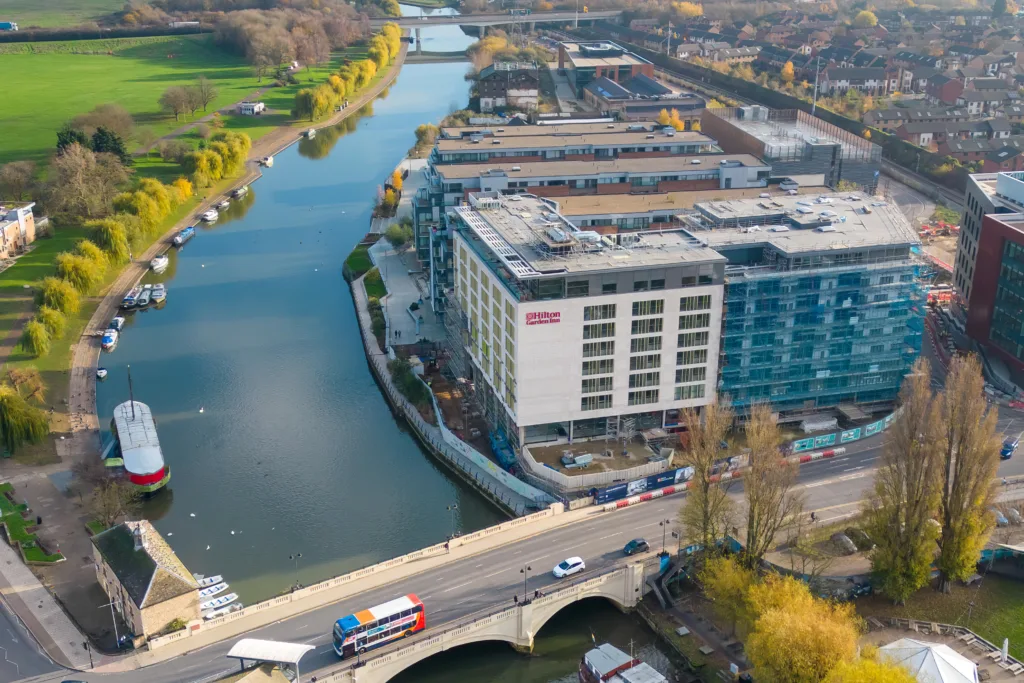
In effect, even the company’s own directors recognised that the asset might not clear the debt against it.
Where matters now stand
The administrators list the remaining tasks plainly:
- Sell the property
- Reconcile and attempt to repay PCC funding
- Pay outstanding fees
- Close the administration
They add: “The administration is currently due to end on or before 17 October 2026.”
And conclude there is unlikely to be any return for unsecured creditors.
The unavoidable contrast
In 2017, Cabinet was told:
- Security exceeded the loan
- Failure was manageable
- Risk had been mitigated
- The council could recover its money
In 2025, administrators state:
- Full repayment is not expected
- Asset values are uncertain
- Public money has funded the collapse
- A £5m internal asset largely did not exist in practice
Those are not opinions. They are statements drawn directly from Cabinet minutes and statutory insolvency reports.
A reckoning still ahead
The eventual sale of the hotel will determine the final figure.
But one conclusion is already fixed in black‑and‑white statutory language:
Peterborough City Council will not get all of its money back — and taxpayers will bear the difference.